Dragon Ball is remembered for explosive battles, iconic transformations, and villains that push the universe to its limits. Yet beneath all that spectacle lies a quieter truth: many characters never receive emotional closure. Their stories pause, shift direction, or disappear entirely, leaving wounds that are never spoken about. These silent gaps are not mistakes. They are emotional shadows that make the world feel more real. Life does not always wrap itself neatly, and Dragon Ball mirrors that uncomfortable reality. Some characters survive their arcs, but survival is not the same as healing.
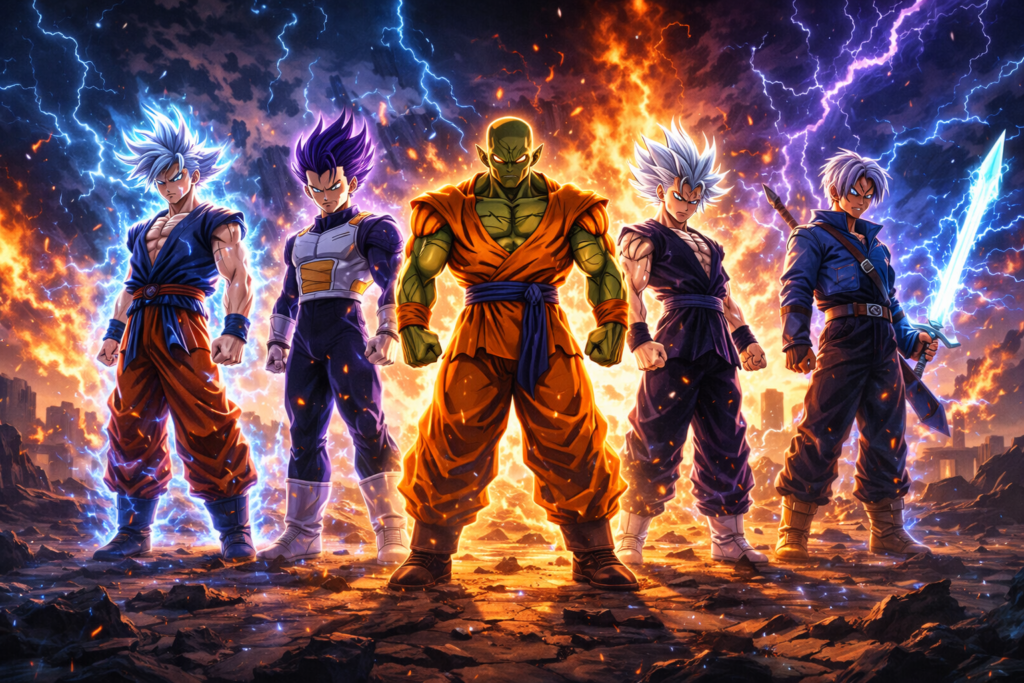
The series moves quickly, always chasing the next threat, the next tournament, the next cosmic disaster. In that speed, personal endings are often sacrificed. Trauma is buried under training. Regret is hidden behind pride. Relationships freeze in unfinished states. Fans celebrate victories, but rarely ask what those victories cost the people who lived through them. When the camera shifts to the next arc, emotional conversations are left behind. These unfinished stories linger in the background like echoes. They remind us that Dragon Ball is not only about power. It is about people carrying unresolved histories while pretending everything is fine. That tension gives the series a deeper emotional weight than it first appears.
Piccolo: A Life Built From Someone Else’s Hatred
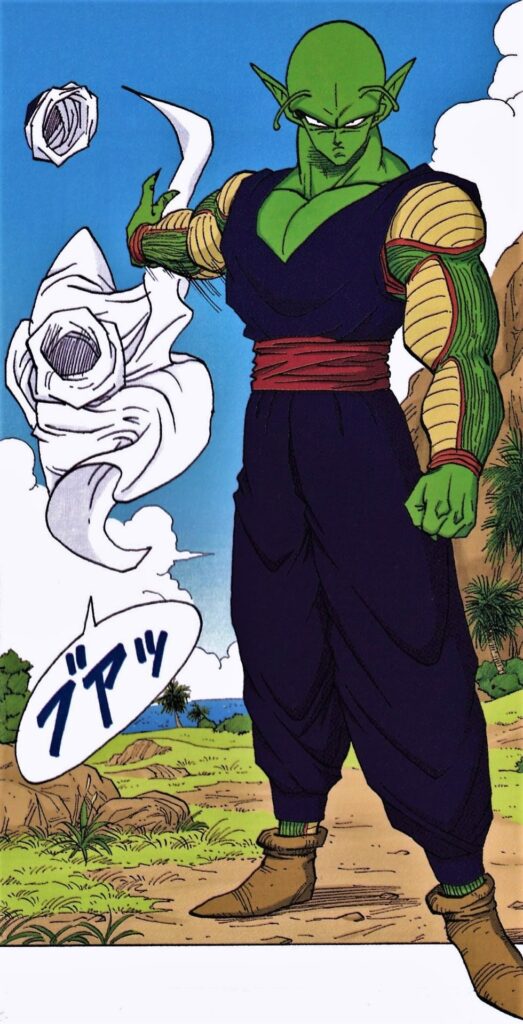
No character embodies unfinished identity more than Piccolo. Piccolo is born from revenge. He is the reincarnation of a demon king, yet he grows into a protector of Earth. That transformation is powerful, but it never fully resolves the question of who he believes he is. The series shows his evolution from enemy to ally, but it rarely explores what it feels like to live as the echo of another being’s hatred. Piccolo does not just defeat his past. He carries it silently.
His bond with Gohan becomes his emotional anchor, yet even that relationship never receives a true moment of closure. Piccolo becomes a father figure without claiming the title. He sacrifices himself, returns, and continues fighting, but the emotional acknowledgment of what he means to Gohan remains mostly unspoken. Their connection exists in action, not conversation. That silence defines Piccolo’s life. He expresses love through protection and discipline, never through words. The absence of verbal closure is not weakness. It is the tragedy of a character who learned connection after being born from isolation.
Piccolo’s quiet presence in later arcs feels almost ghostlike. He is always there, always watching, always ready, yet rarely centered. His story does not end. It fades into the background. That fading is its own kind of unresolved ending. He becomes a guardian without a personal destination, a warrior who gave up revenge but never fully replaced it with peace.
Future Trunks: Victory Without a Home
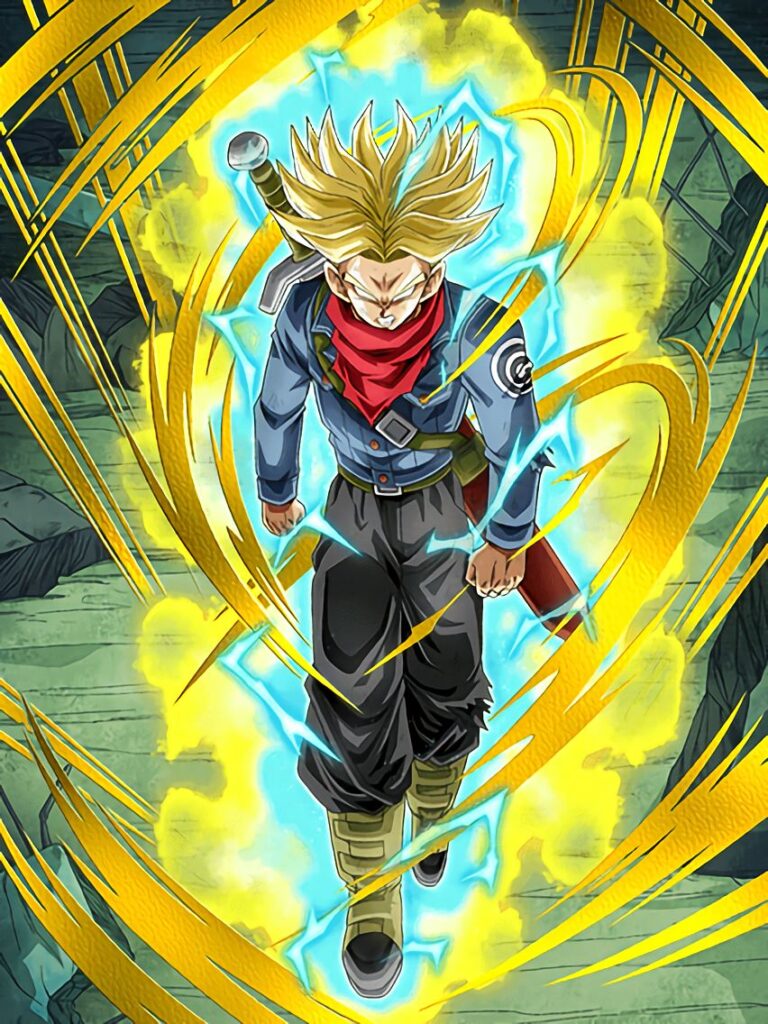
Few stories in Dragon Ball are as emotionally devastating as that of Future Trunks. He fights not for glory but for survival. His timeline is broken, his childhood stolen by constant fear. When he travels to the past, he carries the weight of an entire ruined world. The heroes help him defeat the androids, and later threats, but his emotional closure is never complete. Saving a timeline does not erase the years he spent watching everything collapse.
Future Trunks returns to a world that can never match the hope he briefly experienced in the past. He has seen a version of life filled with laughter and support, and he must go back to rebuilding alone. The series treats his victories as triumphant, yet psychologically they are bittersweet. He wins battles, but he cannot reclaim the childhood he lost or the peace he glimpsed. That contrast becomes his silent burden.
His final departures feel abrupt, almost cruel in their realism. There is no long celebration, no extended healing. He leaves, carrying gratitude and grief in equal measure. Trunks is a hero defined by survival rather than fulfillment. His story asks a painful question: what happens after you save the world, but the world you return to still feels empty? Dragon Ball never answers that question directly. It leaves it hanging, and that silence becomes part of his character.
Vegeta: Redemption Without Forgiveness
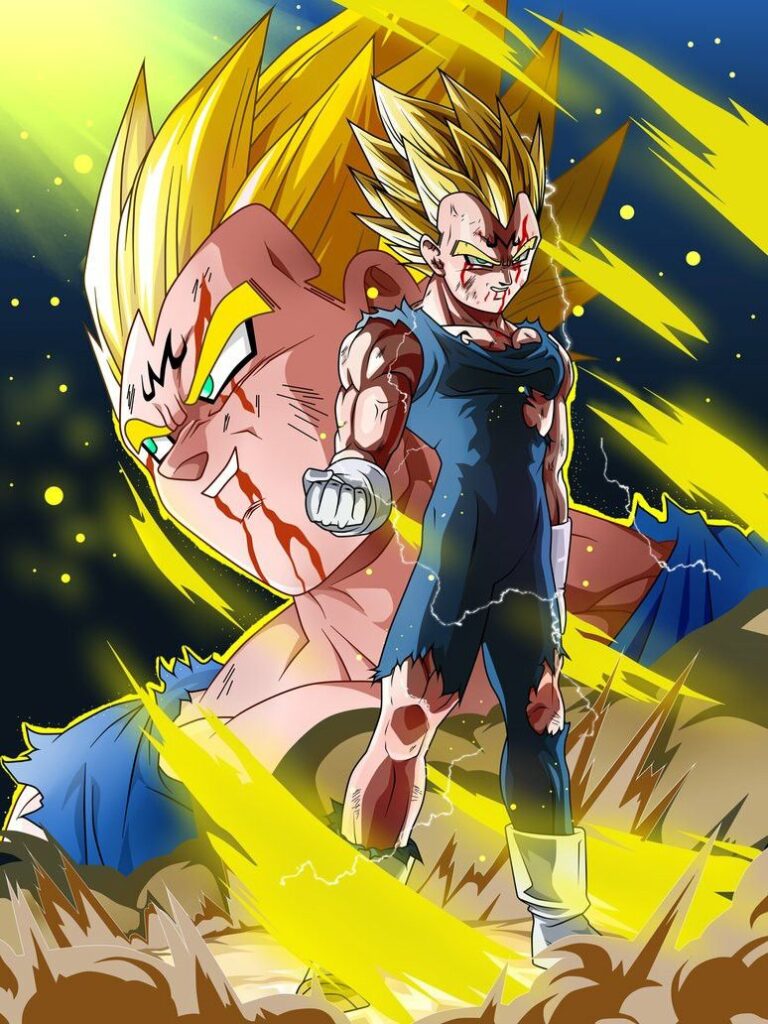
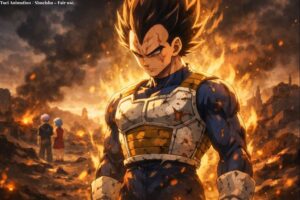
Vegeta is often praised for his redemption arc, but redemption does not automatically equal forgiveness. Vegeta changes sides. He protects Earth. He becomes a father. Yet the lives he destroyed before arriving on the planet are never addressed in a meaningful way. The universe moves forward, but his past remains untouched. This creates a fascinating emotional contradiction. Vegeta is accepted by his allies, yet the ghosts of his former self are never fully confronted.
His pride evolves, but guilt lingers beneath it. The series hints at this during moments of self-sacrifice, when Vegeta acts with a desperation that feels like penance. He is not just fighting enemies. He is fighting the version of himself he cannot erase. However, Dragon Ball avoids giving him a clear emotional reckoning. There is no trial, no confession, no scene where he speaks openly about what he regrets. His redemption happens through action alone.
That absence of verbal closure keeps Vegeta emotionally suspended between two identities. He is both protector and former conqueror. The tension between those roles is never resolved, and perhaps it cannot be. Vegeta lives in the space between pride and remorse, constantly proving he has changed without ever hearing the words that might free him from his past.
The Supporting Cast: Lives Left Mid-Sentence
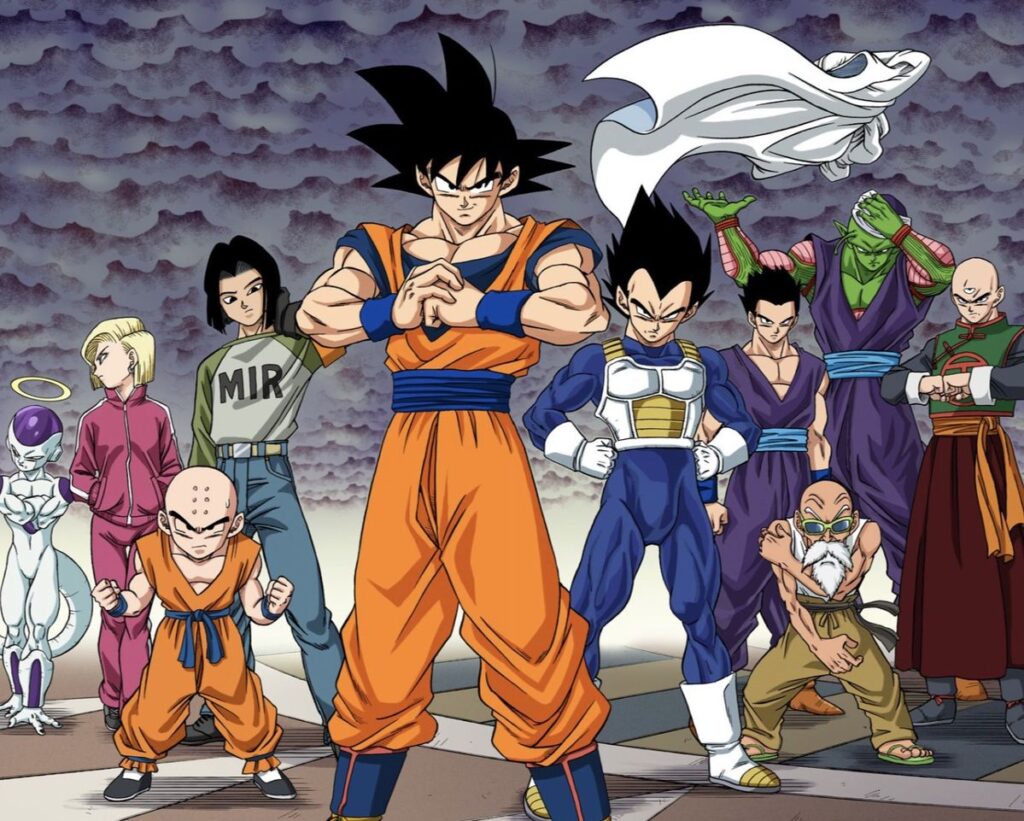
Dragon Ball side characters carry their own unfinished stories. Fighters like Krillin, Tien, and Yamcha slowly drift from the spotlight, not because they stop caring, but because the scale of threats outgrows them. Their emotional journeys shift from ambition to acceptance, yet the series rarely pauses to examine what that transition feels like. Stepping away from the front lines is a form of closure that never receives a proper farewell.
For characters like Bulma, life continues in quieter ways, but even her genius and resilience are framed around supporting others. The supporting cast becomes the emotional infrastructure of the series, holding the world together while their personal arcs freeze. Their dreams do not disappear. They simply stop being narrated. This silence mirrors real life, where not every story gets a grand finale.
These characters remind us that Dragon Ball is a world larger than its main battles. People grow older. Priorities shift. Some ambitions fade without ceremony. The lack of explicit closure does not erase their importance. Instead, it highlights a subtle truth: not every meaningful life is defined by a final scene. Some stories continue off-screen, unfinished but still alive.
Final Thoughts: Why Unfinished Stories Matter
The silent stories of Dragon Ball are not flaws. They are emotional textures that give the universe depth. Characters without closure feel real because real life rarely offers perfect endings. Piccolo’s identity remains layered, Trunks carries a future shaped by loss, Vegeta walks with unspoken guilt, and the supporting cast lives beyond the spotlight. These unfinished arcs create a world that feels lived in rather than scripted.
Dragon Ball greatest strength may be its willingness to leave certain emotions unresolved. The absence of closure invites reflection. Fans continue discussing these characters not because their stories ended cleanly, but because they did not. The silence becomes a space where imagination fills the gaps. And in that space, the characters keep growing long after the episode ends.