Fusion has always been one of the most exciting concepts in Dragon Ball. When two fighters combine into one being, the result is usually stronger, faster, and more unpredictable than anyone expects. But not all fusions work the same way.
There are two main fusion types in Dragon Ball: Potara fusion and Metamoran fusion. At first glance, they may seem similar. Two characters merge and create a powerful warrior. But when you look closely, the rules, risks, and long term effects are very different.
If you have ever wondered which fusion is stronger, which lasts longer, or which one is more reliable, this guide explains everything clearly.
What Is Potara Fusion
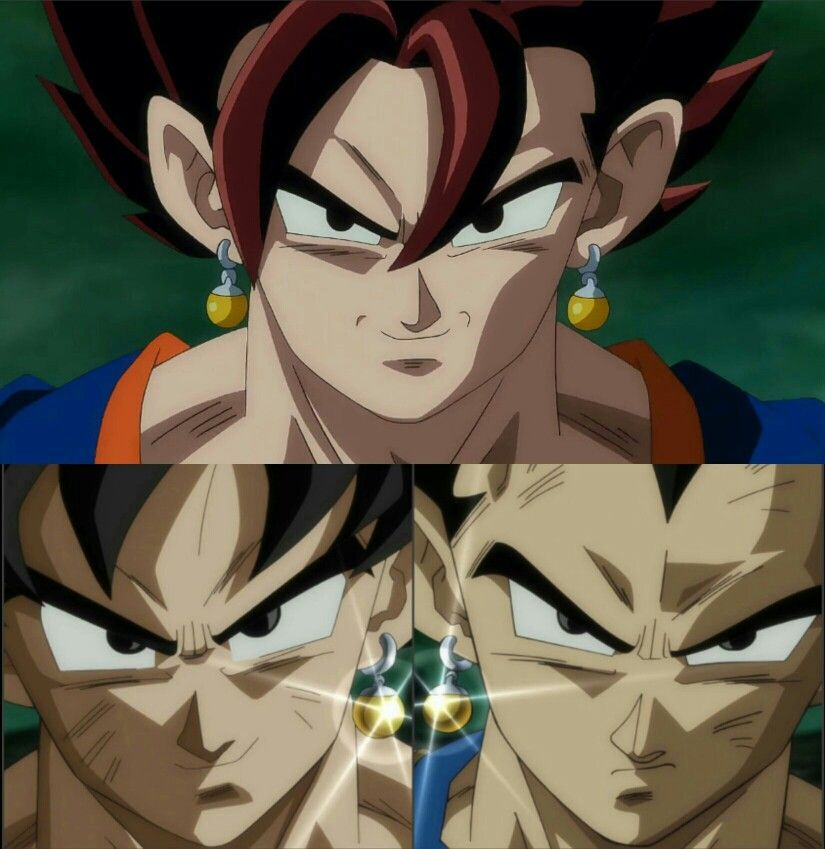
Potara fusion uses special earrings worn by the Supreme Kais. When two individuals each wear one earring on opposite ears, they instantly merge into a single being.
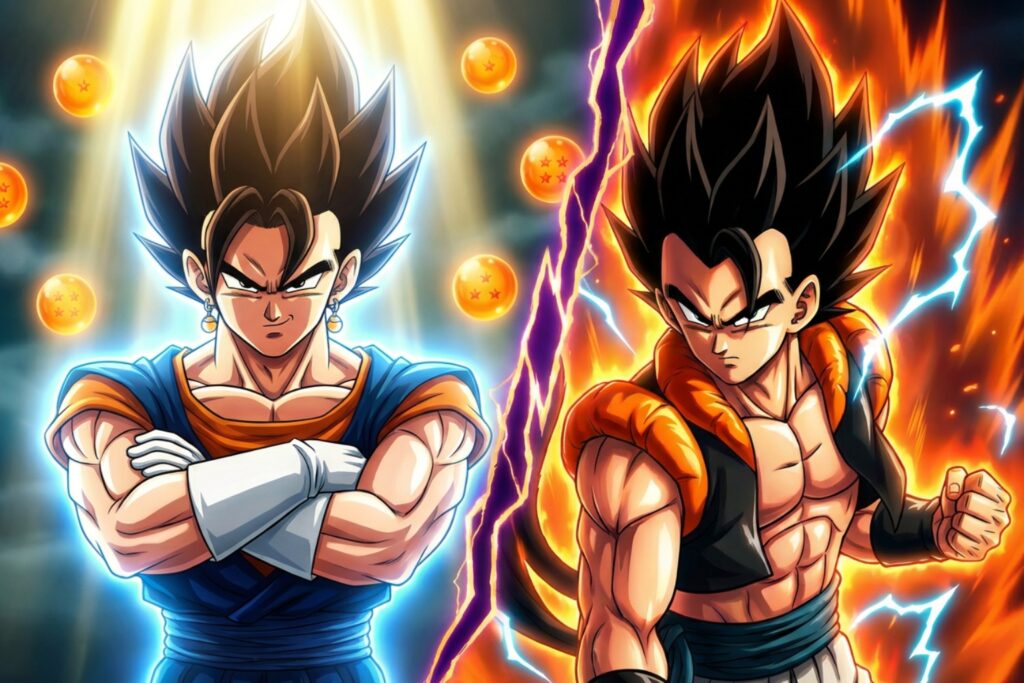
This method first appeared during the fight against Majin Buu. Goku and Vegeta fused into Vegito using Potara earrings.
Unlike the fusion dance, Potara fusion does not require matching power levels or performing a synchronized pose. The merge happens immediately after the earrings are worn.
Originally, Potara fusion was described as permanent. However, later arcs clarified that the fusion has time limits under certain conditions.
What Is Metamoran Fusion
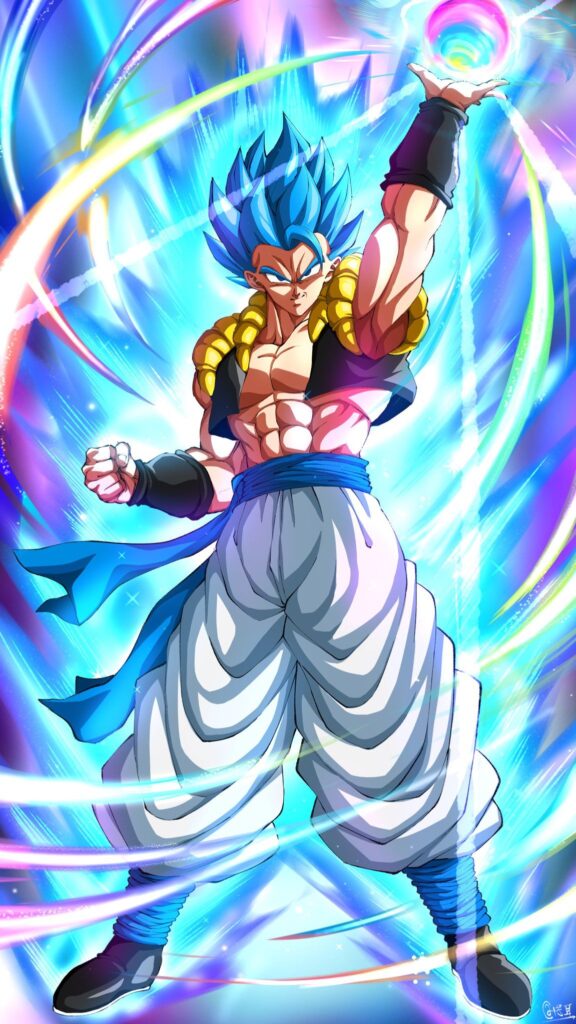
Metamoran fusion, often called the Fusion Dance, was introduced earlier in the series. It requires two fighters to perform a precise synchronized dance. Their power levels must be balanced for the fusion to work correctly.
When performed successfully, the two characters merge into one being for a limited time. Goten and Trunks used this method to become Gotenks. Later, Goku and Vegeta used the dance to form Gogeta.
This fusion method requires precision. If the movements are slightly off, the result can be weak or unstable. We have seen failed fusions that look physically incorrect or have drastically reduced power.
Key Differences Between Potara and Metamoran
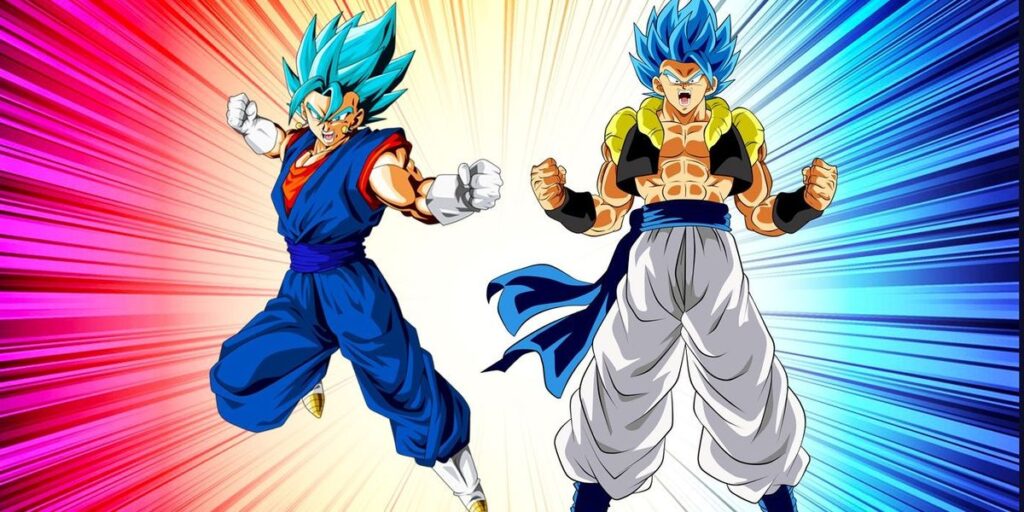
The biggest differences come down to activation method, time limit, and reliability.
Potara fusion activates instantly. There is no need for practice or equal power levels. It is straightforward but depends on access to the earrings.
Metamoran fusion requires coordination. It demands focus, training, and equal energy levels. However, it does not rely on divine artifacts.
Another major difference is duration. Metamoran fusion typically lasts thirty minutes. Potara fusion was once believed to be permanent, but it now has limits when used by mortals. In certain high energy battles, the fusion can end early.
Which Fusion Is Stronger
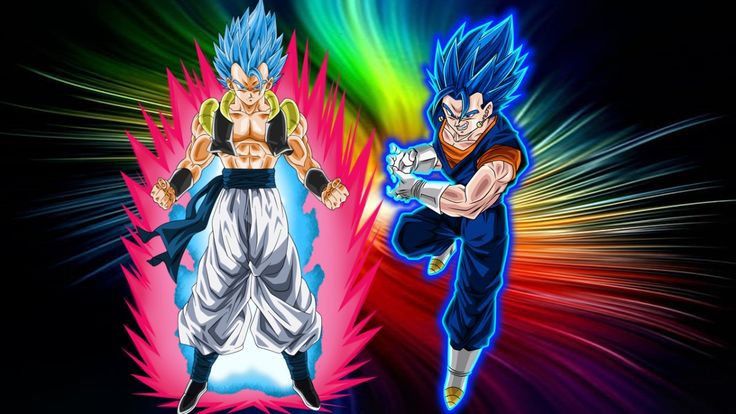
This question has sparked debates for years.
Based on what has been shown in the series, both fusions produce extremely powerful warriors. Vegito and Gogeta have each demonstrated overwhelming strength in their respective battles.
In my opinion, the strength difference is less about the method and more about context. The characters involved, their current power levels, and the situation matter more than the fusion type itself.
Some sources within the series suggest Potara may provide a slightly stronger boost. However, in practical combat, both forms have shown comparable dominance.
Time Limits and Stability
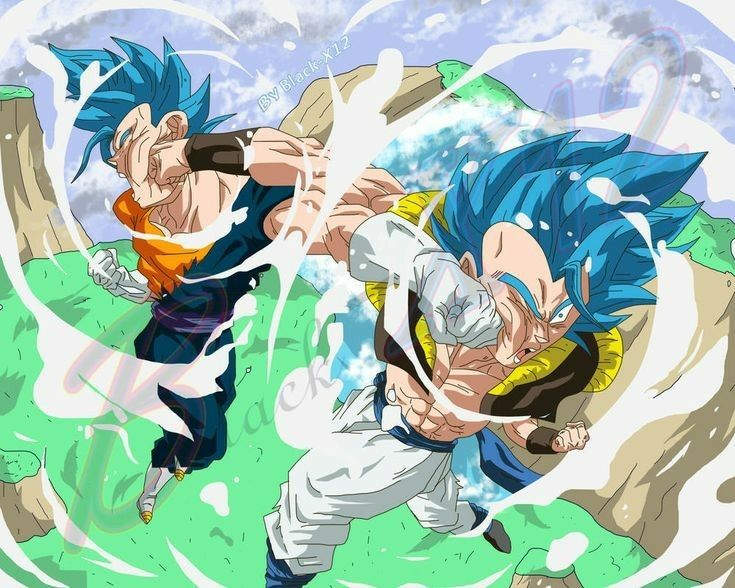
Time limits are one of the most important practical differences.
Metamoran fusion has a fixed duration. It typically lasts thirty minutes unless excessive energy drains it faster.
Potara fusion does not require a dance, but high energy output can reduce its duration for mortal users. This became clear during intense battles where the fusion ended earlier than expected.
From what I have seen, Metamoran fusion feels more predictable. You know roughly how long it will last. Potara can sometimes behave unpredictably under extreme strain.
Risks and Weaknesses
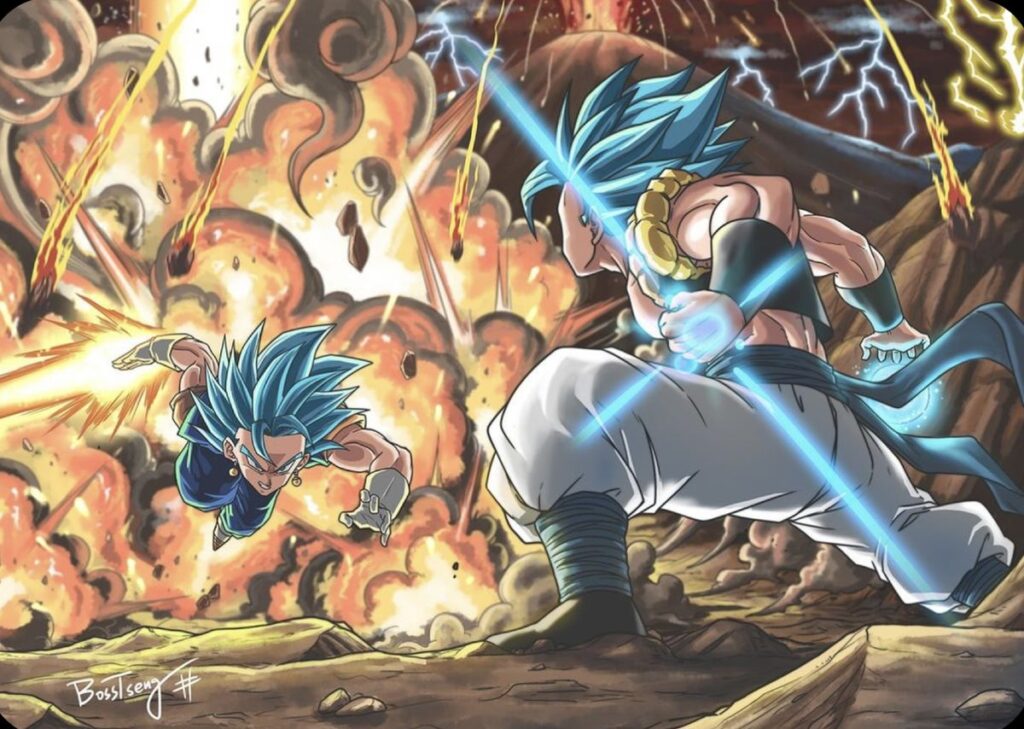
Metamoran fusion carries the risk of failure during the dance. If the timing is incorrect, the result may be weak or even comical. This adds tension but also vulnerability.
Potara fusion has fewer activation risks. However, it depends on having the earrings available. Without them, the fusion cannot happen.
Another consideration is separation. Potara was once believed to be permanent, which created ethical concerns. Later clarifications resolved this issue for mortal users.
Tactical Advantages
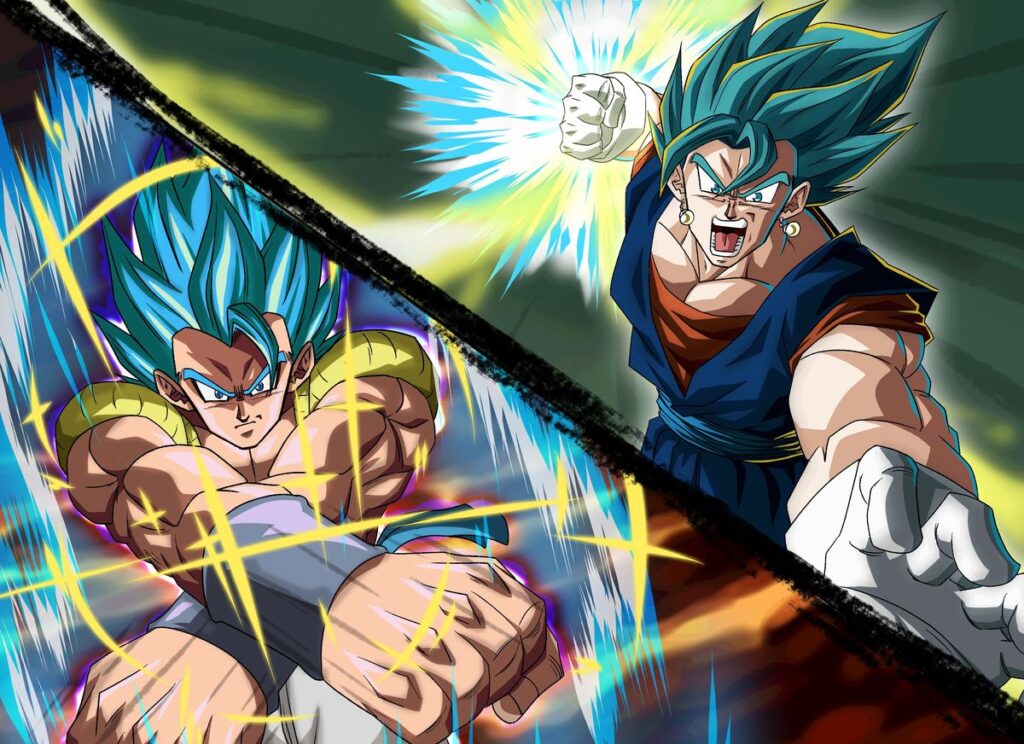
Metamoran fusion allows flexibility. If the fusion ends, the characters can potentially perform the dance again after recovery.
Potara fusion may not always allow repeated usage depending on the circumstances and available earrings.
In high speed combat situations, instant activation can be a major advantage. Potara wins in that category.
In situations where planning and coordination are possible, the fusion dance works just as effectively.
Why Both Methods Exist
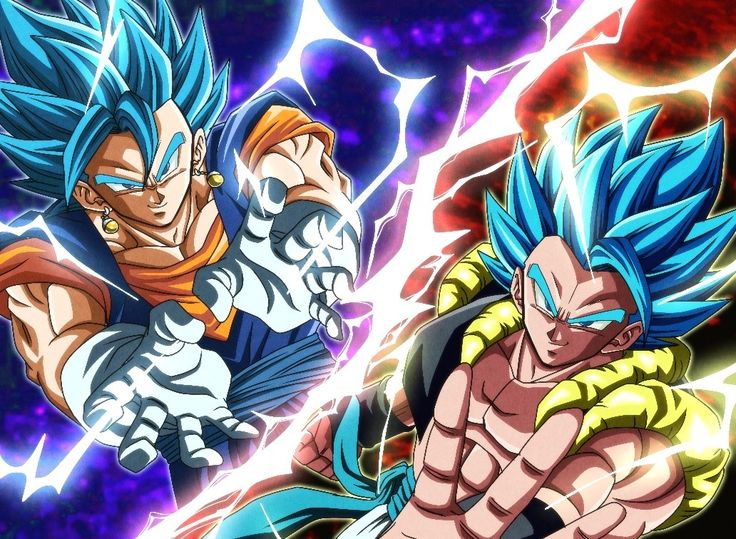
Dragon Ball rarely introduces mechanics without narrative purpose.
Metamoran fusion represents discipline and coordination. It requires teamwork and precision. The dance symbolizes balance.
Potara fusion represents divine intervention and higher authority. It connects mortals with god level tools.
Each method fits the tone of its arc. One emphasizes martial arts harmony. The other emphasizes cosmic power.
Frequently Asked Questions
Is Potara fusion permanent?
For Supreme Kais, it is permanent. For mortals, it has time limits depending on energy use.
How long does Metamoran fusion last?
Typically thirty minutes, though high energy usage can shorten that duration.
Is Gogeta stronger than Vegito?
Both have shown immense power. The difference often depends on story context rather than strict numerical superiority.
Can fusion be used repeatedly?
Metamoran fusion can be repeated after separation. Potara fusion depends on the availability of earrings.
Final Verdict
Potara fusion and Metamoran fusion are not simply two different techniques. They represent two philosophies within Dragon Ball. One is divine and immediate. The other is disciplined and earned.
Both produce legendary warriors. Both carry limitations. And both have shaped some of the most iconic battles in the franchise. If you ask which one is better, the honest answer is simple. It depends on the situation. And that balance is exactly why fusion remains one of Dragon Ball’s most powerful storytelling tools.