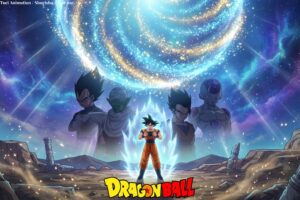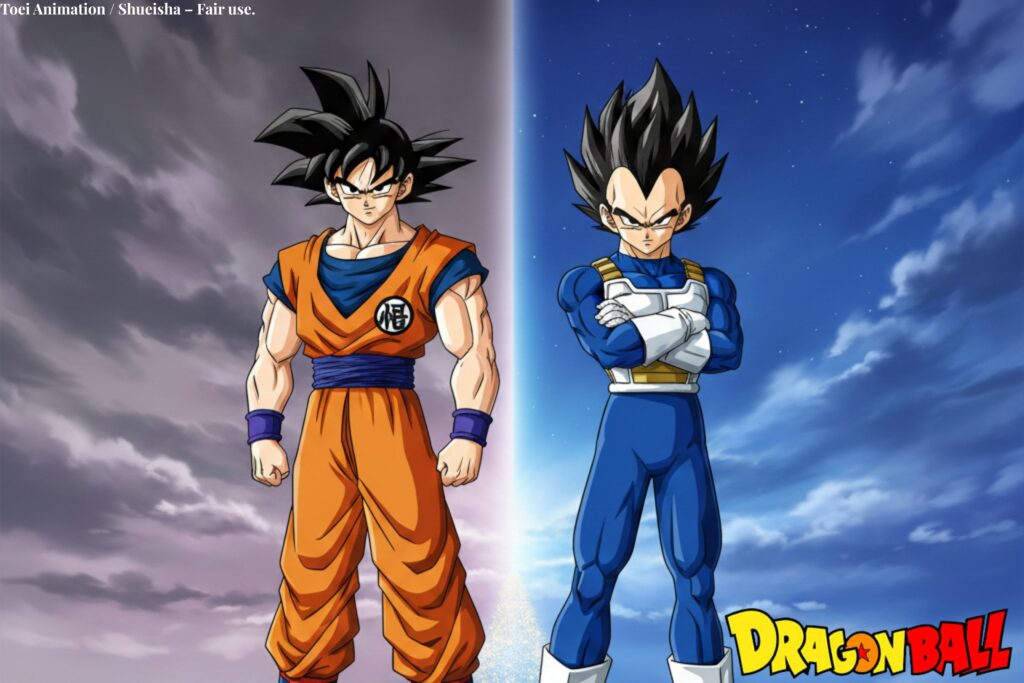
The question “is Dragon Ball Super finished?” has become one of the most searched and debated topics among Dragon Ball fans and that for good reason. On the surface, it feels like Dragon Ball Super has gone quiet. There’s no weekly anime, no clear broadcast schedule, and long gaps between major announcements. For a franchise known for constant momentum, that silence naturally sparks concern. But this truth is far more layered than a simple yes or no.
Officially, Dragon Ball Super as an anime is currently inactive, but Dragon Ball Super as a story is not finished. The manga has continued beyond where the anime stopped, expanding the timeline with major arcs that significantly change the status quo. This distinction matters. Dragon Ball Super was never meant to exist in just one format. Its anime and manga have always followed parallel—but not identical—paths.
What makes the confusion worse is the rise of new Dragon Ball projects, especially Dragon Ball Daima. For some fans, Daima feels like a replacement. For others, it feels like a detour. In reality, it’s neither. Dragon Ball Super isn’t finished—it’s paused in one form while continuing and evolving in others.
The Current Status of the Dragon Ball Super Anime
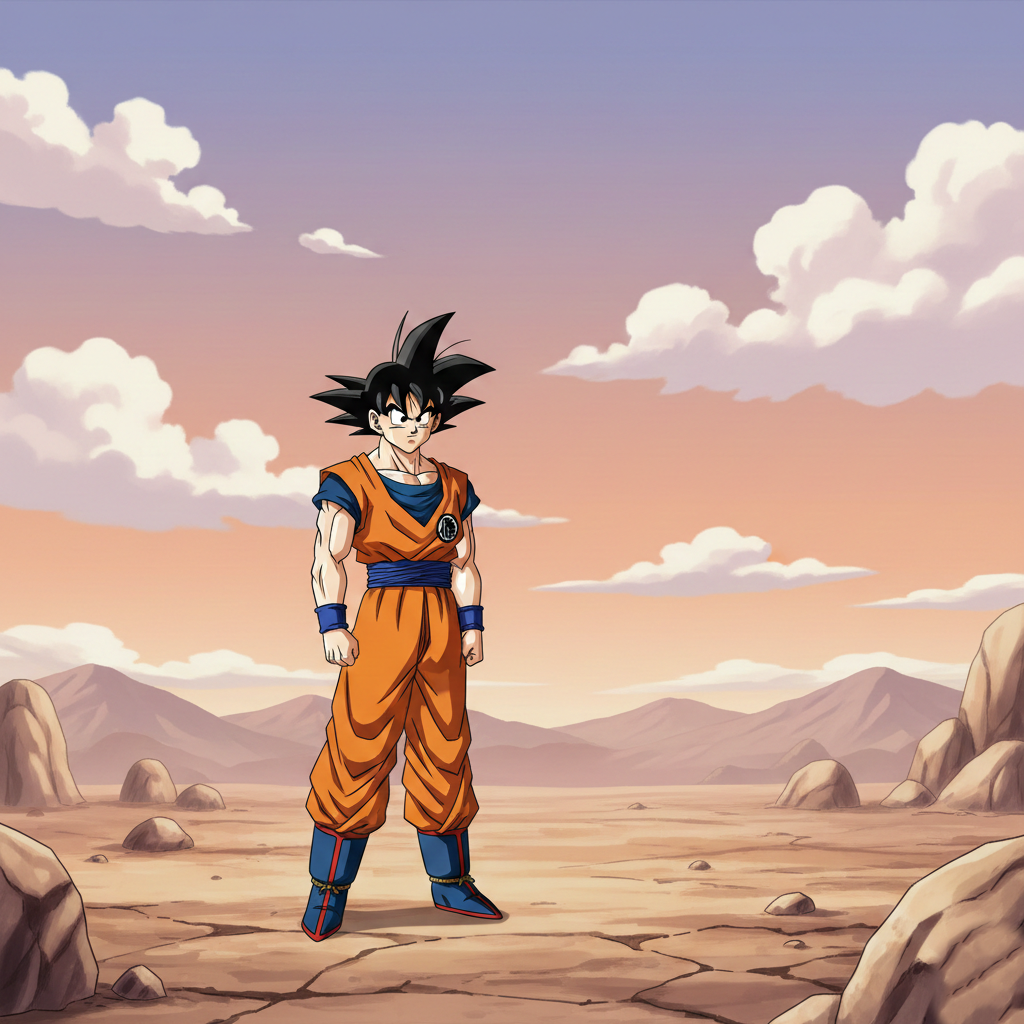
From an anime perspective, Dragon Ball Super has been on hold since the end of the Tournament of Power arc. That gap has grown long enough that many fans understandably assume the series is over. But there has never been an official statement declaring the Dragon Ball Super anime cancelled or completed. Instead, it exists in a state of dormancy—waiting.
Historically, Dragon Ball anime has always been strategic with its returns. Long pauses are not unusual, especially when the manga needs time to move ahead or when the studio shifts focus to films. This exact pattern happened before, and Super follows it closely. The absence of weekly episodes doesn’t signal an ending—it signals timing.
Another important factor is quality control. Dragon Ball Super’s later anime arcs showed noticeable improvements in animation, storytelling, and pacing. Rushing a return without proper preparation would undermine that progress. The silence, while frustrating, suggests planning rather than abandonment.
Dragon Ball Super Manga: Proof the Story Isn’t Over
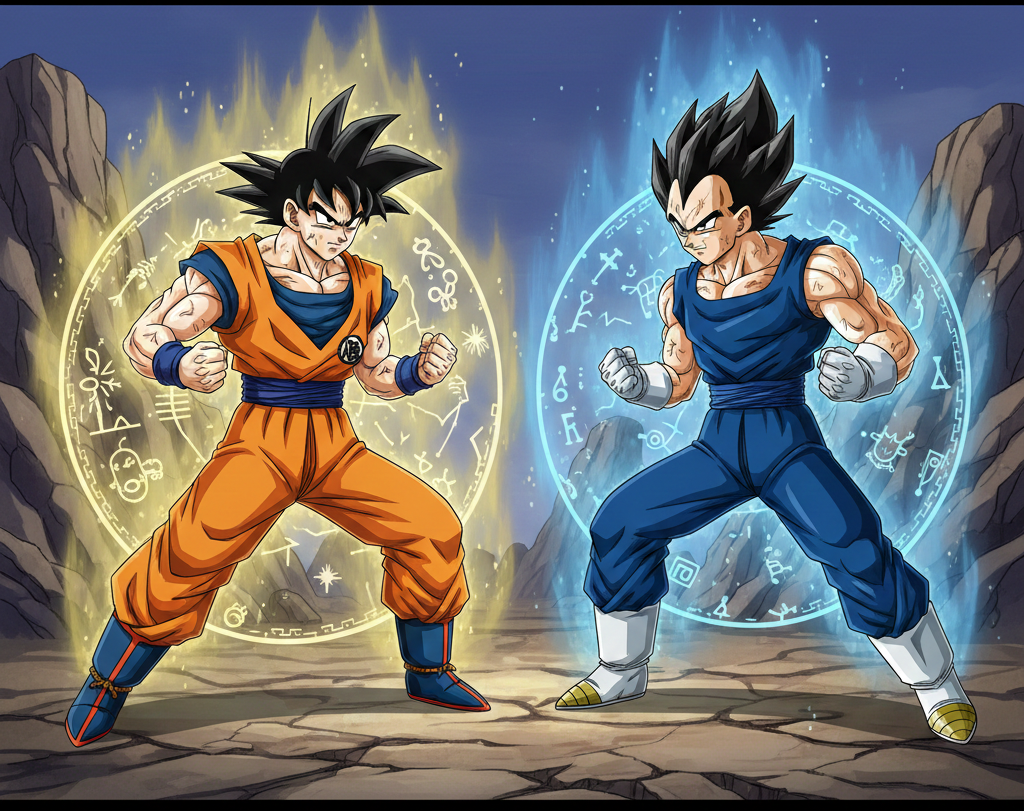
While the anime is quiet, the Dragon Ball Super has been actively expanding the universe. The manga continued with major arcs that push Goku and Vegeta far beyond the Tournament of Power, introducing new enemies, new philosophies of power, and lasting consequences. These arcs are not filler—they are core Dragon Ball canon.
The manga has also adapted the Dragon Ball Super: Super Hero storyline, officially locking it into the Super timeline. This alone proves that Dragon Ball Super is still considered an active continuity. A finished series doesn’t keep rewriting and expanding its future.
More importantly, the manga sets up long-term ideas that feel unfinished by design. Power hierarchies shift, character roles evolve, and unresolved tensions remain. This is not the structure of a story reaching its end—it’s the structure of one preparing for another phase.
Where Dragon Ball Daima Fits Into All of This
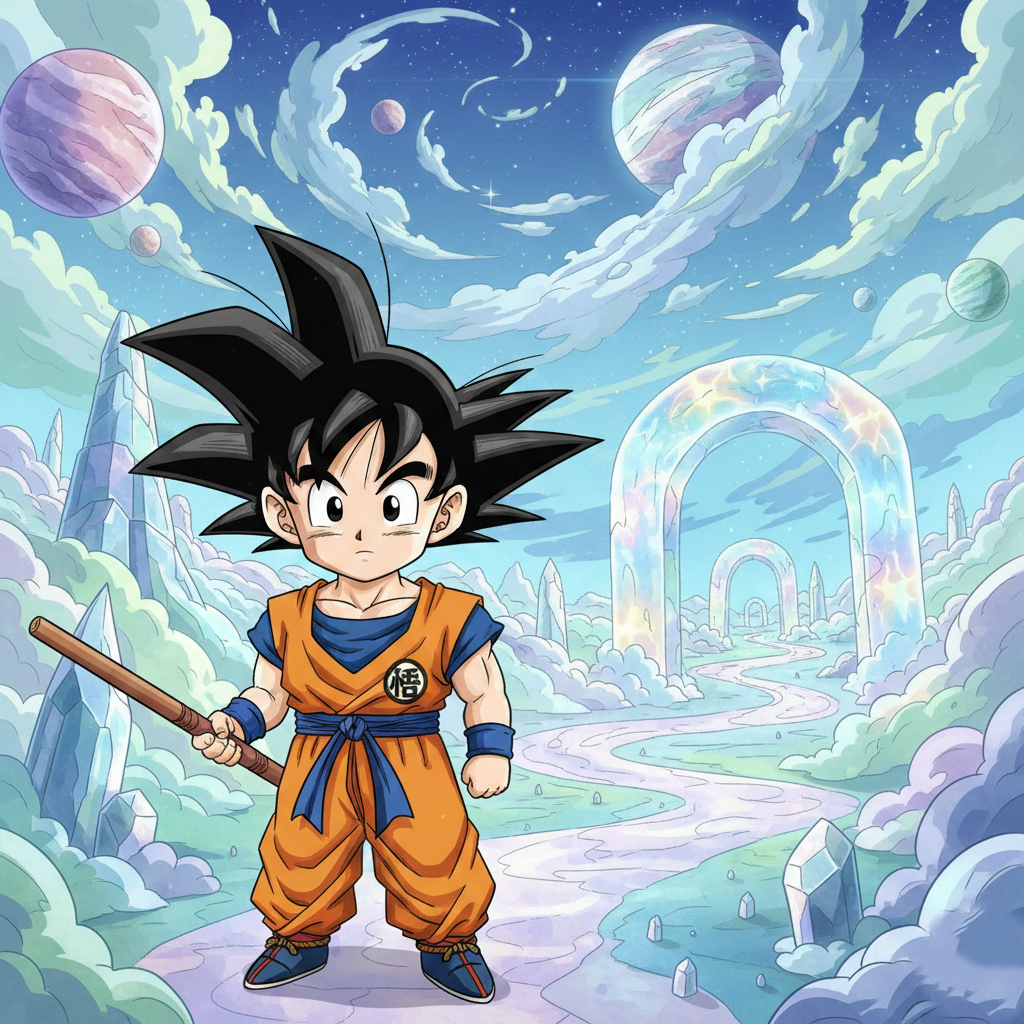
The introduction of Dragon Ball Daima has caused the most confusion. Because it’s a brand-new anime with heavy involvement from Akira Toriyama, some fans assumed it replaced Dragon Ball Super entirely. That assumption doesn’t hold up when you look closely at Daima’s concept.
Daima is a separate project, designed to explore different themes—identity, form, and origins—without closing the door on Super. It doesn’t erase Dragon Ball Super’s timeline, nor does it conclude it. Instead, it exists alongside it, much like movies and specials have in the past.
In fact, Daima may be buying time for Dragon Ball Super rather than ending it. By shifting focus temporarily, the franchise avoids rushing Super’s anime return while keeping Dragon Ball active and relevant.
So, Is Dragon Ball Super Finished or Just on Hold?
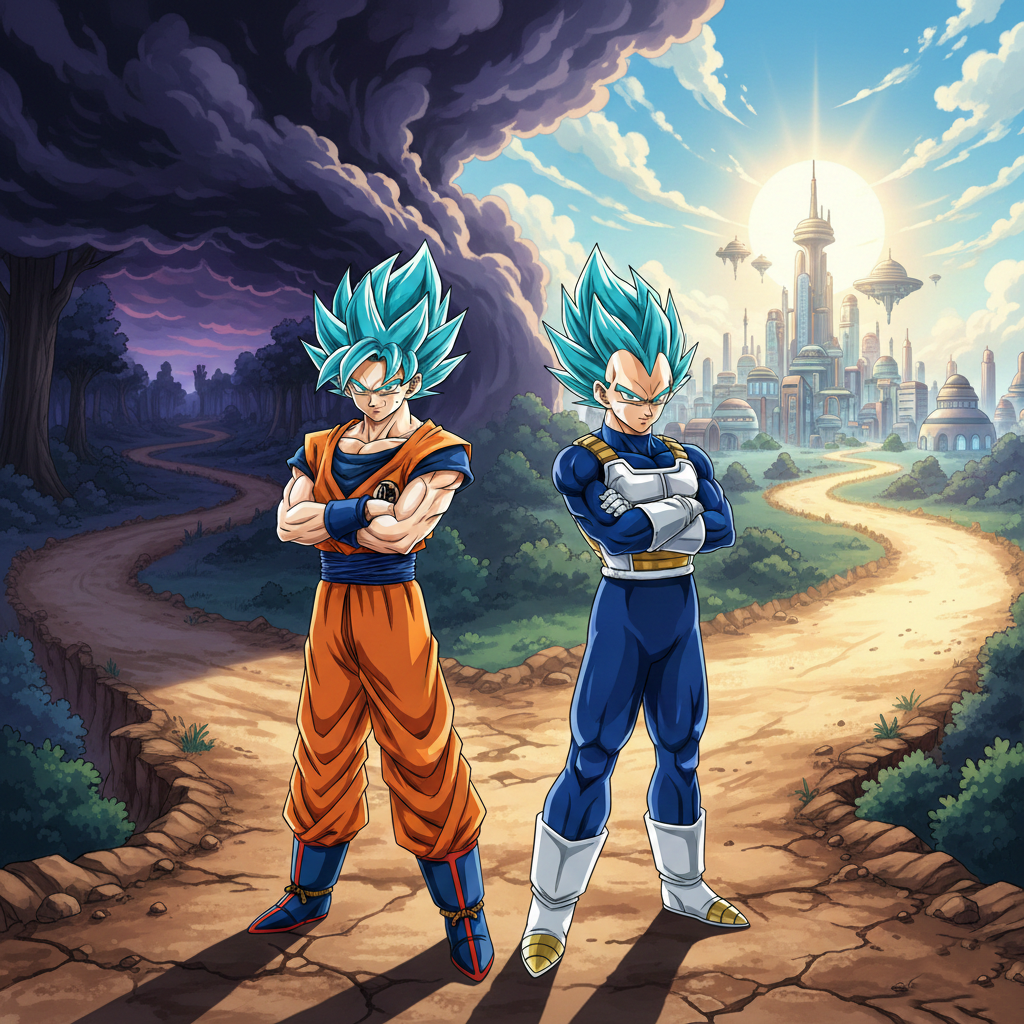
The clearest answer is this:
Dragon Ball Super is not finished—but it is not currently active as an anime.
The story continues in the manga, the timeline continues through Super Hero, and the franchise continues to experiment through Dragon Ball Daima. Nothing about this structure suggests a permanent ending. Dragon Ball has always evolved in waves, not straight lines.
For fans, this means patience is required—but hope is justified. Dragon Ball Super still has unresolved stories, unexplored power paths, and characters far from their final forms. A finished series doesn’t leave this much potential on the table.
Dragon Ball Super isn’t over. It’s waiting for the right moment to move forward again.