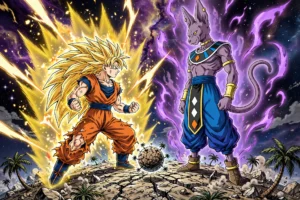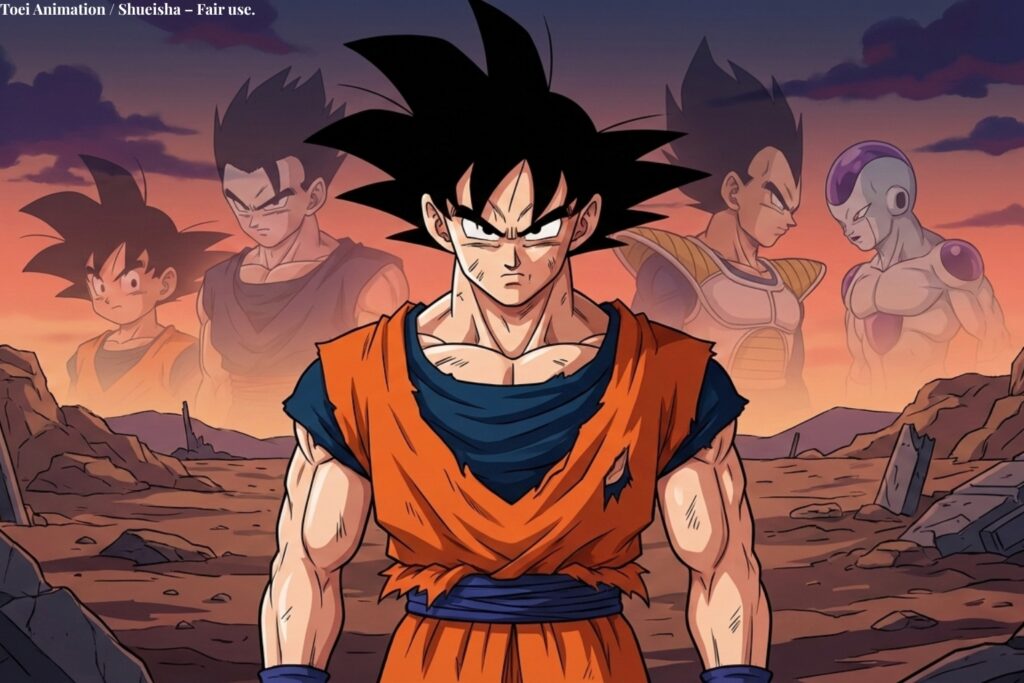
If you’ve noticed dragon ball devolution suddenly trending on Google, you’re not alone. Longtime Dragon Ball fans are rediscovering a project that once quietly lived on the edges of the fandom—and realizing just how powerful it still is. Dragon Ball Devolution isn’t an official anime or manga, yet it continues to spark discussion years after its release. The reason is simple: it dares to ask a question most Dragon Ball stories avoid—what if power wasn’t the answer anymore?
Dragon Ball Devolution is a fan-made manga created by Salagir, built as a darker, more reflective take on the Dragon Ball universe. Instead of endless transformations and power escalation, Devolution focuses on consequence, fatigue, and the emotional cost of constant fighting. It strips Dragon Ball down to its core and examines what decades of battles would realistically do to its characters. That alone makes it stand out in a franchise built on growth through combat.
What’s fascinating is why Devolution is trending now. As modern Dragon Ball explores new directions through Dragon Ball Super and identity-driven projects like Dragon Ball Daima, fans are becoming more open to introspective storytelling. Dragon Ball Devolution suddenly feels relevant again—not because it’s canon, but because its themes align with where the franchise is emotionally headed.
What Is Dragon Ball Devolution? A Simple Explanation
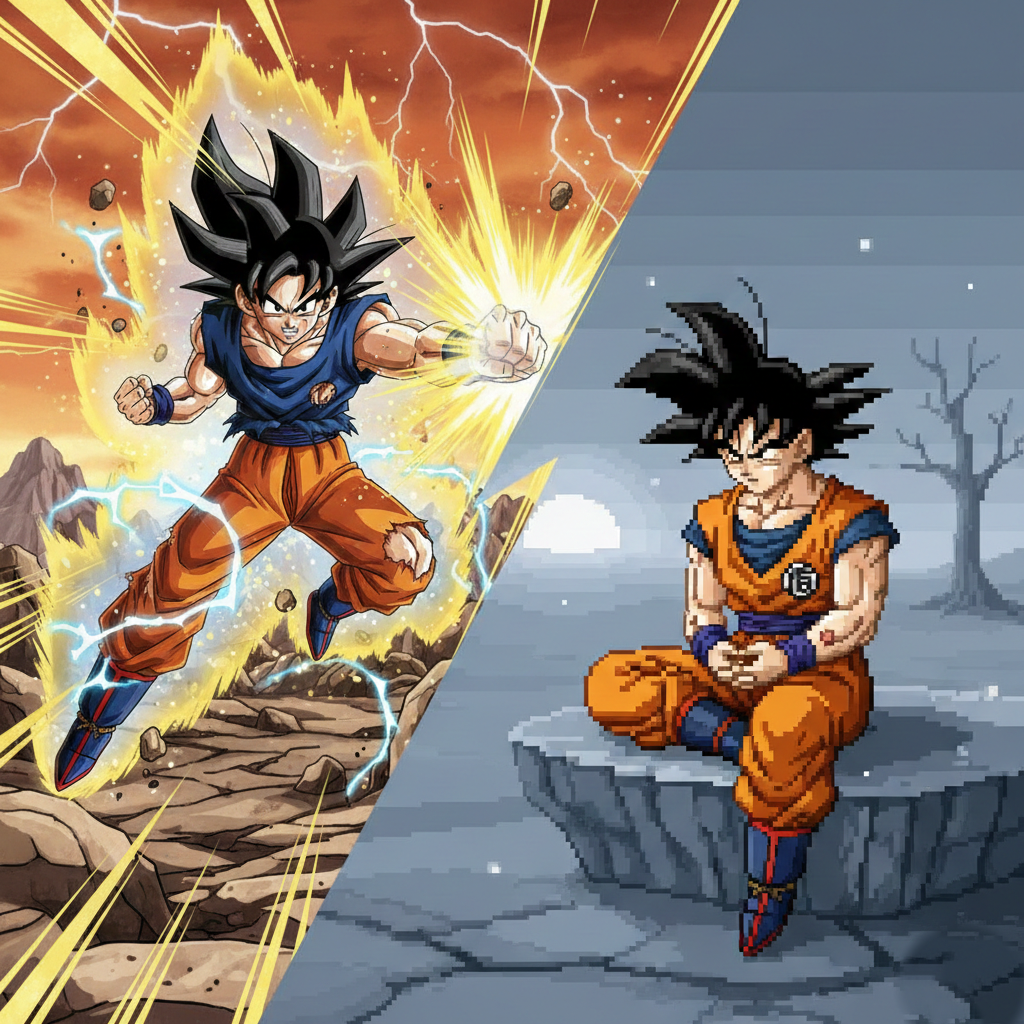
At its core, Dragon Ball Devolution is a fan continuation that takes place after the events of Dragon Ball Z. However, it doesn’t try to replace canon or rewrite history. Instead, it explores an alternate future shaped by realism rather than spectacle. In Devolution, the universe is tired. Earth has been saved too many times, and the cost of those victories has piled up quietly in the background.
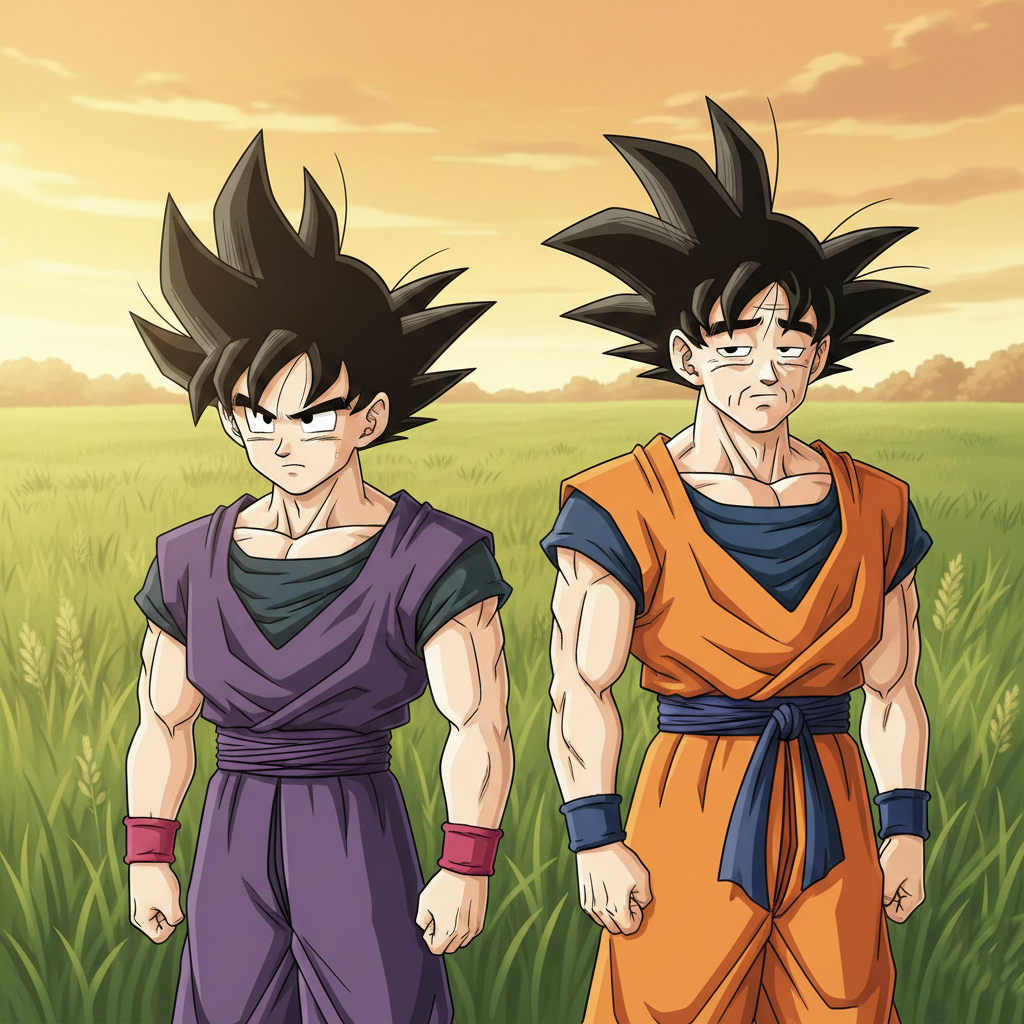
The story centers heavily on Goku and Gohan, but not in the way fans are used to. Goku is no longer the endlessly cheerful warrior. He’s older, worn down, and increasingly aware that his love for battle has consequences for everyone around him. Gohan, meanwhile, becomes the emotional anchor of the story—questioning whether strength should still define their lives at all.
What makes Devolution compelling is its restraint. There are no flashy new forms introduced for shock value. Battles exist, but they’re slower, heavier, and emotionally charged. Every punch feels like it matters because it costs something. This grounded approach is why Dragon Ball Devolution doesn’t feel like typical fan fiction—it feels like a thoughtful response to Dragon Ball’s legacy.
Why Dragon Ball Devolution Feels So Different From Canon Dragon Ball
One of the biggest reasons dragon ball devolution stands out is its complete rejection of power escalation. Canon Dragon Ball thrives on the idea that there’s always a stronger enemy and a higher form waiting to be unlocked. Devolution asks the opposite: what happens when that cycle becomes unsustainable?
In Devolution, power doesn’t solve everything—it creates new problems. Characters age, bodies break down, and emotional scars linger. Goku’s strength no longer feels heroic by default. Instead, it becomes something that isolates him from normal life. This shift is jarring for fans used to celebrating every new transformation, but it’s also deeply human.
This difference is why Devolution resonates today. Modern fans are older. Many grew up with Dragon Ball and now see it through a more mature lens. Stories that explore burnout, responsibility, and legacy naturally hit harder now than they did years ago. Devolution feels like Dragon Ball written for the fans who grew up.
Is Dragon Ball Devolution Canon? Clearing the Confusion
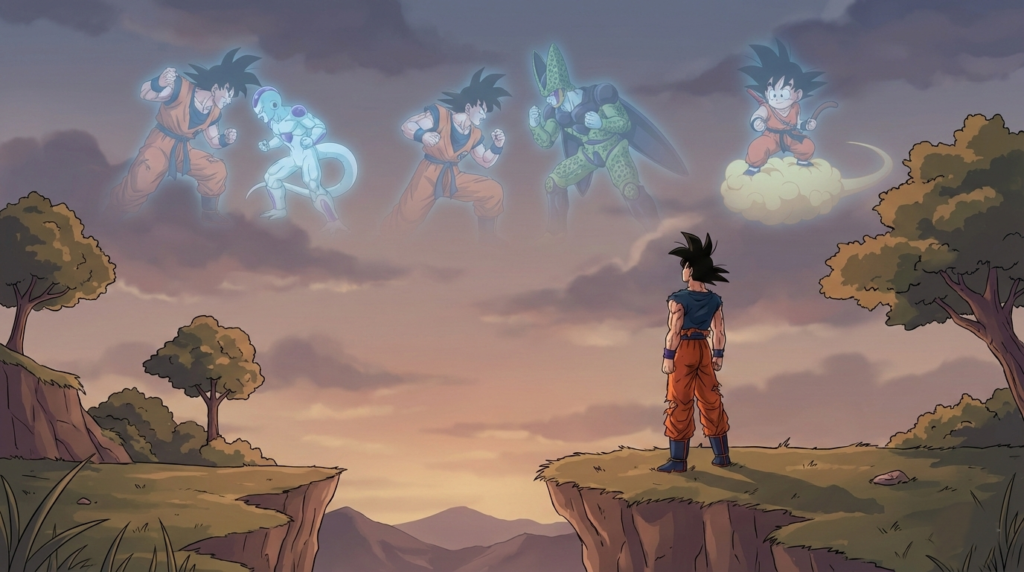
Let’s be clear: Dragon Ball Devolution is not canon. It has no official connection to Akira Toriyama, Toei Animation, or Shueisha. It exists entirely as a fan project. However, its lack of canon status doesn’t diminish its impact. In fact, that freedom is what allows it to explore ideas canon Dragon Ball rarely touches.
Canon Dragon Ball is designed to continue indefinitely. Devolution is designed to end. It treats the story like a finite journey with emotional closure. That alone makes it feel unique. It doesn’t compete with canon—it complements it by offering an alternative perspective.
This distinction is important. Fans aren’t confusing Devolution for official material; they’re revisiting it because it offers something official Dragon Ball intentionally avoids. In a landscape full of transformations and multiverses, Devolution feels quiet, reflective, and honest.
Why Dragon Ball Devolution Is Trending on Google Right Now
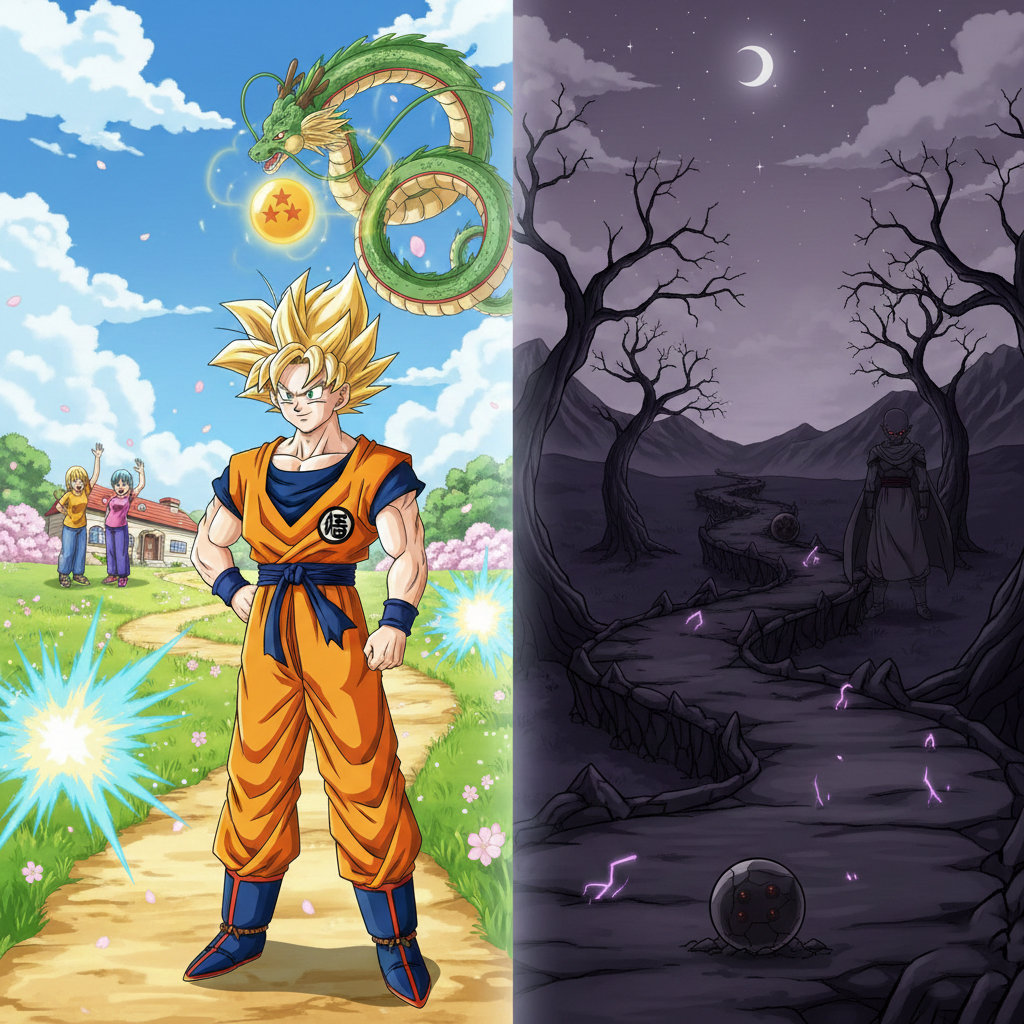
The rise of dragon ball devolution on Google Trends isn’t random. Several factors are coming together at the same time. First, Dragon Ball Daima has reopened conversations about identity, form, and what Dragon Ball can be beyond raw power. That naturally leads fans to rediscover older projects that explored similar ideas.
Second, social media thrives on rediscovery. Clips, panels, and emotional moments from Devolution are being reshared by fans who experienced it years ago and want to show newer audiences what they missed. Once a few influential posts gain traction, search interest follows quickly.
Finally, there’s nostalgia—but not the shallow kind. This is reflective nostalgia. Fans aren’t just remembering Devolution; they’re reevaluating it with older eyes. That shift in perspective is exactly why the keyword is trending now, not ten years ago.
Why Dragon Ball Devolution Still Matters Today
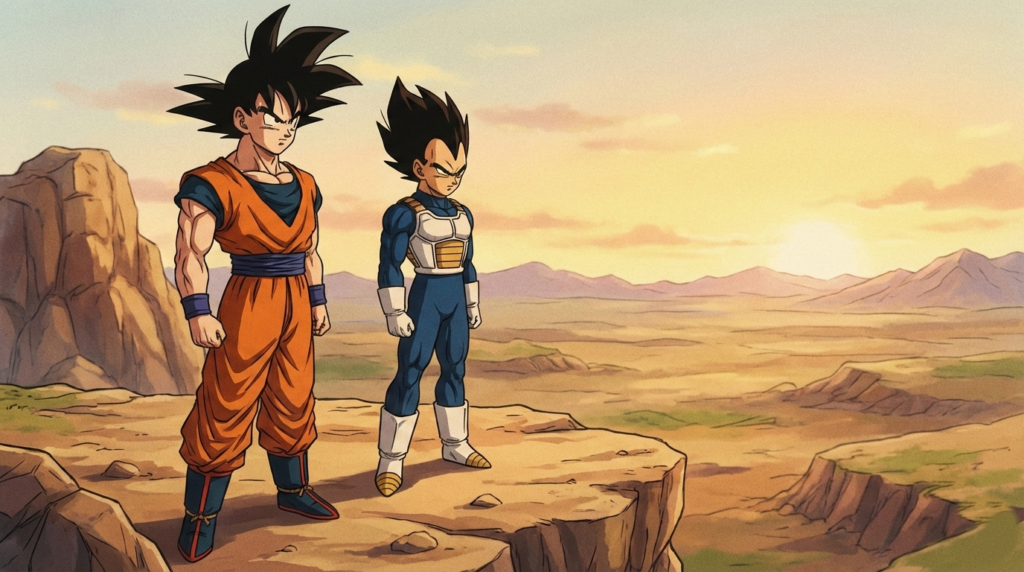
Dragon Ball Devolution matters because it proves how flexible the Dragon Ball universe really is. It shows that Dragon Ball doesn’t have to rely on constant escalation to remain meaningful. Emotional weight, character fatigue, and moral questions can be just as powerful as transformations.
More importantly, Devolution represents the voice of the fandom itself. It’s Dragon Ball viewed through the eyes of people who grew up with it, lived with it, and eventually questioned it. That perspective is invaluable, even if it exists outside canon.
So if you’re seeing dragon ball devolution trending and wondering why—it’s because the story finally caught up with its audience. And in doing so, it reminded fans that Dragon Ball isn’t just about becoming stronger. Sometimes its about knowing when to stop fighting.