
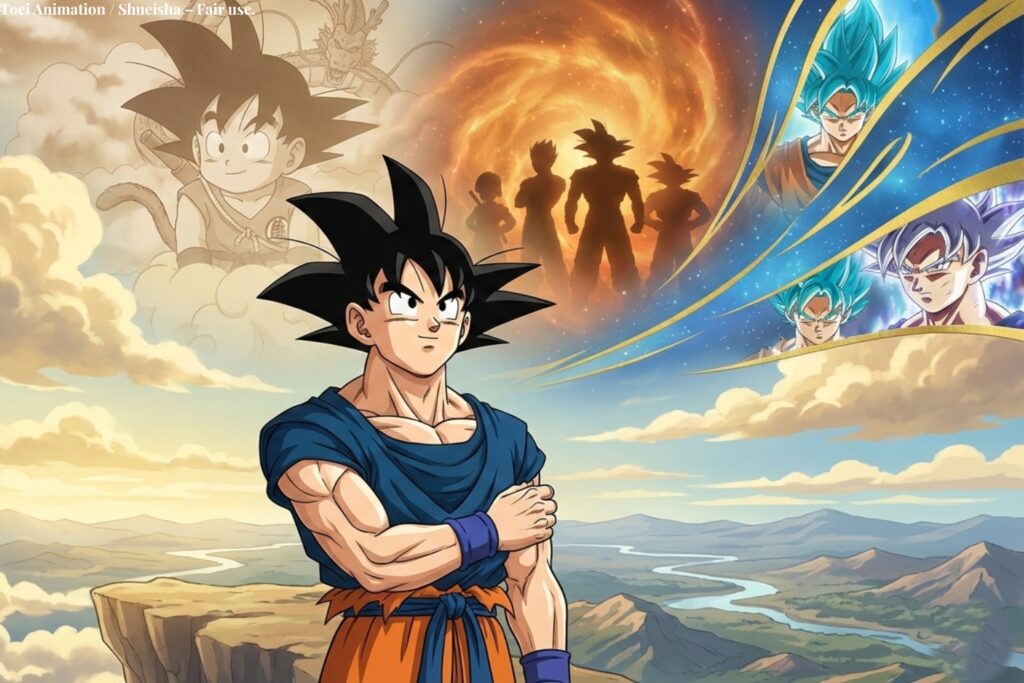
Dragon Ball has reached a moment no one imagined decades ago. With Dragon Ball Daima opening a new creative chapter, fans aren’t just asking what comes next — they’re asking what Dragon Ball is becoming. The legacy of Dragon Ball is no longer defined by a single series or transformation. It’s defined by endurance, reinvention, and emotional connection across generations.
After Daima, the franchise stands at a crossroads. One path looks backward, protecting nostalgia. The other looks forward, embracing change. What makes this moment special is that Dragon Ball doesn’t have to choose only one. The question now is simple, but heavy: how does Dragon Ball move forward without losing what made it timeless?
Dragon Ball Legacy Was Never Just Power
For years, Dragon Ball was reduced to power levels, transformations, and battles. But its true legacy runs deeper. Dragon Ball has always been about growth — physical, emotional, and philosophical.
From a simple boy chasing adventure to gods debating responsibility, Dragon Ball evolved alongside its audience. That evolution is why the franchise survived multiple decades without fading. It adapted without erasing its core.
Even today, fans don’t return just for fights. They return for characters, themes, and moments that shaped how they grew up. That emotional loyalty is Dragon Ball’s greatest asset — and its greatest responsibility moving forward.
How Daima Changed the Conversation
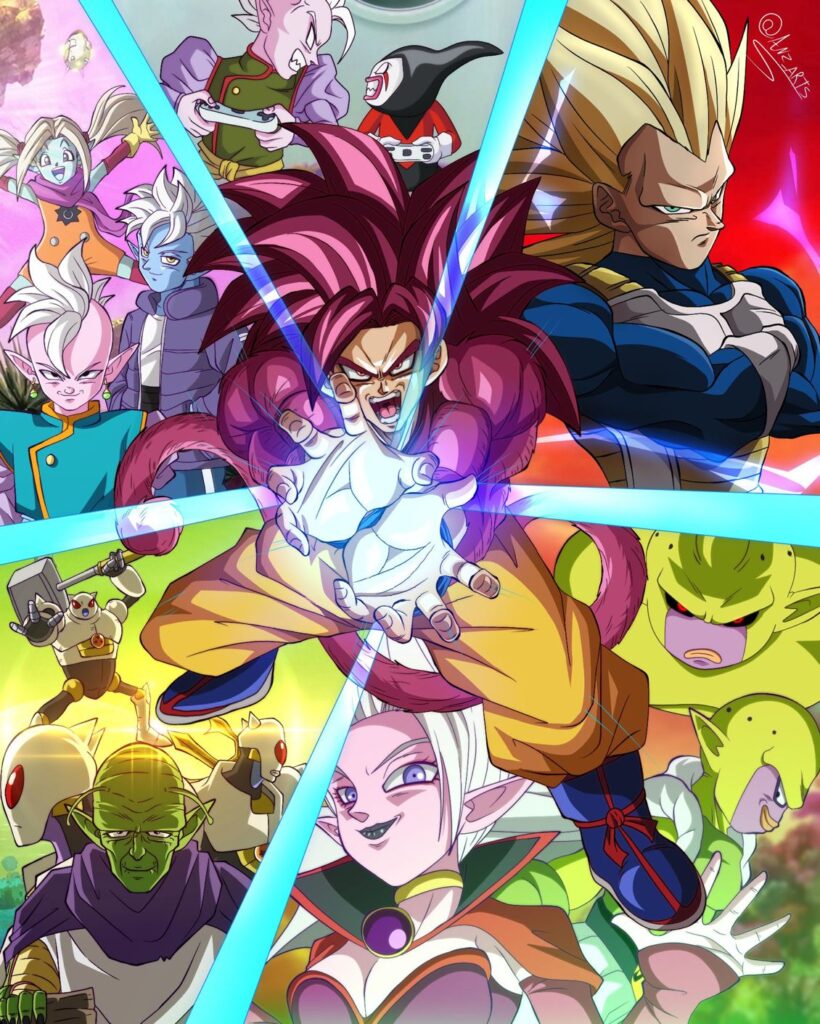
Dragon Ball Daima didn’t just introduce a new art style or tone. It sent a message: Dragon Ball is willing to experiment again.
Daima stripped away assumptions. Smaller forms. A quieter pace. A sense of mystery instead of constant escalation. Some fans were surprised. Others were relieved. But almost everyone agreed on one thing — it felt intentional.
That intention matters. Daima suggests that Dragon Ball is no longer chasing bigger explosions alone. It’s exploring meaning, structure, and adventure again. That opens doors the franchise hasn’t walked through in years.
What Fans Are Hoping Comes Next
Fan expectations after Daima are complex — and emotional. Longtime fans want respect for the past. Newer fans want stories that feel relevant today. Most want both.
There is strong hope for:
- A return to long-form anime storytelling
- More character-driven arcs instead of constant escalation
- Multiple story paths existing at once
- Better balance between action and consequence
Many fans still look toward Dragon Ball Super as an unfinished chapter. Whether Super returns directly or indirectly, its legacy still feels open-ended. Daima hasn’t replaced it — it’s reframed the conversation around it.
The Emotional Weight Dragon Ball Carries Now
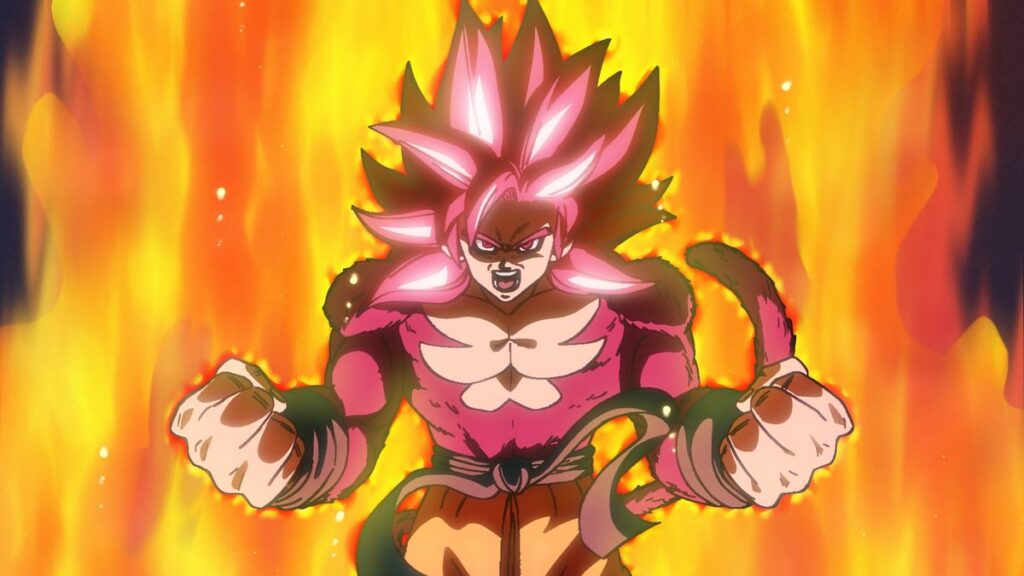
Dragon Ball is no longer just entertainment. It’s memory.
For millions, it represents childhood, friendship, perseverance, and imagination. That emotional weight has only grown stronger with time — especially after the passing of Akira Toriyama. Every new Dragon Ball project now carries a sense of guardianship over his legacy.
Fans feel this deeply. That’s why reactions to Daima weren’t just about animation or design — they were about trust. Trust that Dragon Ball would continue with care.
Predicting Dragon Ball Future Direction
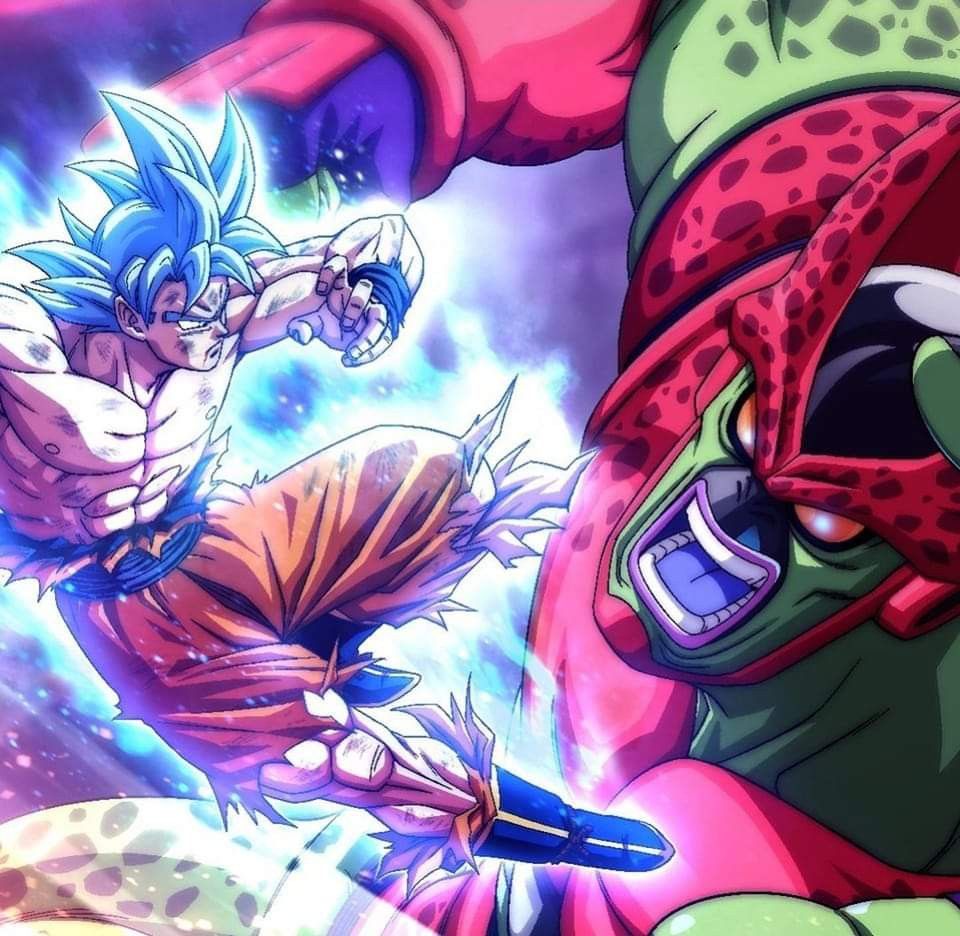
Looking ahead, Dragon Ball’s future likely won’t be a single straight line. Instead, it may branch into parallel paths:
- Experimental projects like Daima
- Traditional long-form arcs tied to Super’s continuity
- Event-driven content through festivals, films, and specials
- Deeper focus on characters beyond Goku without replacing him
This approach protects the legacy while allowing growth. It also mirrors modern storytelling trends, where franchises succeed by offering variety without fragmentation.
Dragon Ball doesn’t need to reinvent itself completely. It needs to expand wisely.
Why Dragon Ball Still Feels Far From Finished
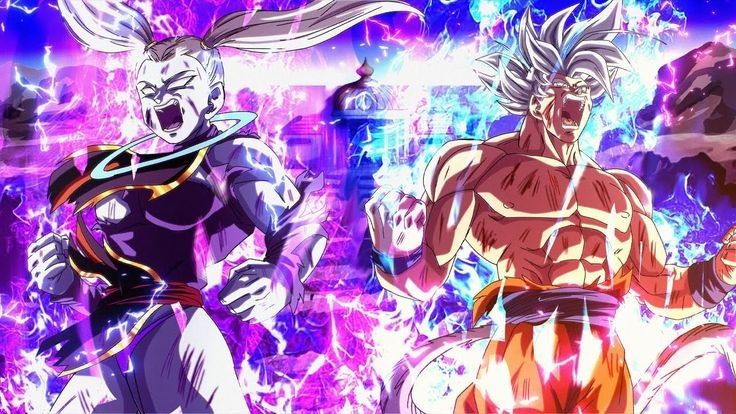
If Daima proved anything, it’s that Dragon Ball still has stories to tell — just not always the ones fans expect.
The franchise has outlived trends, rivals, and even generations. Its strength lies in adaptability grounded in identity. As long as Dragon Ball remembers why people cared in the first place, it will continue. The legacy of Dragon Ball isn’t ending after Daima. It’s transitioning. And for the first time in a long while, the future doesn’t feel uncertain — it feels open.

