
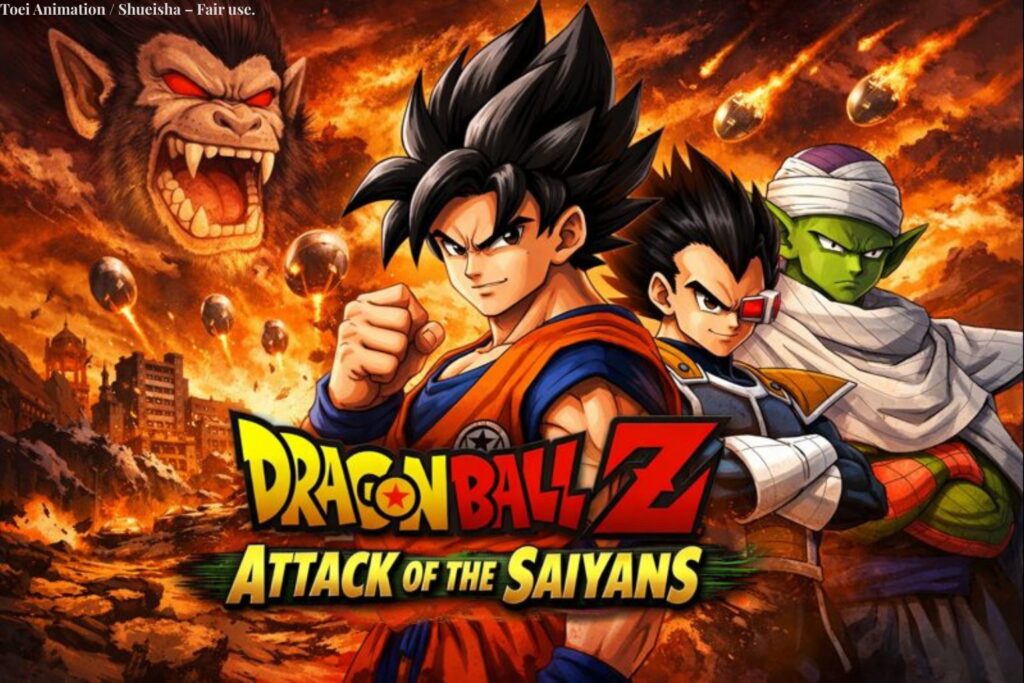
Dragon Ball Z Attack of the Saiyans arrived quietly, without the massive marketing push that usually surrounds Dragon Ball releases, yet it accomplished something few adaptations ever managed: it respected the pace, tension, and vulnerability of the Saiyan Saga. At a time when Dragon Ball games were racing toward bigger explosions and faster fights, Attack of the Saiyans deliberately slowed everything down.
The story begins before chaos takes over, allowing players to experience the uneasy calm that defines the early Z era. This design choice matters because Dragon Ball Z is not just about power—it’s about escalation. The fear of the unknown, the realization that Earth is unprepared, and the gradual understanding that survival is no longer guaranteed are all central to the Saiyan Saga’s identity. The game leans into that atmosphere, turning familiar events into something that feels newly dangerous. Instead of rushing players from Raditz to Vegeta, it builds dread through exploration, side interactions, and moments of uncertainty.
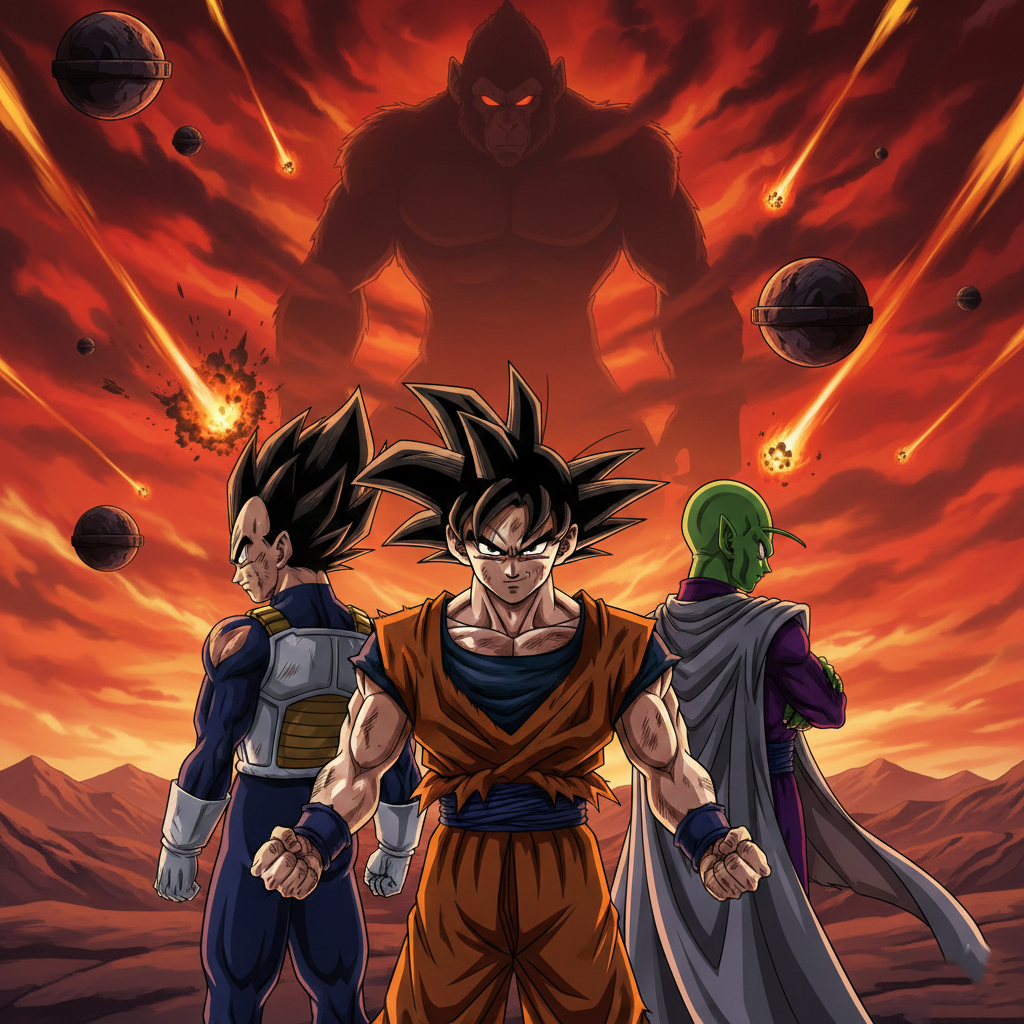
That sense of looming threat is what modern Dragon Ball games often skip in favor of spectacle. Attack of the Saiyans doesn’t rely on nostalgia alone; it earns emotional investment by making players live inside the story rather than observe it from a distance. Even years later, this approach feels bold, especially as Dragon Ball games increasingly prioritize cinematic flash over narrative weight. The result is an experience that still resonates because it understands why the Saiyan Saga mattered in the first place.
A Turn-Based Combat System That Finally Made Dragon Ball Feel Dangerous
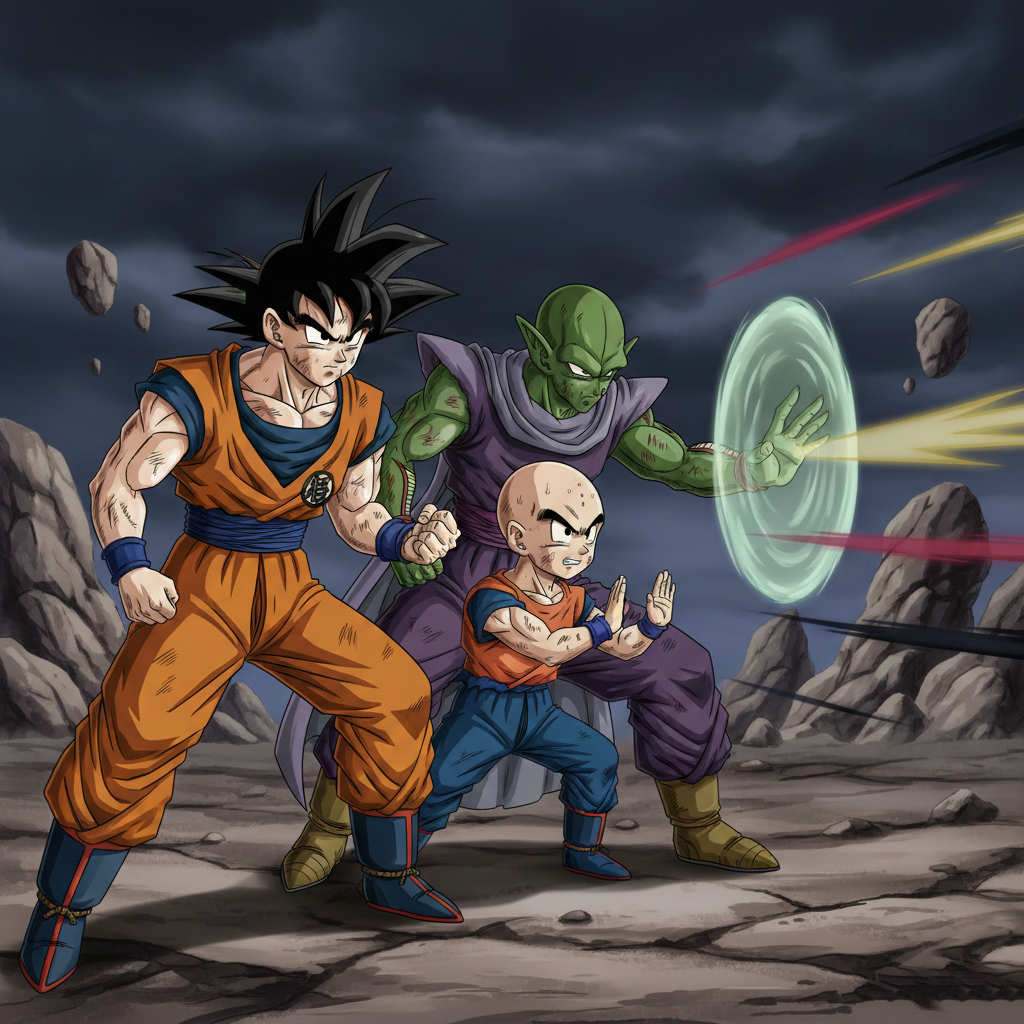
What truly elevates Attack of the Saiyans is how its gameplay reinforces the story instead of overpowering it. The turn-based combat system demands planning, restraint, and awareness—qualities that align perfectly with the desperation of the Saiyan conflict. Ki management isn’t a background mechanic; it’s the core of survival. Waste energy early, and later battles become punishing. This design choice mirrors the anime’s reality, where characters can’t simply unleash their strongest attacks without consequence.
Each party member brings a distinct tactical identity, encouraging thoughtful team composition rather than brute-force dominance. Goku’s balanced versatility, Piccolo’s control-oriented abilities, and Gohan’s uneven but explosive growth reflect their narrative roles with impressive accuracy. Even weaker characters feel relevant when used intelligently, reinforcing Dragon Ball Z’s recurring theme that teamwork often outweighs raw strength. Exploration adds another layer of tension, as resources are limited and mistakes carry weight.
Healing items aren’t endless, and reckless decisions can derail progress quickly. This constant pressure creates a sense of risk rarely felt in Dragon Ball games, where victory is usually guaranteed. Here, defeat feels possible—and that possibility is what makes success satisfying. In an era where many anime adaptations reduce combat to visual spectacle, Attack of the Saiyans stands out for trusting players to engage strategically. It doesn’t just depict danger; it forces players to navigate it thoughtfully, making every battle feel earned rather than scripted.
Why Attack of the Saiyans Still Sets a Standard Modern Dragon Ball Games Haven’t Matched
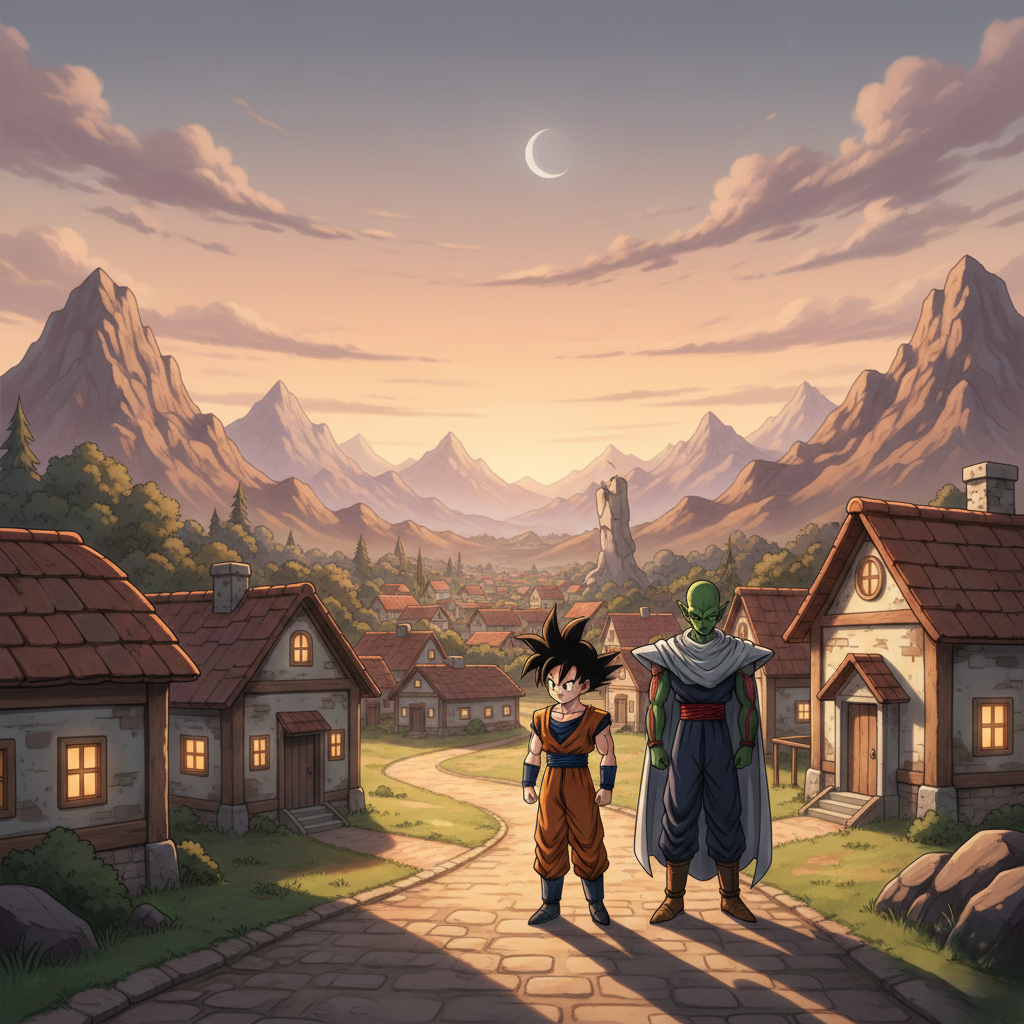
Years after its release, Attack of the Saiyans continues to be referenced not because it was flashy, but because it was confidently restrained. As Dragon Ball games grow more cinematic and transformation-heavy, this title feels increasingly rare in its willingness to prioritize pacing, tension, and character growth. It understood that transformations matter most when they are earned, not constant. That philosophy gives the game lasting relevance, especially as fans debate what Dragon Ball adaptations should aim to be.
Rather than chasing spectacle, Attack of the Saiyans focused on immersion, trusting the strength of the source material to carry the experience. Its lack of a sequel only reinforces its legacy, turning it into a benchmark rather than a stepping stone. For many fans, it remains the only Dragon Ball game that truly captured the emotional weight of the Saiyan Saga without rushing toward its biggest moments. That achievement feels even more impressive today, as modern titles struggle to balance fan service with storytelling depth.
Attack of the Saiyans didn’t just retell a familiar arc—it recontextualized it, reminding players why the Saiyan invasion was terrifying, transformative, and unforgettable. In doing so, it proved that Dragon Ball doesn’t need constant escalation to feel powerful. Sometimes, slowing down is what makes the story hit hardest.

