
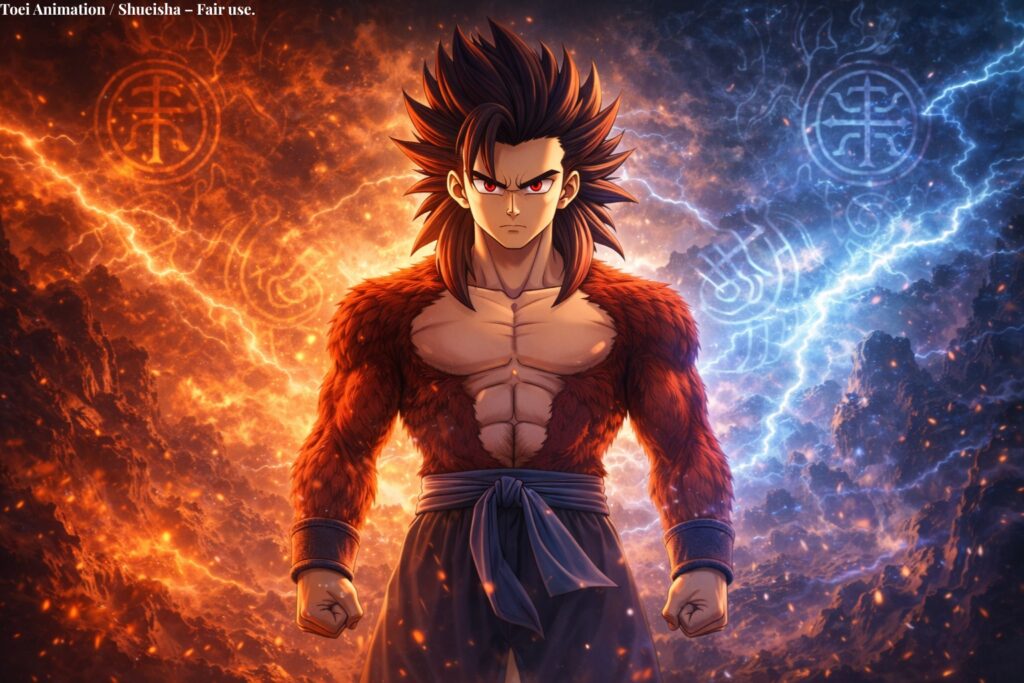
For years, the question “Is Super Saiyan 4 canon?” had a simple answer: no. That answer came from the fact that Super Saiyan 4 originated in Dragon Ball GT, which existed outside the main manga continuity. But Dragon Ball Daima has complicated that answer in a way no previous series ever did. With Daima introducing a transformation that is unmistakably inspired by Super Saiyan 4—and doing so in a story directly overseen by Akira Toriyama—the canon conversation has fundamentally shifted. Fans are no longer asking if SSJ4 fits into canon, but how it fits.
Dragon Ball Daima is canon by design. It exists within the official Dragon Ball timeline and carries Toriyama’s creative approval, which immediately elevates anything it introduces above GT’s status. When Daima revealed Goku tapping into a primal, Great Ape–linked power that visually and conceptually mirrors Super Saiyan 4, it sent a clear message: the idea behind SSJ4 was never rejected—only its original execution was. This matters because canon in Dragon Ball has always followed Toriyama’s intent more than strict chronology. Daima doesn’t erase GT, but it does something more important. It reclaims Super Saiyan 4’s core concept and reframes it inside official continuity.
What Daima presents isn’t a nostalgic callback for fan service alone. It’s a deliberate reinterpretation of Saiyan evolution, one that aligns with Dragon Ball’s earliest mythology. For the first time, fans can credibly argue that Super Saiyan 4 is canon in spirit, if not in name—and that distinction changes everything.
What Dragon Ball Daima Actually Confirms About SSJ4
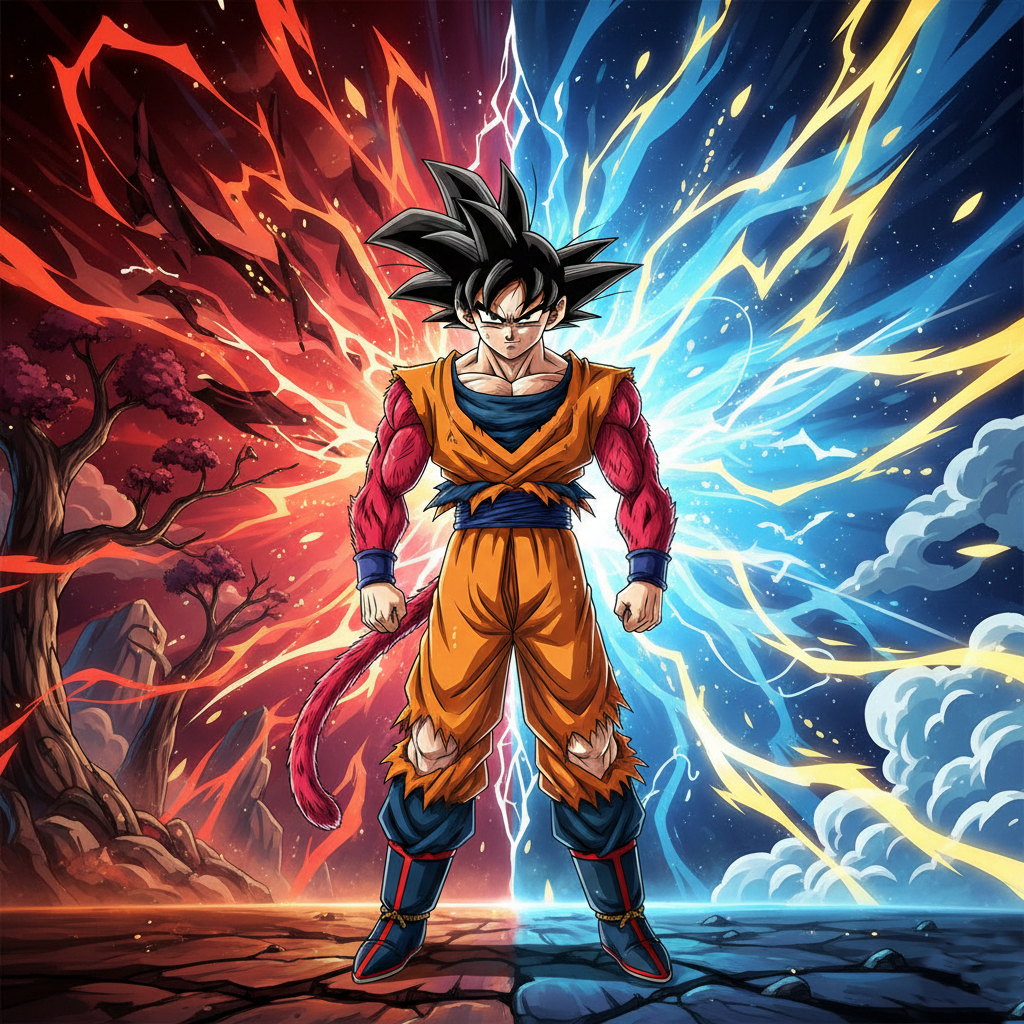
The most important thing to understand is that Dragon Ball Daima doesn’t simply copy GT’s Super Saiyan 4 and paste it into canon unchanged. Instead, it introduces a canon transformation rooted in the same biological logic. The form emphasizes primal Saiyan power, control over Great Ape energy, and instinct rather than divine ki. These are the exact pillars that defined Super Saiyan 4 in GT. The difference is context. In Daima, this power emerges naturally from Saiyan physiology rather than as an anime-original endpoint.
This distinction is crucial. Canon Dragon Ball has always preferred reframing ideas instead of importing them wholesale. Super Saiyan God and Ultra Instinct didn’t invalidate earlier forms—they evolved the concept of power. Daima does the same with SSJ4. By tying this transformation to a younger, physically altered Goku and focusing on raw, ancient Saiyan energy, the series reintroduces SSJ4 philosophy in a way that fits seamlessly into official lore. That makes it canon not as a GT artifact, but as a new canonical evolution inspired by the same source.
Importantly, Daima approach also avoids contradicting Dragon Ball Super. Super explored divine power and gods, while Daima shifts the focus inward—toward Saiyan origins. These ideas don’t clash; they coexist. Dragon Ball Daima effectively proves that Super Saiyan 4–style power was never incompatible with canon. It was simply waiting for the right narrative framework.
Why This Version of Super Saiyan 4 Feels More Legit Than GT
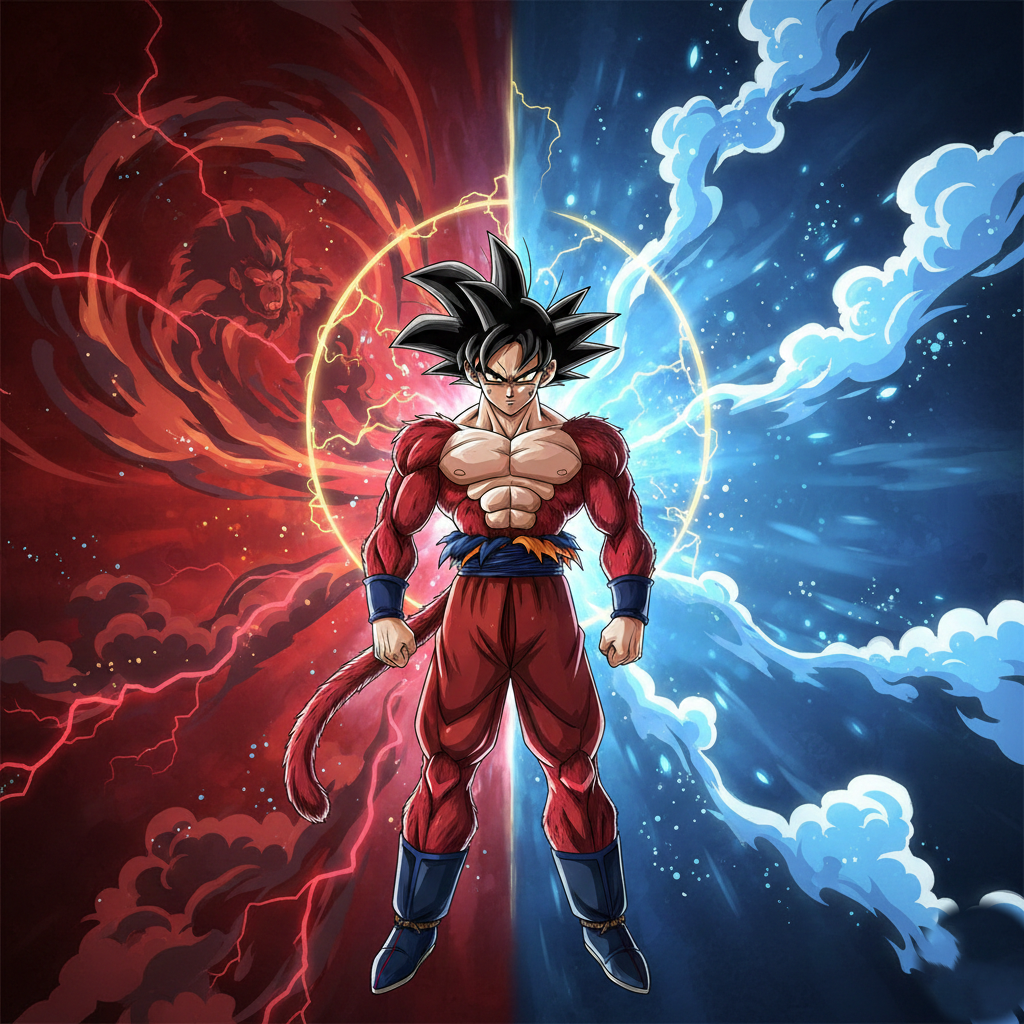
One of the biggest criticisms of GT-era Super Saiyan 4 was that it existed in a narrative vacuum. It looked incredible and made thematic sense, but it lacked long-term integration into Dragon Ball’s mythology. Dragon Ball Daima fixes that problem. By placing a primal Saiyan transformation inside a canon story that actively explores body, age, and identity, Daima gives SSJ4 something it never had before: structural legitimacy.
Daima also benefits from hindsight. It understands what fans loved about Super Saiyan 4—its savage elegance, its connection to the Great Ape, its rejection of godly shortcuts—and refines those elements without the excesses of GT storytelling. The result feels intentional rather than experimental. This isn’t a last-resort power-up. It’s a rediscovery of something ancient that Saiyans were always capable of.
That’s why so many fans now accept this form as “canon SSJ4,” even if the name isn’t officially stamped on it yet. Canon isn’t just about labels; it’s about function and origin. Dragon Ball Daima places a Super Saiyan 4–type transformation exactly where it belongs: inside the natural evolution of Saiyans themselves.
So Is Super Saiyan 4 Canon After Dragon Ball Daima?
The most accurate answer is this:
Super Saiyan 4 as seen in Dragon Ball GT is still non-canon.
But Super Saiyan 4 as a concept is now canon thanks to Dragon Ball Daima.
Daima doesn’t validate GT retroactively, but it does something arguably more important—it proves that SSJ4 was never a mistake. It was simply ahead of its time. By reintroducing primal Saiyan power under Toriyama’s direct vision, Dragon Ball Daima elevates SSJ4 from a beloved “what if” into a legitimate part of Dragon Ball’s evolutionary language.
Canon in Dragon Ball has always been flexible, shaped by reinvention rather than erasure. With Dragon Ball Daima, Super Saiyan 4 has crossed a line it never crossed before. It may not wear the exact same name, but its soul is now undeniably canon—and that’s a shift the franchise may never walk back.

