Dragon Ball has survived for decades because it knows how to make fans feel something real. It is not just about power levels or flashy fights. It is about loss growth fear and hope. At its best Dragon Ball made death feel heavy and sacrifice feel permanent. That emotional weight is why moments from early Dragon Ball and Dragon Ball Z still stay with fans today.
Yet one rule slowly changed how stories worked in this universe. It did not arrive as a villain or a plot twist. It was always there. Over time it became more powerful than any enemy. That rule is resurrection through the Dragon Balls. More than Frieza Cell or Buu this single rule reshaped Dragon Ball storytelling and quietly weakened its stakes.
When Death Truly Mattered in Dragon Ball
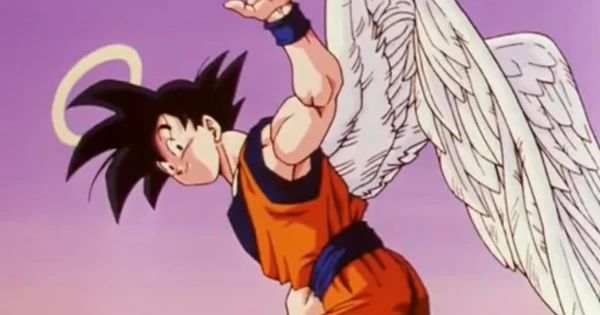
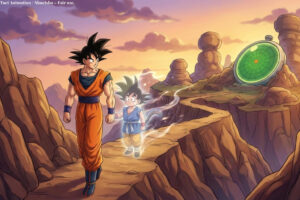
In early Dragon Ball death was not treated lightly. When characters died they stayed dead. Grandpa Gohan never came back. Bora never returned. Loss was permanent and that permanence gave the story emotional strength. Goku learned lessons through pain not resets. Every victory felt earned because failure had real consequences.
Even after the Dragon Balls were introduced resurrection was rare and limited. Wishes were difficult to gather. Time mattered. Loss still hurt. Death was not a button that could be pressed whenever the story needed comfort. It was part of the world and part of growth.
Krillin’s death during the King Piccolo arc is a perfect example. It shocked viewers and changed Goku completely. That moment worked because death was not expected to be reversed quickly. It forced Goku to mature and pushed the story forward.
The Saiyan Saga Balanced Resurrection Perfectly
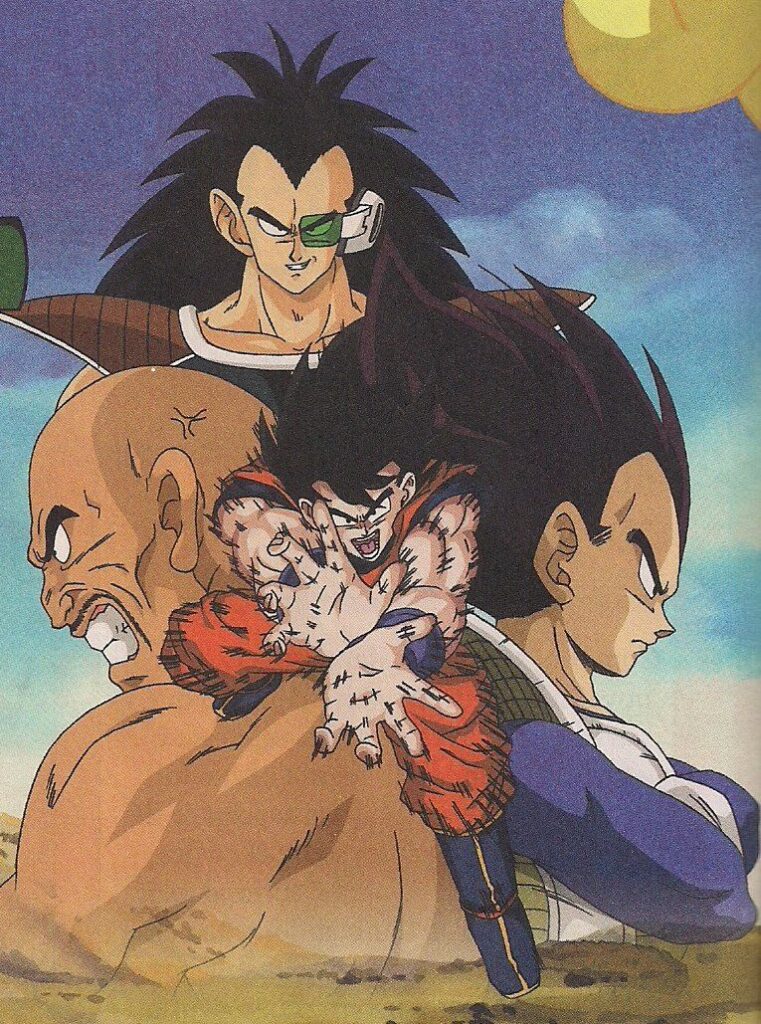
Dragon Ball Z raised the stakes but still respected death. The Saiyan Saga showed how resurrection could exist without destroying tension. Goku died. Piccolo died. Earth was helpless. Even with the Dragon Balls available there were rules delays and limits that made loss feel real.
Characters trained in the afterlife. Months passed. The world moved forward without them. Death created change rather than erasing it. Because of that the Saiyan Saga remains one of the most respected arcs in the franchise. Resurrection did not weaken the story. It strengthened it.
Namek Opened the Door to Unlimited Revivals
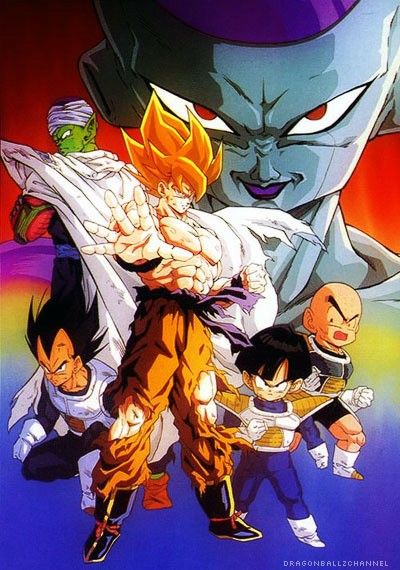
The Namek Saga expanded the universe and introduced new Dragon Balls with new rules. At first this felt exciting. Bigger mythology meant bigger possibilities. But it also changed how fans viewed death.
Multiple wishes. Faster revives. Entire groups restored at once. Slowly death stopped being an ending and became a pause. When characters died on Namek viewers stopped wondering if they would return. They started wondering when. That shift is critical. Once resurrection becomes expected tension fades. Fear becomes temporary. Loss becomes procedural.
Frieza Did Not Break the Story
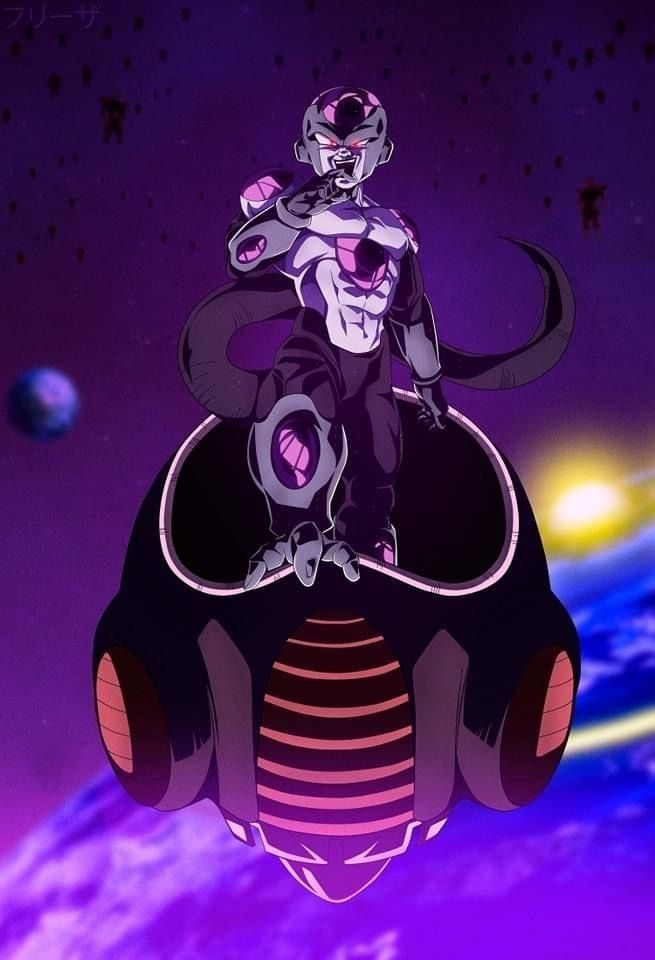
Frieza is often blamed for escalating Dragon Ball beyond repair but he is not the problem. Frieza worked because the emotional stakes still existed. Krillin’s death still mattered. Vegeta’s breakdown still mattered. Goku’s transformation felt earned.
The resurrection rule had not yet taken control of the story. Characters still reacted to loss in meaningful ways. Growth came from pain rather than convenience.
Cell and the Death That Almost Fixed Everything
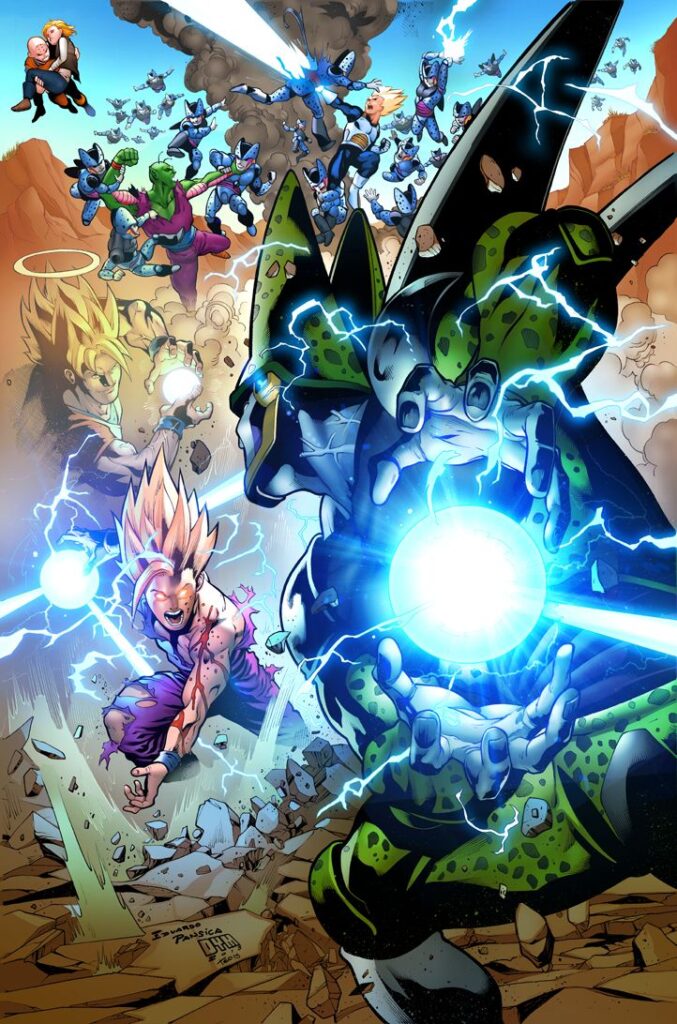
Goku choosing to stay dead after the Cell Games was one of the most mature decisions in the entire franchise. It acknowledged responsibility. It accepted consequence. It allowed the next generation to rise.
For a moment Dragon Ball restored balance. Death mattered again. Growth followed sacrifice. The story felt grounded despite its scale. Unfortunately that moment did not last.
The Buu Saga Removed Consequences Completely
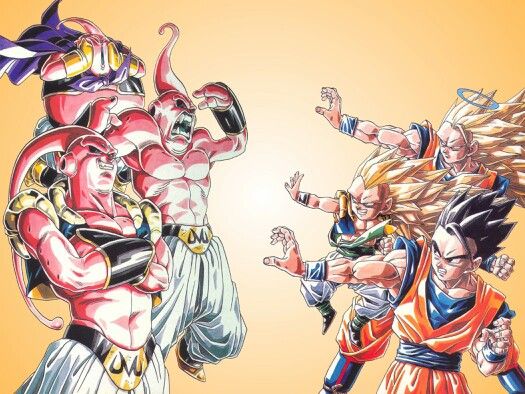
The Buu Saga is where resurrection stopped supporting the story and started dominating it. Entire cities died and returned within minutes. Earth was destroyed and restored with almost no emotional fallout. Death became reversible on a planetary scale.
There was no time to grieve. No lasting trauma. No scars. When everything can be undone nothing feels permanent. The Dragon Balls erased consequences faster than the story could explore them. This is where the rule truly broke Dragon Ball.
Dragon Ball Super Made Resurrection Inevitable
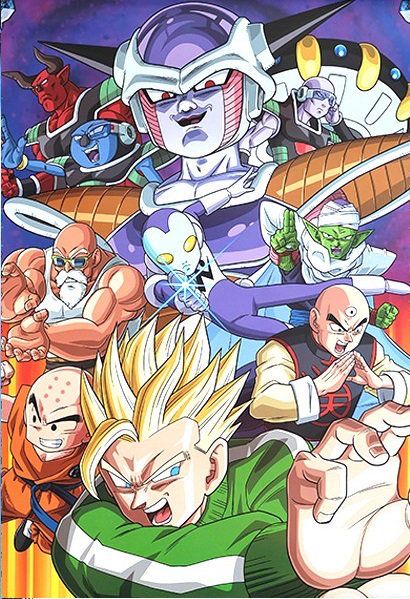
Dragon Ball Super did not invent this problem but it locked it in place. Gods angels and time manipulation made death feel optional. Multiple universes had their own Dragon Balls. Even erasure could sometimes be reversed.
Zamasu attempted to challenge the system by attacking mortals themselves but the arc still relied on resets and divine loopholes. The rule always won. No matter how dark the concept the safety net remained.
Sacrifice Lost Its Meaning
Early Dragon Ball sacrifices hurt. Piccolo protecting Gohan hurt. Vegeta’s final explosion hurt. Goku staying dead hurt.
Modern sacrifices feel temporary. Viewers wait for the reset rather than sit with the loss. When sacrifice no longer costs something it stops teaching something. That is one of the quietest but most damaging effects of resurrection without consequence.
Power Scaling Is Not the Real Issue
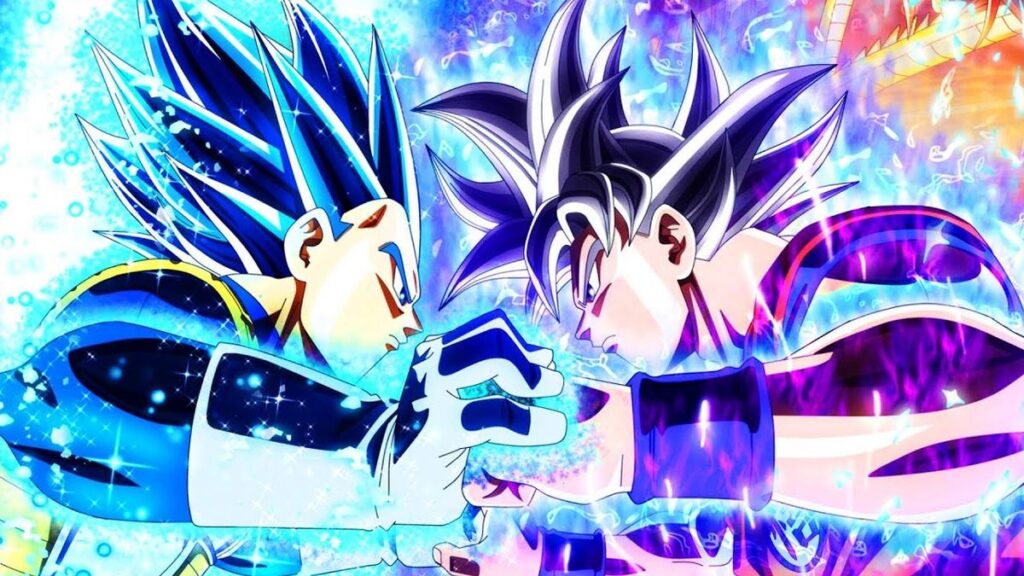
Many fans blame power scaling for Dragon Ball storytelling problems. In truth power only feels broken because death lost meaning. If loss mattered again power would feel dangerous again.
A weak villain can feel terrifying if consequences are permanent. A strong villain feels hollow if nothing sticks. Stakes come from consequence not numbers.
The Emotional Cost Fans Rarely Talk About
Dragon Ball taught generations about effort failure and growth. Resurrection softened failure. Mistakes no longer demanded change. Loss no longer demanded reflection. Characters stagnated not because they were poorly written but because the world forgave them instantly. Instant forgiveness removes urgency. Urgency is what makes stories unforgettable.
Why Dragon Ball Still Works Anyway
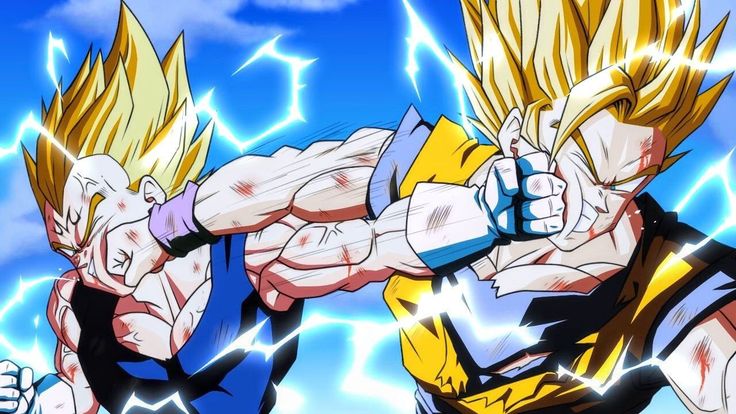
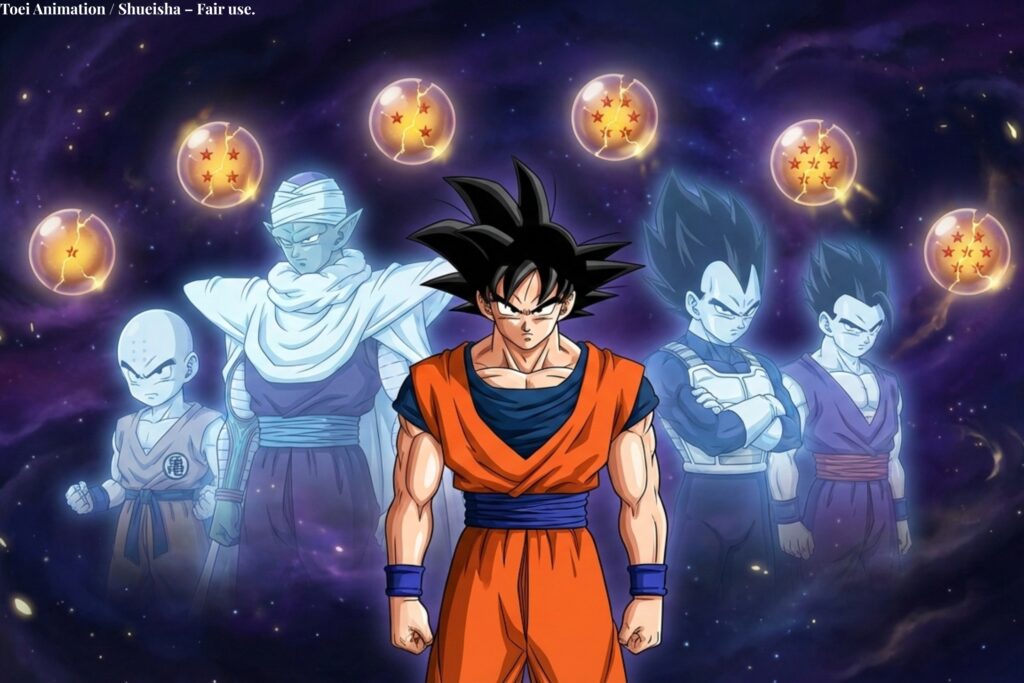
Despite all this Dragon Ball still connects emotionally because its heart remains strong. Rivalries pride bonds and legacy still matter. Goku and Vegeta still evolve through conflict. Piccolo still grows through responsibility. Gohan still represents lost potential and quiet strength. The emotion survives even when the stakes fade.
How Dragon Ball Can Fix This Without Removing Dragon Balls
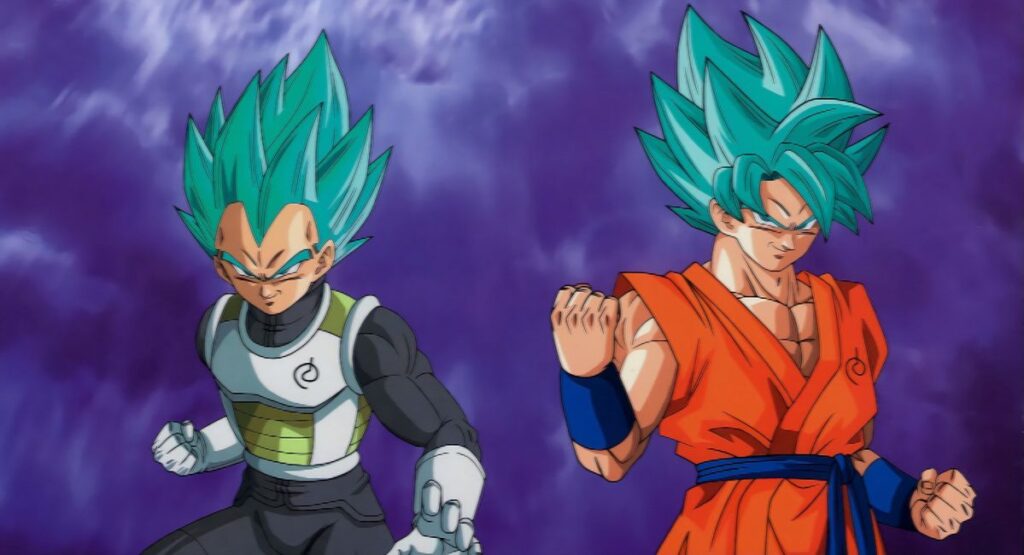
Dragon Ball does not need to remove resurrection. It needs cost. Limits. Scarcity. Time. Make wishes rare again. Make consequences linger. Let death change characters even if it does not end them. Pain should leave marks. Growth should follow loss. That balance once defined Dragon Ball and it can again.
The Rule Was Never Evil
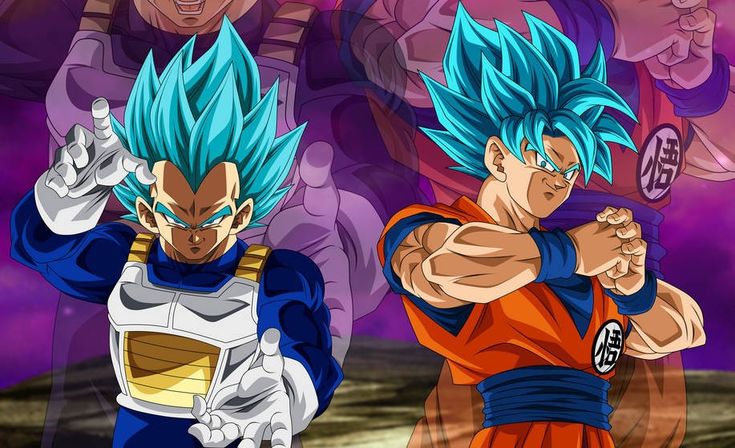
The Dragon Balls were never the villain. They were a miracle that stayed too long without boundaries. They saved the story early and replaced it later. The most dangerous thing in Dragon Ball was never Frieza Cell or Buu. It was the idea that nothing is permanent.
Final Thoughts
Villains come and go. Rules remain. The one Dragon Ball rule that broke more storylines than any villain was resurrection without consequence. Until that changes Dragon Ball will always feel powerful but rarely dangerous. Still legendary. Still beloved. Just safer than it once was.