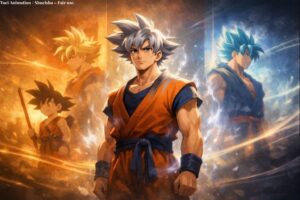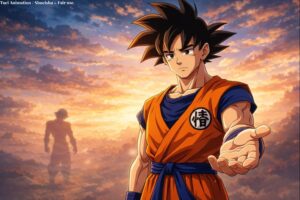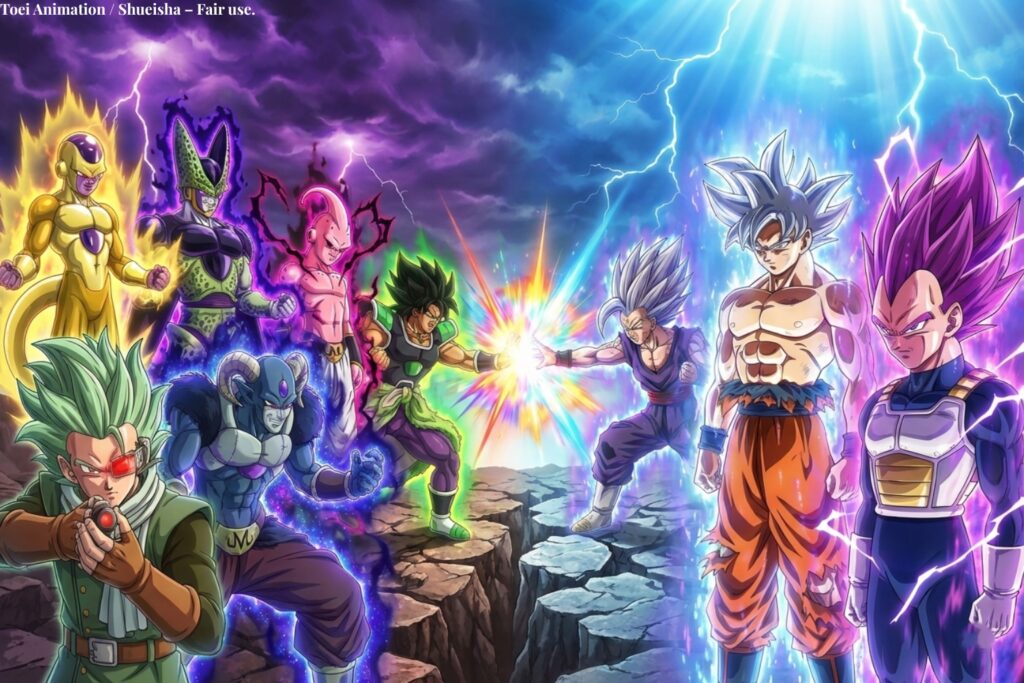
Dragon Ball has always framed its story around heroes. The camera follows Goku’s journey, celebrates hard-earned victories, and treats villains as obstacles meant to be overcome. But what if that framing was changed? What if Dragon Ball was told from the villains’ perspective instead? Suddenly, the story shifts from a tale of heroism to one of invasion, fear, and inevitable loss. From this angle, the so-called villains are not just evil forces. They are rulers defending empires, beings chasing purpose, and survivors reacting to a universe that keeps rewriting the rules against them.
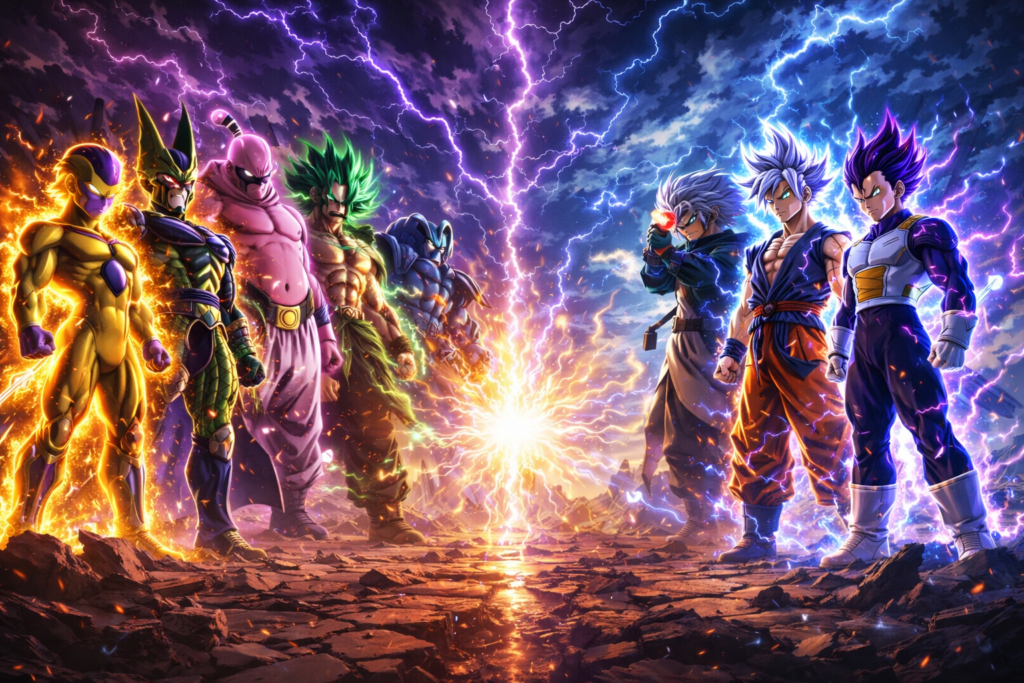
From a villain’s point of view, Earth is not a peaceful world worth protecting. It is a chaotic anomaly that repeatedly produces warriors capable of breaking cosmic balance. Every time peace is restored, someone stronger emerges. This makes the heroes feel less like saviors and more like walking disasters. The villains enter the story believing they are in control, only to be humiliated, surpassed, and erased. Their defeats are not just losses. They are existential shocks. Seeing Dragon Ball through their eyes transforms the series into a tragedy about power, pride, and the cruelty of endless escalation. It becomes a story where villains are not defeated because they are wrong, but because they arrive too early in a universe that refuses to stop evolving.
Frieza: A Emperor Watching His Universe Collapse
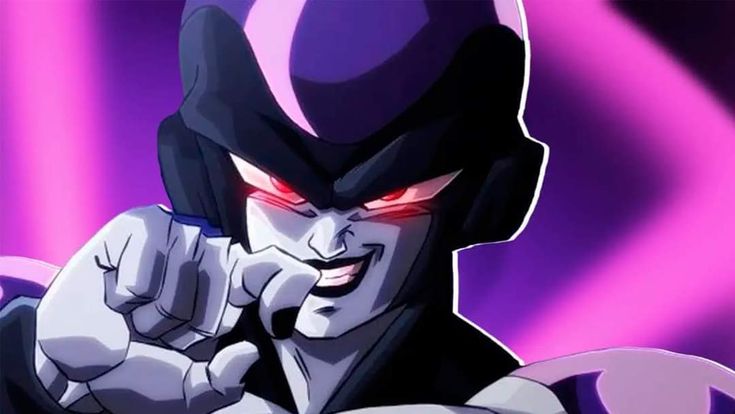
From Frieza perspective, Dragon Ball is a nightmare about losing control. He is not born into chaos. He rules it. His empire spans galaxies, built on fear and absolute power. For most of his life, strength is predictable. Power has a ceiling, and he sits comfortably above it. Then a low-level Saiyan from a forgotten planet breaks that ceiling. From Frieza’s view, this is not heroic. It is unnatural.
Frieza’s fear of the Saiyans is not irrational. It is survival instinct. He destroys their planet not out of cruelty alone, but out of prevention. When Goku arrives and transforms, Frieza’s world collapses in real time. Everything he believed about strength, destiny, and hierarchy shatters. Imagine being the strongest being alive, only to realize the universe has outgrown you without warning. Frieza does not just lose a fight. He loses the foundation of reality as he understands it.
Told from his perspective, Namek is not the story of a tyrant’s downfall. It is the story of a ruler facing extinction by a force he tried to contain. His rage, denial, and eventual obsession with revenge feel less like evil and more like a desperate attempt to reclaim meaning. Frieza’s repeated returns are not arrogance. They are proof of a mind that cannot accept a universe where he no longer matters.
Cell: A Creation Who Wanted Completion, Not Destruction
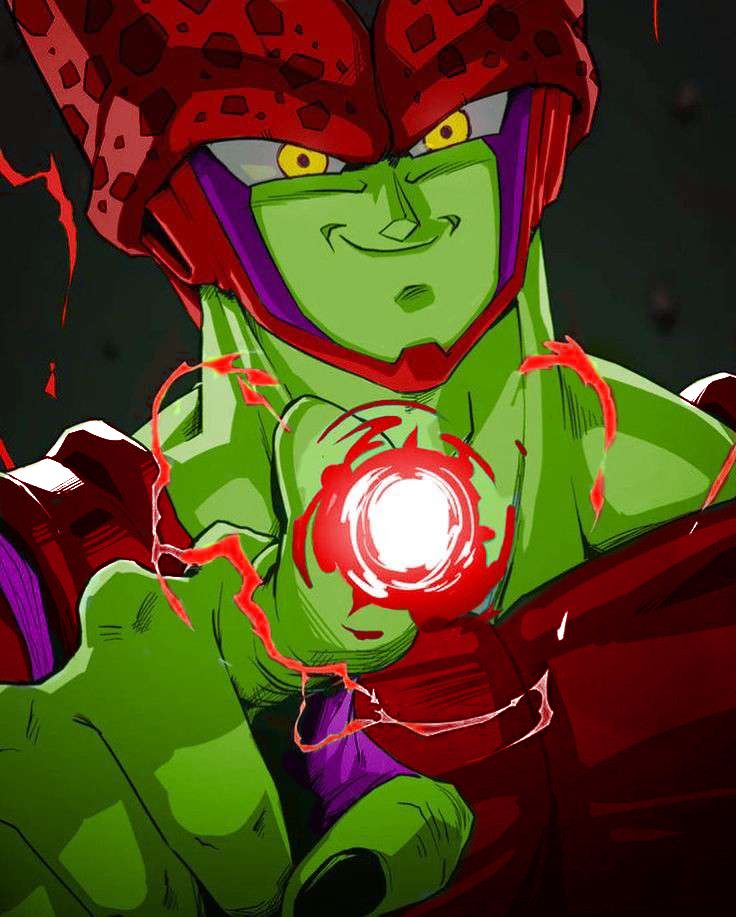
Seen through the eyes of Cell, Dragon Ball becomes a story about identity and purpose. Cell is not born. He is engineered. His entire existence is defined by a single goal: become perfect. He does not question that goal because he has no reason to. It is his destiny, written into every cell of his body. When heroes oppose him, they are not stopping evil. They are denying him the right to exist as intended.
Cell’s absorption of others is horrifying from the outside, but from his perspective, it is survival and fulfillment. He does not see individuals. He sees missing pieces of himself. When he reaches perfection, he does not immediately destroy the world. He hosts a tournament. He seeks validation. He wants to prove that his existence has meaning beyond programming.
His defeat is especially tragic when told from his point of view. Cell loses not because he is flawed, but because the universe produces someone who breaks limits through emotion rather than design. Gohan’s power is chaotic, fueled by pain and anger, not logic. For Cell, this is unbearable. He represents order and intention, only to be erased by unpredictable human emotion. In a villain-centered story, Cell is not a monster. He is a being denied closure, destroyed just as he begins to understand himself.
Majin Buu: A Childlike God Who Never Learned Right or Wrong
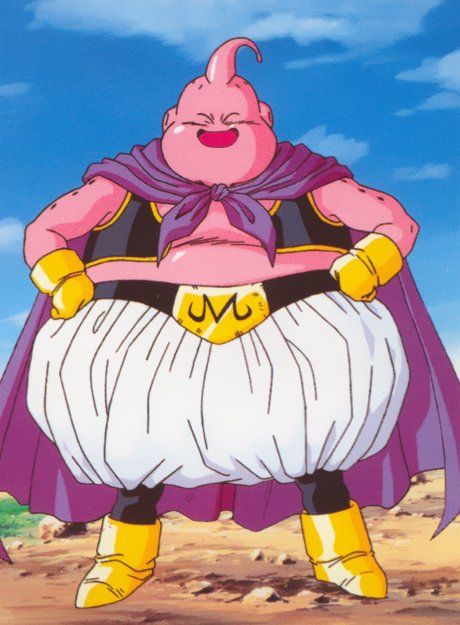
Majin Buu’s story becomes deeply unsettling when told from his perspective. Buu is ancient, powerful, and destructive, yet emotionally infantile. He does not conquer out of ideology. He reacts. He plays. He lashes out. From his view, the world is loud, confusing, and constantly hostile. He is punished for instincts he never learned to control.
Every transformation Buu undergoes reflects an emotional shift, not a strategic one. When he is attacked, he becomes violent. When betrayed, he becomes cruel. When isolated, he becomes destructive. Heroes label him pure evil, yet they never consider that Buu was never taught restraint. He is a godlike child dropped into a universe that responds to confusion with force.
When Buu is finally defeated, it feels less like justice and more like mercy. In a villain-focused narrative, his destruction is tragic but necessary. He is too powerful to coexist with a structured universe. His story becomes one of misplaced existence, a being born into the wrong reality. Dragon Ball rarely asks whether Buu could have been something else. From his perspective, he never had the chance.
Moro: A Villain Afraid of Becoming Irrelevant
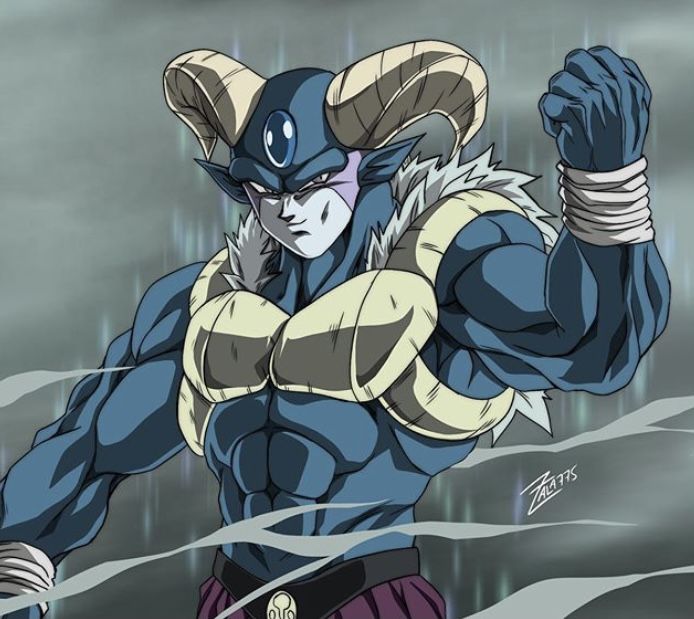
From Moro’s perspective, Dragon Ball becomes a story about aging in a universe that worships strength. Moro is ancient. He remembers a time when magic ruled over raw power, when intellect and patience mattered more than explosive transformations. His return is not just an invasion. It is an attempt to reclaim a place in a world that has moved on without him.
Moro does not see himself as evil. He sees himself as natural selection. He consumes planets the way stars consume fuel. To him, the heroes are unnatural interruptions in a cosmic cycle. Their refusal to accept extinction feels arrogant. When he steals energy, he is not just feeding. He is trying to prove that old power still has meaning in a universe obsessed with the new.
His desperation grows as he realizes that even stolen strength cannot stop evolution. The Saiyans keep adapting. Gods intervene. Rules change mid-conflict. Moro is not just losing a battle. He is watching time erase him. From his point of view, Dragon Ball is a horror story about obsolescence. He is not afraid of death. He is afraid of being forgotten.
Broly: A Child Turned Into a Catastrophe
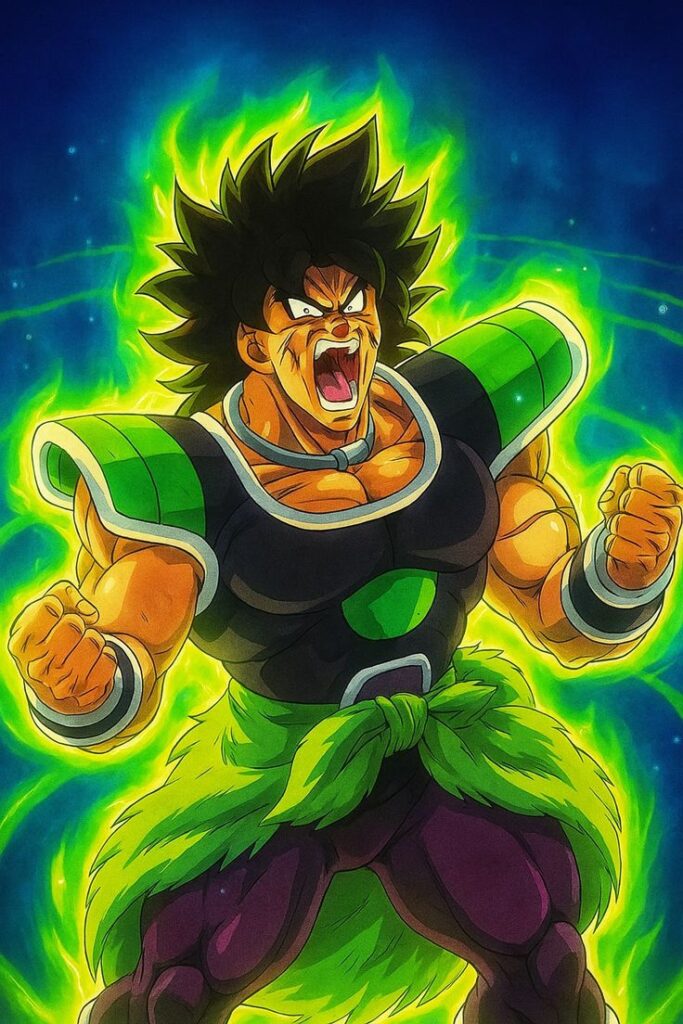
The tragedy of Broly is that he never chose violence. Violence chose him. From his perspective, Dragon Ball is not a heroic saga. It is a survival nightmare that began in childhood. Exiled, hunted, and raised in isolation, Broly grows up without a moral framework that resembles civilization. His power is not ambition. It is trauma given physical form.
Every fight Broly enters is a panic response. He is not trying to conquer Earth. He is trying to survive a world that has only ever shown him hostility. His rage is misunderstood language. He does not speak strategy or pride like other villains. He speaks fear. When pushed, his body answers with destruction because destruction is the only tool he was ever taught.
Seeing the story through Broly’s eyes transforms him from a villain into a natural disaster shaped by neglect. His battles are not evil acts. They are emotional breakdowns on a cosmic scale. When heroes defeat him, the victory feels hollow. They have not conquered malice. They have subdued a wounded child trapped in a body too powerful for his own grief.
Granolah: Revenge That Outlived Its Purpose
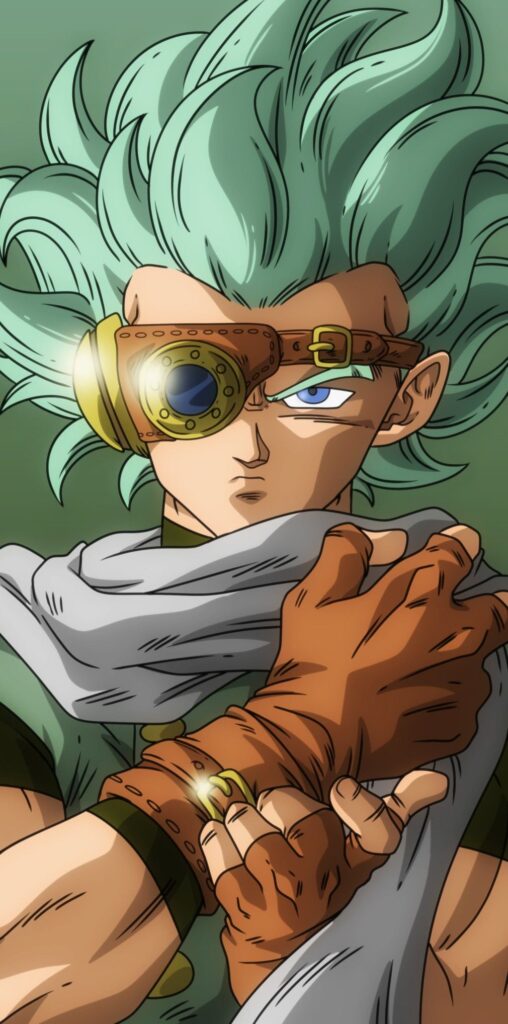
Granolah brings a different kind of villain perspective: inherited hatred. His story is not about domination. It is about memory. Granolah lives inside a wound passed down through history. The destruction of his people becomes the lens through which he sees the universe. Every Saiyan is a ghost from his past.
From Granolah’s point of view, the heroes are not protectors. They are descendants of genocide. His revenge feels righteous because it is anchored in truth. The pain he carries is not imagined. It is documented in ruins and silence. When he fights Goku and Vegeta, he is not chasing glory. He is demanding acknowledgment from a universe that moved on without justice.
The tragedy is that revenge cannot rebuild what he lost. Even if he wins, his people do not return. His anger sustains him, but it also traps him. Dragon Ball rarely pauses to show what happens after vengeance. Through Granolah’s eyes, we see the emptiness waiting on the other side of victory. He is a man racing toward closure that may not exist.
The Villains’ Shared Tragedy: Always One Step Too Early
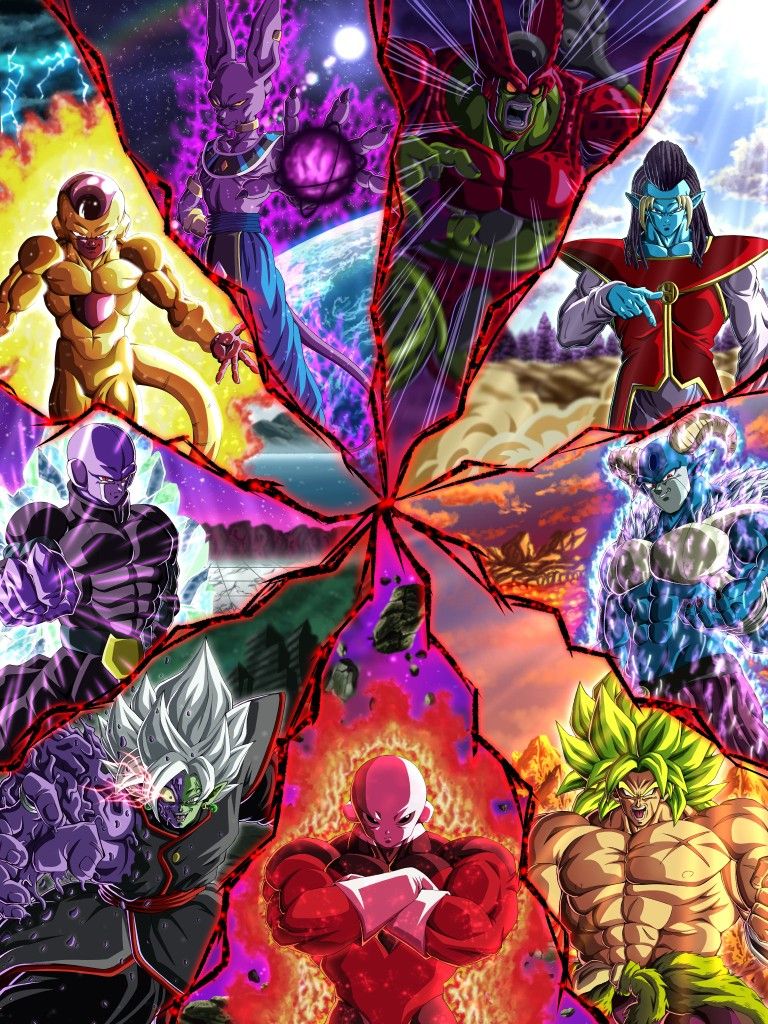
The most striking pattern when viewing Dragon Ball from the villains’ side is timing. Villains are not weak. They are outdated. Each one arrives believing they understand the rules of the universe, only to be destroyed by heroes who rewrite those rules mid-battle. Power scales explode without warning. Transformations emerge from desperation. Limits mean nothing.
From this angle, villains are explorers entering hostile territory. They push boundaries, test strength, and are punished for it. Their losses feel inevitable, not because they are wrong, but because the story demands constant escalation. The universe cannot allow villains to win, so it evolves around them.
This makes Dragon Ball feel less like a battle between good and evil and more like a cycle of replacement. Villains fall so the next threat can rise. They are stepping stones in a narrative that values growth over stability. From their perspective, the universe is cruel, unfair, and obsessed with progress at any cost.
Final Thoughts: A Darker, Deeper Dragon Ball
Telling Dragon Ball from the villains’ perspective transforms the series into something far more complex. Heroes become forces of chaos. Power becomes unstable. Victory feels temporary and fragile. Villains stop being monsters and start becoming tragic figures crushed by a universe that refuses to slow down.
This perspective does not excuse their actions, but it explains them. It shows that Dragon Ball is not just about saving the world. It is about surviving in a reality where strength is never enough. And sometimes, the ones labeled villains are simply those who could not keep up with a story that never stops moving forward.