
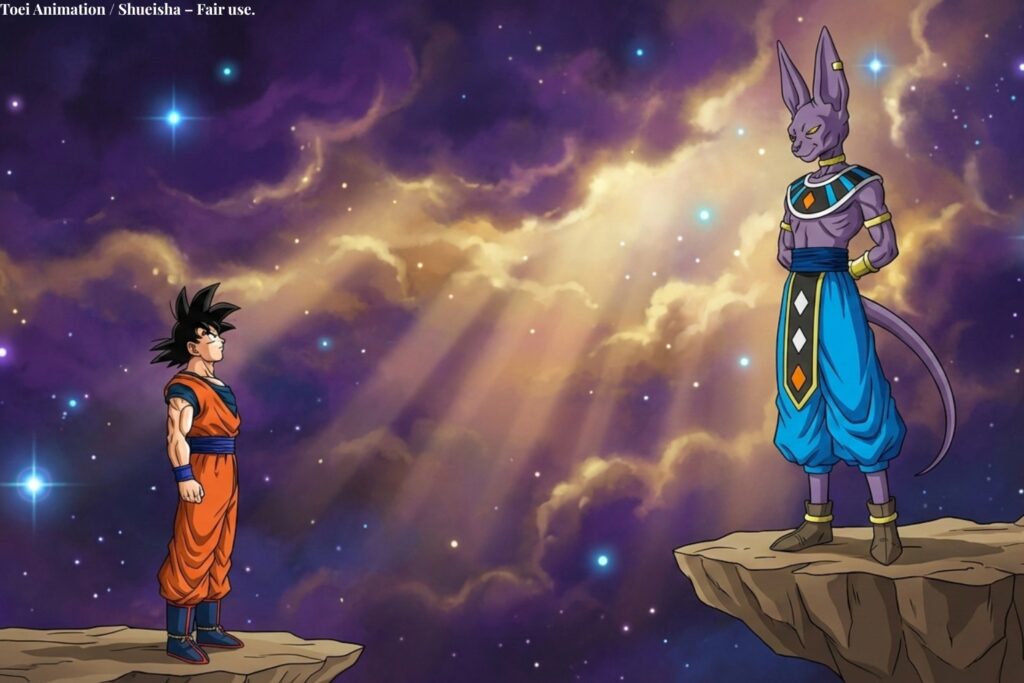
After years of waiting and speculation, Dragon Ball Super is officially returning with a reimagined anime project centered on one of the franchise’s most iconic characters: Beerus, the God of Destruction. At the Dragon Ball Genkidamatsuri 2026 event — part of the series’ 40th anniversary celebrations — Toei Animation announced that Dragon Ball Super: Beerus premiered on Sunday, October 11, 2026.
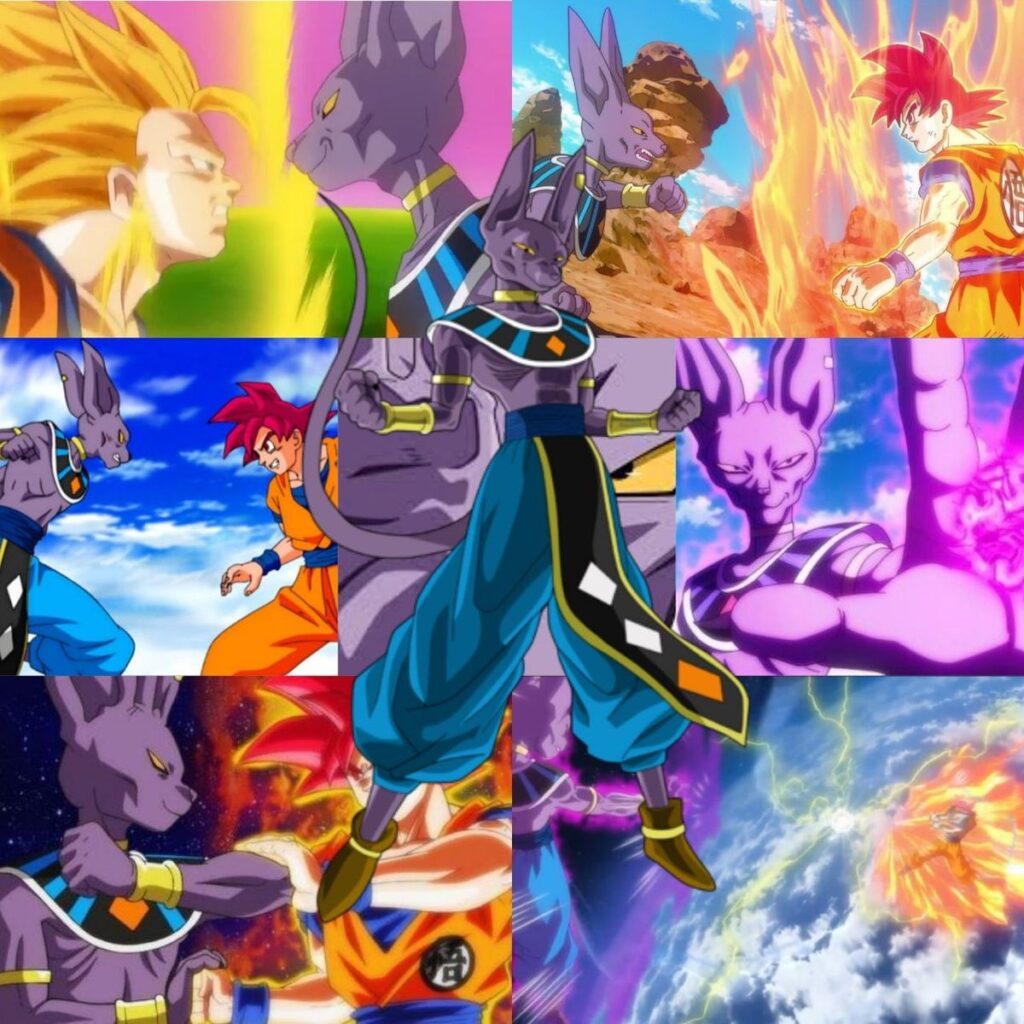
This new anime is described as an “enhanced edition” of the original series, revisiting Beerus’ debut arc — the story of his awakening and first encounter with Goku — with upgraded animation, newly added cuts, redrawn visuals, updated sound design, and a story reconstruction that more faithfully reflects the original vision by Dragon Ball creator Akira Toriyama.
What Makes Dragon Ball Super: Beerus Different?
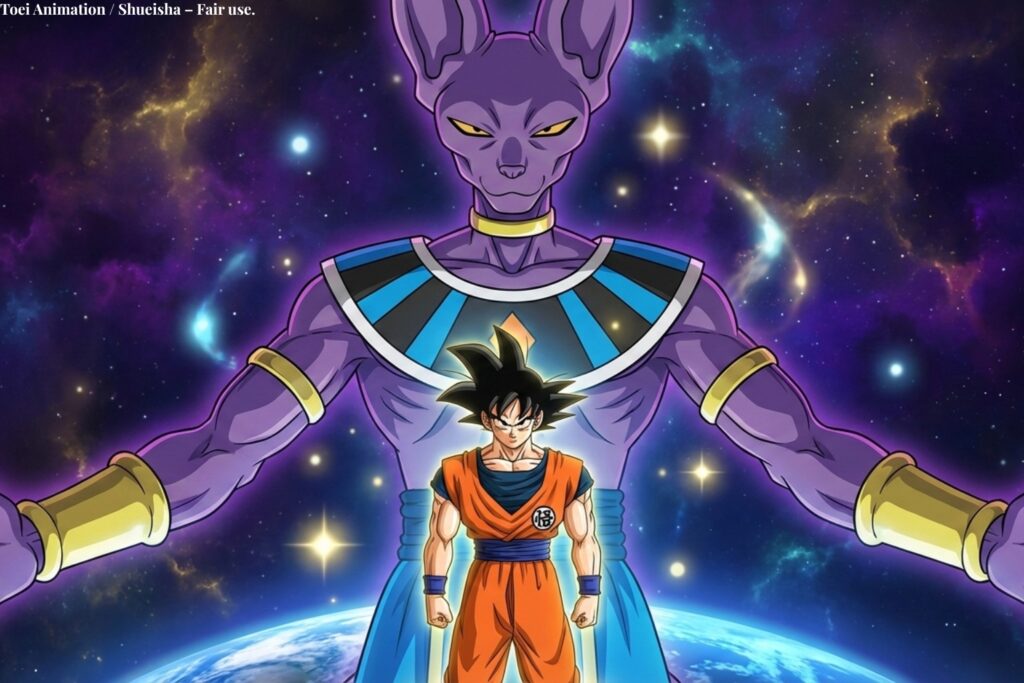
Unlike a simple remaster or re-airing of old episodes, Dragon Ball Super: Beerus is being presented as a fully re-built anime project.
According to official announcements:
- The anime will reconstruct key scenes from the Beerus Saga with new animation and storytelling structure.
- Newly recorded voice acting and additional sound effects and musical scoring will be added.
- The narrative is designed to be closer to Toriyama’s original concepts, with enhanced battle scenes and more detailed character moments.
This approach is similar in spirit to other high-quality anime remakes — where visuals, pacing, and storytelling are all elevated to modern standards instead of relying solely on legacy footage.
Confirmed Premiere Date
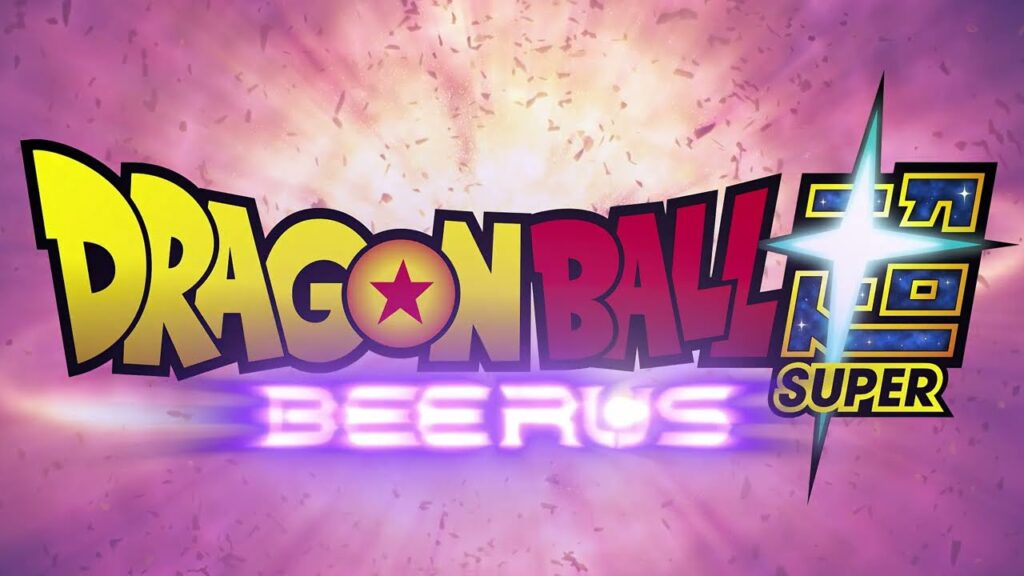
Dragon Ball Super: Beerus premieres Sunday, October 11, 2026, at 11:15 p.m. Japan time (7:15 a.m. Pacific) on Fuji TV, taking over One Piece’s timeslot while One Piece is on break until 2027.
Where to Watch
- Crunchyroll — subtitled, from October 11 (US, Canada, Latin America, Australia, New Zealand, South Africa, India, Southeast Asia, Europe)
- Hulu — from October 11
- Netflix — from October 14 in select regions, October 17 in the US
What to Know
The series is a 19-episode rebuild of the Battle of Gods arc with new and redrawn animation, new scenes, newly recorded voices, and a reconstructed story. Episode 1 already premiered at New York Comic Con on October 8.
Why This Release Matters

This isn’t just another anime announcement. Dragon Ball Super: Beerus marks the first major return of the Dragon Ball Super anime timeline since the series originally ended in 2018 — a gap filled largely by manga chapters, films, and spin-off projects. While Dragon Ball Super: The Galactic Patrol is also in production as a continuation of the story, Beerus reconnects the franchise to its roots by revisiting the arc that introduced divine elements and reshaped the series’ direction.
Moreover, the project serves as both a celebration of the franchise’s legacy and a bridge to its future, aiming to reengage longtime fans while drawing in new viewers with an enhanced visual and narrative experience.
What Fans Can Expect Next
As the production schedule ramps up, fans can look forward to:
- Merchandise and soundtrack releases tied to the anime launch
With the series now airing after its October 11, 2026 premiere, new episodes arrive weekly, building to a major moment for Dragon Ball Super and anime fans globally.
Final Take
Dragon Ball Super: Beerus is more than a remake — it’s a rebuild of a foundational arc designed to bring modern animation quality and storytelling depth to one of the franchise’s most pivotal moments.
Now airing after its October 11, 2026 premiere, Beerus is poised to reignite excitement for Dragon Ball Super in a way fans have waited nearly a decade for.
Additional Details From Our Coverage
- Veteran voice actors Masako Nozawa (Goku) and Koichi Yamadera (Beerus) appeared on stage at the Genkidamatsuri reveal — underlining the project’s prestige and its importance to the franchise’s future.
- Episode structure: the series is listed at 19 episodes covering the Beerus, Golden Frieza, and Universe 6 arcs — a focused run with tighter pacing than the 2015 original.
- What “enhanced” means in practice: newly added animation cuts, fully redrawn scenes, and a reconstructed narrative — better fight choreography pushing the cosmic scale, cleaner and more consistent character art, and possible lore alignment with later-established canon.
- Strategic role: a 40th-anniversary celebration and a warm-up for casual viewers before The Galactic Patrol — possibly step one of a larger Super comeback strategy. Beerus is the hinge that launched modern Dragon Ball: the god-level ceiling, the Super Saiyan God ritual, and the divine hierarchy.
The Road to October 11: How This Premiere Came Together
Premieres this size are built, not born — week by week, out of announcements, trailers and anticipation. The road to October 11 ran through Dragon Ball’s 40th anniversary era, when the franchise was already in a reflective mood: celebrating four decades of Goku while quietly preparing its next moves. The Dragon Ball Genkidamatsuri 2026 event became the launchpad, where Toei Animation unveiled Dragon Ball Super: Beerus as a full rebuild of the 2015 Beerus saga — reconstructed scenes, redrawn animation, newly recorded voices, and a story pass meant to sit closer to Akira Toriyama’s original concepts. For longtime fans it was a homecoming; for newer ones, a front door.
Then the trailer detonated. By October 6 it had passed 5.9 million views and — as this site reported at the time — broken Netflix’s anime trailer view record. A trailer for a remake of a story first told in 2015 had outperformed every anime trailer Netflix had ever hosted. The anniversary gave the project its occasion and the Genkidamatsuri stage its reveal; the trailer supplied the proof of demand. Millions of people were not merely aware of the Beerus rebuild — they were hungry for it.
October 11 delivered payoff and chaos together. The series premiered on Fuji TV on Sunday night, with Crunchyroll and Hulu carrying it the same day — and premiere-day demand crashed Crunchyroll. Platforms do not buckle for modest launches; they buckle when the audience exceeds every forecast. Then came the staggered global rollout: Netflix picked the series up in select regions beginning October 14, with the United States following on October 17, each new window pulling another wave of viewers into the same weekly rhythm. Within weeks, an anniversary announcement had become a genuine global streaming event — and with new episodes arriving every Sunday, the story was only beginning.
Premiere Day, Retold
It started in Japan, as it had to. Sunday night, October 11, 11:15 p.m. on Fuji TV: Beerus back on television, the God of Destruction’s debut arc returning with modern animation and a rebuilt structure. For the Japanese broadcast audience this was the purest version of the night — the arc that introduced divine power to the franchise, airing again in the Sunday slot where so much Dragon Ball history has unfolded, sharpened by newly added cuts and fully redrawn scenes.
Across the rest of the world, the same day played out in parallel on the simulcast services. Crunchyroll and Hulu carried the premiere on October 11, and demand was so intense that Crunchyroll went down under the load — the night this site’s own coverage captured as fans breaking the internet again. There is a particular folklore to a premiere like this: the error screens, the refresh-button rituals, the group chats filling with people confirming it was not just them. The crash was an inconvenience, but it was also a coronation — real-time proof that this remake’s audience stretched far beyond a nostalgia niche.
Then came the second and third acts of a premiere that behaved like a week. In select regions, the series began a Top-5 chart run on Disney+ — an unusual second home for a simulcast anime, and a sign the audience extended past the usual simulcast crowd into living rooms that discovered the show through the charts themselves. The largest holdout did not wait long: Netflix in the United States launched the series on October 17, the Saturday after the premiere, folding Beerus into the very platform where its trailer had already made history. By the time Episode 2 arrived on October 18, the “premiere” had become a rolling event — Japan’s broadcast, the global simulcast, the chart runs, then Netflix — each platform its own opening day, each feeding the next Sunday’s appointment.
What This Release Proved About Dragon Ball in 2026
Step back from the dates and platforms, and the strangest fact of the whole affair is hiding in plain sight: this was a remake of a 2015 arc. Every longtime fan had already seen this story — Beerus wakes, Goku becomes a god, the universe gets bigger. Yet that familiar story became a global streaming event that crashed a major platform on day one. That is not how fading franchises behave. The appetite on display was not for novelty alone; it was for Dragon Ball itself, delivered with modern craft, on a schedule the whole fandom could share.
The second proof is that weekly appointment viewing still works in the binge era. The staggered rollout — broadcast Sunday night in Japan, same-day simulcast, Netflix days later — could have fragmented the conversation; instead it serialized it. Episode 2 on October 18 and Episode 3 on October 25 function the way release dates used to function: fixed points on a shared calendar, a reason for the fandom to gather at the same time over the same hour of television. The binge model promises everything at once; the Beerus premiere was a reminder that sometimes the strongest release strategy is a date everyone circles together.
The third proof is about what comes next. A franchise that can turn an eleven-year-old arc into the loudest anime launch of the season is not running on fumes — it is running on an audience willing to show up on schedule for this universe, which is exactly the audience a continuation needs. That continuation is already on the books: Dragon Ball Super: The Galactic Patrol is in production as the next chapter of the story, with the Galactic Patrol timing still to be announced. The Beerus rebuild was the celebration and the warm-up; the future, whenever its date is set, already has a proven crowd waiting for it.
| Date / Moment | What Happened |
| October 6, 2026 | Trailer crosses 5.9 million views, breaking Netflix’s anime trailer view record, as this site reported |
| October 11, 2026 | Series premieres on Fuji TV; same-day simulcast on Crunchyroll and Hulu; premiere-day demand crashes Crunchyroll |
| October 17, 2026 | Netflix US launch (select regions had begun on October 14) |
| October 18, 2026 | Episode 2 airs |
| October 25, 2026 | Episode 3 airs (upcoming at the time of writing) |



Pingback: Every Beerus Fight in Dragon Ball, Ranked
Pingback: Is Dragon Ball Daima Season 2 Confirmed? (2026 Truth)