Dragon Ball has expanded far beyond martial arts tournaments and planet level threats. The introduction of Gods of Destruction, Supreme Kais, Angels, and Zeno reshaped the entire power structure of the universe. Divinity is no longer symbolic. It is political, hierarchical, and strategic.
Yet when you look closely, several characters in the franchise seem almost designed for godhood. Not just because of their strength, but because of their mindset, growth, and philosophical depth.
Based on years of story development and character evolution, here are the Dragon Ball characters who arguably should have become gods.
What “Becoming a God” Actually Means in Dragon Ball
Before ranking candidates, it helps to define the job openings, because “god” in Dragon Ball is not one title but a whole hierarchy. At the planetary level sits the Guardian of Earth, a role Kami held and later passed to Dende: it is an appointed position, handed from predecessor to successor, and it demands a pure heart more than raw power. The Guardian watches over a single planet, and the job is closer to caretaker than conqueror.
Above the Guardians stand the Kais and Supreme Kais, who oversee creation across the universe — and here the rules change. Supreme Kais are generally born into their role as members of a divine race rather than promoted from mortal ranks, which immediately complicates the case for any mortal candidate. Then there are the Gods of Destruction, the most attainable seat for a mortal: they are chosen and trained, paired with an Angel attendant, and granted the authority to destroy. Angels themselves sit outside all of this — they are born into service, bound by strict neutrality, and no mortal can become one.
This matters because each chair requires something different. A Guardian needs purity and vigilance, a Supreme Kai needs creative wisdom and patience, and a God of Destruction needs overwhelming power plus the judgment to use it sparingly. Mortals have even learned to wield god ki itself through ritual and training, as Goku and Vegeta demonstrated — so the barrier was never purely about energy. With that framework in place, here is my honest assessment of each candidate: what divine role they actually fit, and the real reason the story never gave it to them.
Related reading: What Is God Ki in Dragon Ball: Full Explanation · The History of the Destroyer Gods Explained
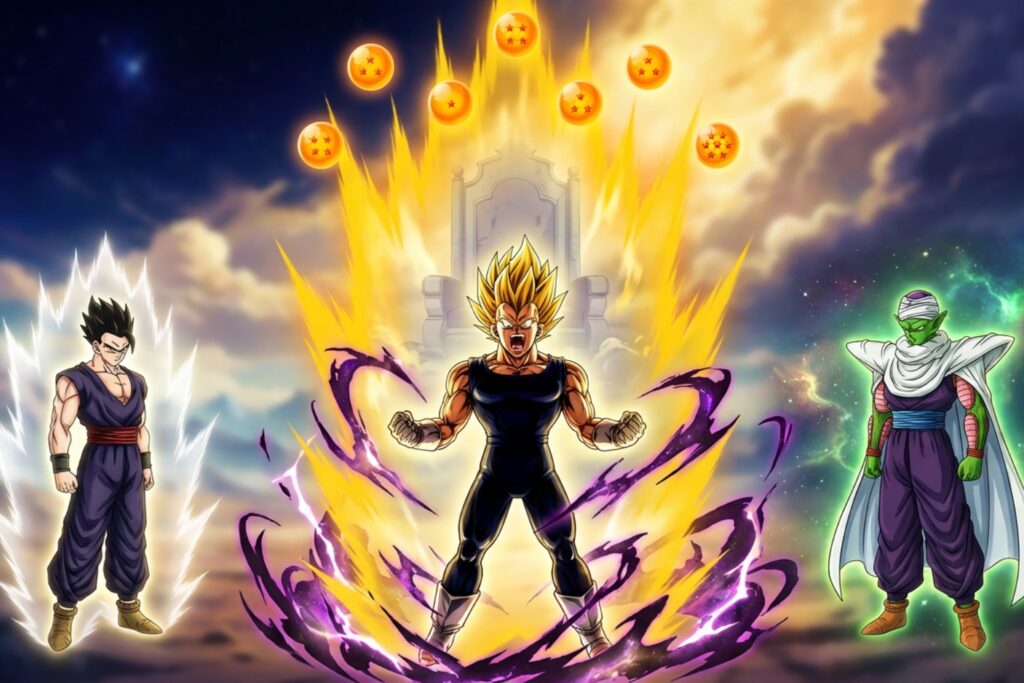
Gohan Was Built for Supreme Kai Status
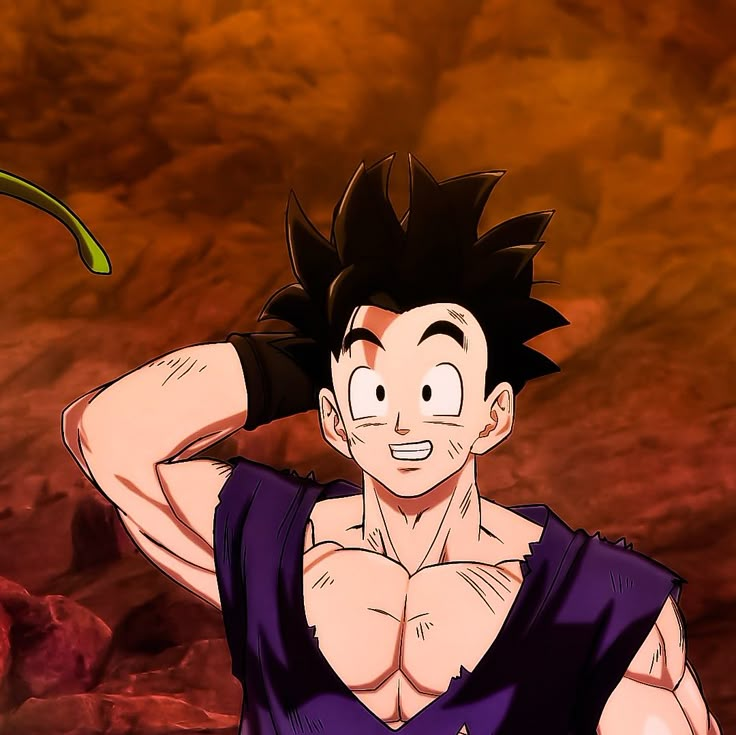
Gohan is one of the most complex characters in the entire franchise. Unlike Goku, he does not crave battle. Unlike Vegeta, he does not seek dominance. His power often awakens in defense of others rather than personal ambition.
That temperament aligns more closely with the role of a Supreme Kai than a Saiyan warrior.
Supreme Kais are not destroyers. They are creators and overseers of life. Gohan’s intelligence, compassion, and restraint make him uniquely suited for that role. Even his Mystic form suggests divine potential.
In my opinion, the series missed an opportunity by not exploring Gohan’s path toward divine mentorship. He has the emotional balance that many gods in the series lack.
Start with who he is: Goku’s eldest son, a scholar as much as a warrior, whose defining trait across every saga is restraint — he only fights when no one else can, and he holds back even then. The case for his divinity is the strongest thematic fit on this list: his latent potential was drawn out by the Old Kai himself in the ritual mentioned above, meaning a literal god already invested in his ascension. His compassion, intellect, and reluctance to destroy mirror the Supreme Kais far more than any Destroyer — they are creators and overseers, not executioners. If any mortal has the temperament of a Supreme Kai, it is the fighter who asked Cell to stop before he was forced to surpass him.
The honest obstacle is cosmic hiring policy: Supreme Kais are born into their role, not promoted, so there is no application process for Gohan to complete — and the story has never suggested making an exception. Just as important is Gohan’s own choice: he built a scholar’s life and a family, and his training has always been inconsistent because peace, not power, is what he wants. Godhood is a permanent post with no resignation letter, and Gohan already declined that kind of life. The series also needs him exactly where he is — the bridge between the human world and the warrior world — which a throne would destroy.
Vegeta as a God of Destruction
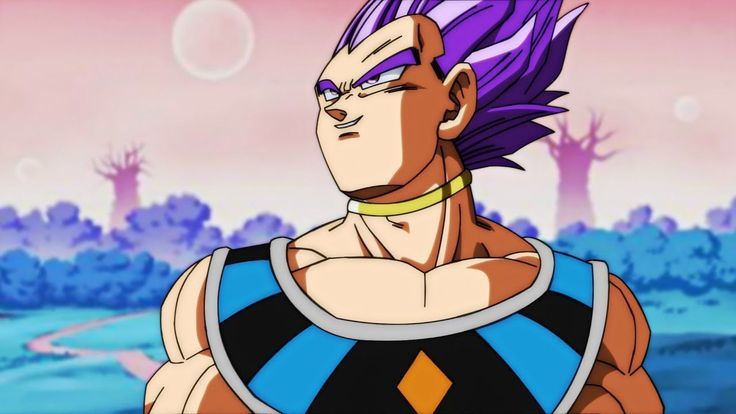
At first glance, this seems obvious. Vegeta has the pride, the aggression, and the combat instinct that fits a Destroyer. But what makes him truly interesting is his evolution.
Early Vegeta would have destroyed recklessly. Modern Vegeta understands consequence. He carries guilt. He reflects on past actions. That balance between destruction and responsibility is exactly what a God of Destruction must master.
His training under Beerus hints at this possibility. He has already embraced techniques aligned with destruction energy. If Dragon Ball ever replaces Beerus, Vegeta feels like the most narratively satisfying successor.
Vegeta’s is the longest redemption arc in the franchise: the genocidal prince of a dead race who blew himself up trying to atone as Majin Vegeta, and who now fights for his family, his rival, and his universe. No candidate has a stronger canonical résumé for the Destroyer’s seat. He trains directly under Beerus, has learned to channel destructive energy through Hakai, and awakened Ultra Ego — a divine technique rooted in the Destroyer’s own mindset of embracing destruction. The story, in my opinion, has been quietly auditioning him for years: every lesson Beerus teaches him doubles as a job interview.
But a God of Destruction must destroy on schedule and without sentiment — Beerus erases planets between naps and never loses sleep over it. Vegeta’s attachments are precisely what would disqualify him: a Destroyer who hesitates because the planet below holds his wife, his children, and his people’s legacy is a Destroyer who cannot do the job. There is also the matter of ambition: Vegeta fights to surpass limits, not to administer cosmic balance. He would take the power in a heartbeat and chafe at the paperwork forever — which is exactly why the narrative keeps him standing next to the throne instead of on it.
Piccolo as a Divine Overseer
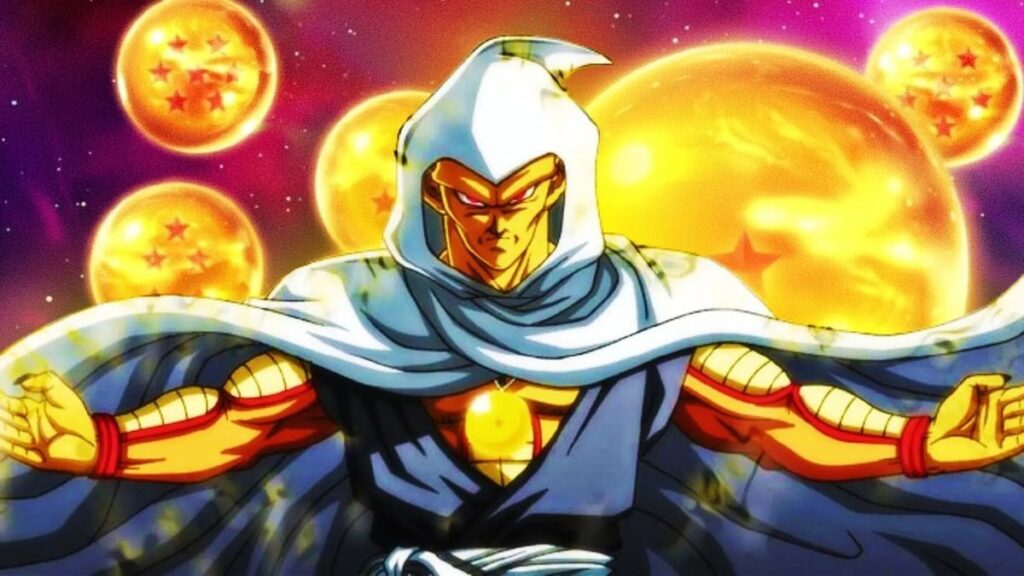
Piccolo has always operated somewhere between mortal and divine. He was once connected to Kami. He carries Namekian wisdom. He values balance over ego. And unlike many Saiyans, he thinks before acting.
From what I have seen, Piccolo’s leadership style feels closer to divine stewardship than raw warfare. He guides others. He trains patiently. He observes before intervening. If Dragon Ball ever expanded its cosmic hierarchy further, Piccolo stepping into a divine advisory role would feel natural.
Piccolo’s connection to godhood is literal, not metaphorical: he is the expelled darkness of the Nameless Namekian who became Earth’s Guardian, and when he fused back with Kami he reunited the demon and the god into something neither had been alone. Since then he has been the series’ quiet steward — raising and mentoring Gohan from childhood, training Goten and Trunks, and standing sentinel over Earth again in recent stories. He leads through restraint and responsibility rather than dominance, which is the job description of a divine overseer wearing a warrior’s clothes.
The practical problem is that Earth’s Guardian chair is already occupied by Dende, and Piccolo has never once shown interest in watching the planet from the Lookout full-time. He is a mentor who works in the field, not an administrator who works from a palace — enthroning him would waste the very qualities that make him valuable. There is also a thematic ceiling: Piccolo’s story is about a demon who chose to become a guardian in spirit, and formalizing that into a title would flatten the choice that defines him.
Future Trunks as a Guardian Figure
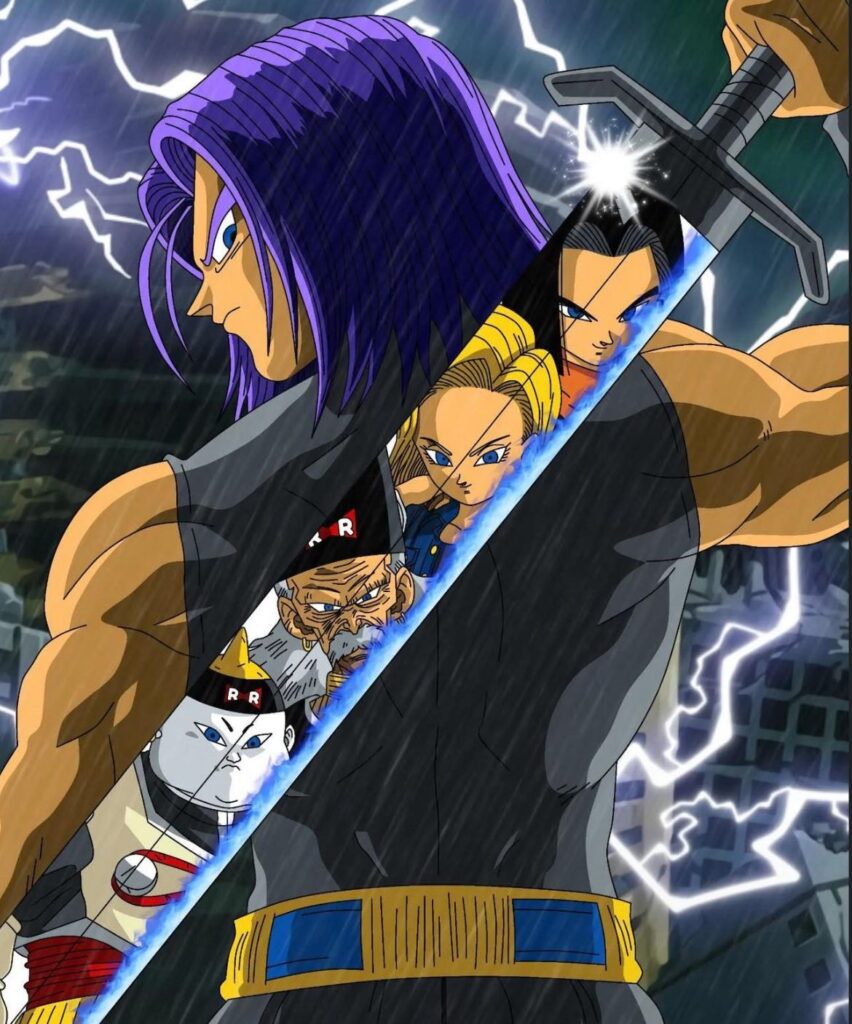
Future Trunks understands loss in a way few characters do. He has lived through apocalypse. He has carried the burden of protecting a dying world. His strength is paired with responsibility, not arrogance.
Godhood in Dragon Ball is not only about power. It is about perspective. Trunks has the rare ability to act decisively while still valuing life. That combination makes him a strong candidate for a Guardian type role.
Future Trunks is the only major hero defined by surviving failure: his timeline fell first to the androids and then to Zamasu, a rogue Supreme Kai, whom he faced as a mortal and helped defeat. He forged the Spirit Sword from the hope of others and carried the memory of everyone he couldn’t save — which gives him something no god in the series reliably has: perspective on what existence costs. As a Guardian figure, he would be the god who never forgets the people below, because he was one of them when the sky fell.
But everything Trunks fought for was a normal life — the future he saved is one where he doesn’t have to fight, and godhood would chain him to eternal duty, the opposite of his reward. His timeline’s divine hierarchy was also wiped out, and rebuilding cosmic order around a time-traveler invites exactly the paradoxes the series avoids. He earned peace, not a promotion, and the kindest thing the story can do for him is let him keep it.
Android 17 as a Universal Protector
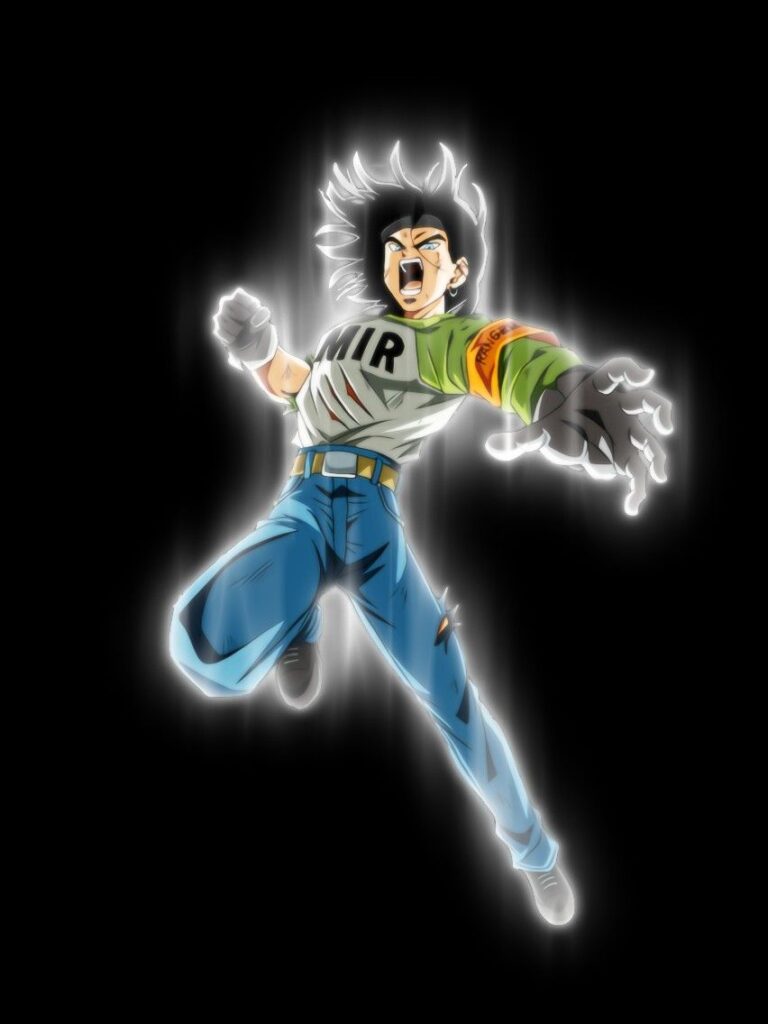
Android 17’s evolution in Dragon Ball Super was one of the most surprising developments in the series. He went from silent fighter to strategic protector. His wish at the Tournament of Power showed long term thinking and selflessness.
A character who values balance and protection over dominance fits perfectly into a god tier narrative role. In many ways, 17 demonstrated more maturity during the multiverse crisis than several divine beings present.
Android 17 is a former human turned cyborg who walked away from the battlefield to become a park ranger, spending his days protecting wildlife on a remote island — he already holds a guardian’s job, just without the title. In the Tournament of Power he outlasted the champions of gods through stamina, strategy, and self-sacrifice, throwing himself in front of an attack meant for Goku and Vegeta. He values balance and protection over dominance, and during the multiverse crisis he showed more composure than several divine beings watching from the stands.
The honest answer is that 17’s greatest strength is his indifference to cosmic status — he fought because the stakes were real, then went home to his island and his family. A divine protector’s role would drag him straight back into the politics of the gods, and 17 has zero interest in hierarchy. Thematically, too, he works best as proof that mortals matter: the everyman who stood equal with universes. Putting a crown on him would undercut the very point his story makes.
Broly as a Controlled Force of Destruction
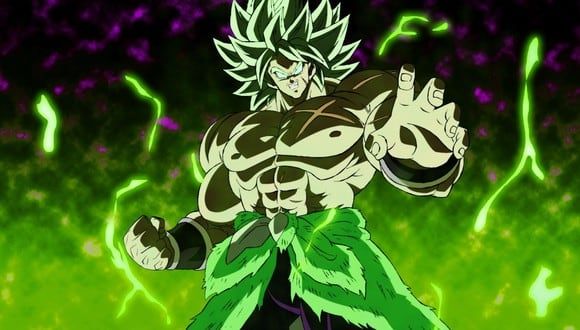
Broly represents raw divine scale power. But unlike earlier portrayals, his recent characterization shows innocence beneath the strength.
If properly trained, Broly could embody a different kind of God of Destruction. Not one driven by pride, but one shaped by discipline and guidance. His potential is enormous. The question is whether the narrative allows him to grow beyond rage.
The Broly of the 2018 film — the canon version — is a gentle soul raised in exile on Vampa and weaponized by his father and Frieza, a victim far more than a villain. His power scales with his rage to levels that forced Goku and Vegeta to fuse into Gogeta, which is raw divine-scale output paired with an innocent heart underneath. Under informal training alongside Goku and Vegeta, the series is deliberately domesticating a force of nature — teaching control to someone whose ceiling may be the highest of any mortal alive.
But a God of Destruction must destroy on command, on schedule, and with precision — and Broly’s rage is triggered, not directed. The one thing he cannot yet reliably do is stop, and until his control is absolute, handing him Beerus’s job would be cosmic malpractice. The story also seems to want him as a rival and friend rather than a functionary; his innocence is the entire point of his character, and godhood would spend it. He is a weapon learning to be a person — the worst possible time to give him a divine office.
Why Goku Was Never Meant to Be a God
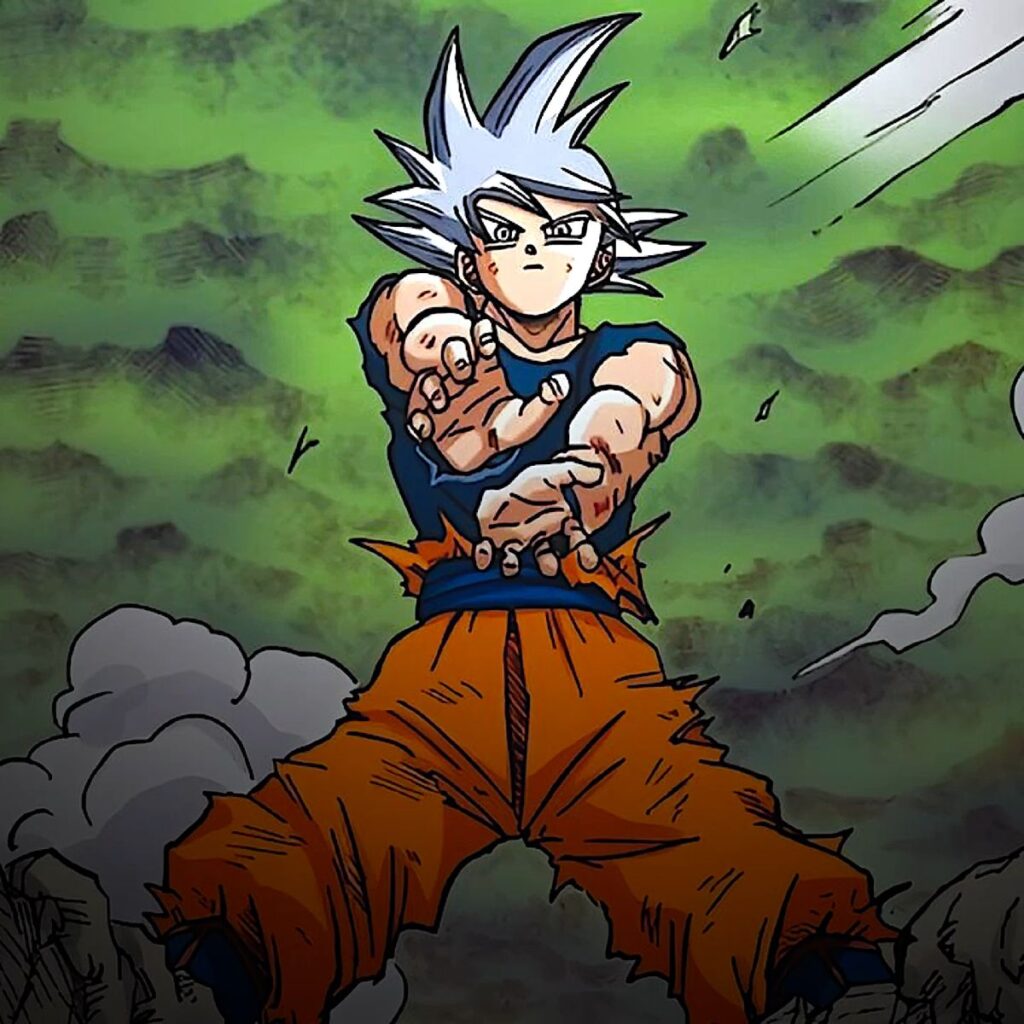
Many fans assume Goku should ascend fully into divine ranks. But Dragon Ball repeatedly avoids this path. Goku seeks growth, not authority. He loves challenge, not governance. Becoming a god would limit his freedom.
In my opinion, that is intentional. Goku is more powerful when he remains outside systems. He thrives as a warrior who breaks limits, not as one who enforces cosmic rules.
There is a final irony worth stating outright: Goku already wields Ultra Instinct, a technique of the Angels — beings who outrank even Gods of Destruction — and he once turned down the Guardian’s chair when Kami offered it to him. He collects divinity the way other fighters collect techniques: as training, never as title. That is the cleanest proof of this article’s thesis — in Dragon Ball, godhood was never the prize. It was always just another room, and Goku prefers the hallway.
The Larger Question About Godhood
Dragon Ball gods are not perfect. Beerus sleeps excessively. Supreme Kais have made questionable decisions. Even angels operate under strict neutrality.
This raises an interesting possibility. Perhaps godhood in Dragon Ball is not the final stage of evolution. Perhaps it is simply another role within a flawed hierarchy.
Many mortal characters have shown more growth than some divine beings. That is what makes this debate fascinating.
Who Would Have Made the BEST God?
If I must crown one candidate, my vote goes to Gohan — not because he is the strongest, but because he is the only one whose personality already matches an existing divine job description. The Supreme Kais are creators and overseers who value life, think before acting, and restrain their own power; that is a character sheet for Gohan with the serial numbers filed off. He has the power to enforce divine will and, more importantly, the wisdom to rarely need to.
The counterargument deserves its weight: if “best” means “most likely to actually get the job,” it is Vegeta and it is not close. He is the only candidate the current canon is actively grooming — Destroyer mentorship, divine technique, and a narrative that keeps seating him at Beerus’s table. Gohan fits the holier half of the hierarchy; Vegeta fits the half the story is actually hiring for.
My final verdict comes down to what Dragon Ball’s cosmos actually lacks. Its gods do not suffer from a power deficit — they suffer from a wisdom deficit. Beerus sleeps through crises, the Supreme Kais dither, and the Angels are forbidden from intervening. The hierarchy needs judgment more than firepower, and that is exactly the gap Gohan — or Piccolo — would fill. So: the best God of Destruction would be Vegeta, but the best god, full stop, would be Gohan.
Frequently Asked Questions
Can a mortal become a God of Destruction?
Yes. Gods of Destruction can be replaced. Mortals with sufficient power and training could potentially inherit the role.
Is Gohan stronger than the Supreme Kais?
In combat terms, yes. But godhood involves more than strength.
Will Vegeta replace Beerus?
There is no official confirmation. However, his training and narrative arc make it a strong possibility.
Could Piccolo become a god?
There is no current storyline indicating this, but his temperament fits divine oversight.
Can any mortal learn god ki?The series suggests yes. Goku and Vegeta both learned to wield god ki despite being mortals — Goku through the Super Saiyan God ritual and both through training under the Angel Whis. God ki is a skill that can be taught, which is why mortals keep knocking on divinity’s door. Our full explainer breaks down how god ki actually works.
Is godhood about power, or something more?Power is the entry fee, not the job. Every divine role we have seen — Guardian, Kai, Destroyer — is defined by duty and temperament rather than battle strength. That is why characters like Piccolo and Gohan rank so high on this list despite rarely being the strongest fighters in the room.
Final Thoughts
Dragon Ball has expanded its universe dramatically over the years. Power scaling is no longer limited to planets. It reaches across multiverses and divine realms. Yet some of the most compelling god candidates are not defined by power alone. They are defined by growth, perspective, and responsibility. Gohan has balance. Vegeta has evolution. Piccolo has wisdom. Android 17 has maturity. If Dragon Ball ever reshapes its cosmic hierarchy again, these characters stand out as the ones who should have become gods.