God Ki is one of the most important power concepts introduced in modern Dragon Ball. Many fans hear the term often but still feel confused about what it really means and how it is different from normal energy. God Ki changed the entire power system of Dragon Ball and separated god-level fighters from regular warriors.
In this article, you will learn what God Ki is, how it works, who can use it, and why it is so important in Dragon Ball.
What Is God Ki in Dragon Ball
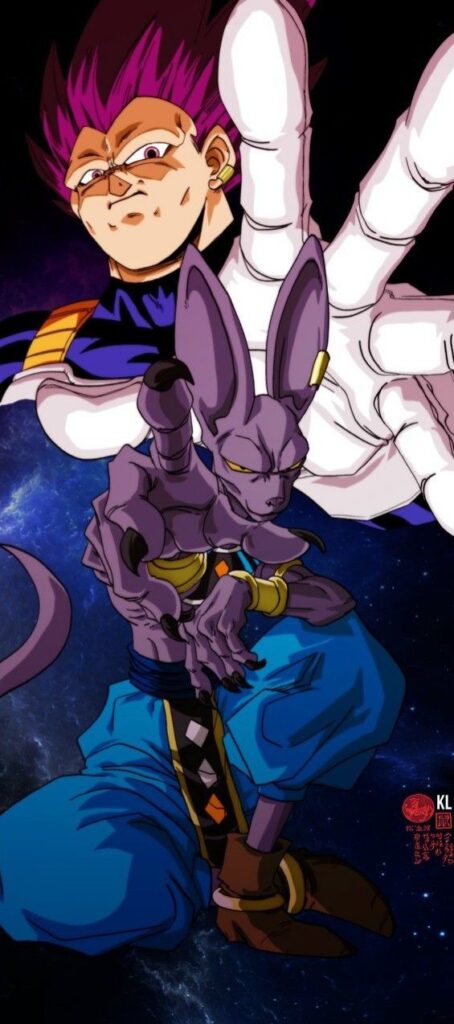
God Ki is a special type of energy used by gods and god-level beings in the Dragon Ball universe. Unlike normal ki, God Ki cannot be sensed by regular fighters. Only those who possess divine power or have trained under gods can feel or use it.
God Ki represents a higher and more refined form of energy. It focuses on control, calmness, and balance rather than raw explosive power.
Difference Between Normal Ki and God Ki
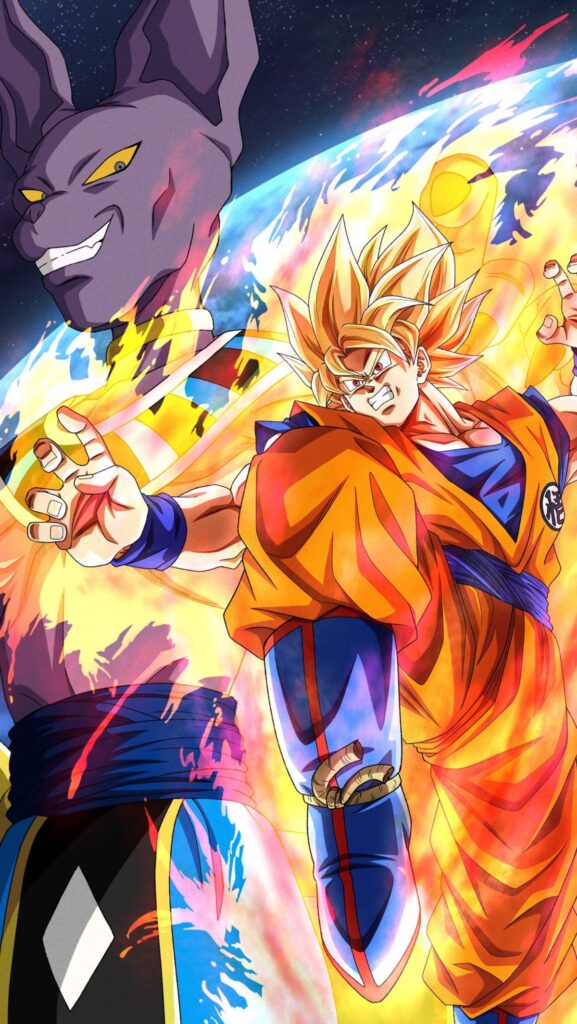
Normal ki is the energy used by most fighters in Dragon Ball. It can be sensed easily and often leaks out when a character powers up.
God Ki works differently. It is perfectly contained inside the body. This makes the user stronger without wasting energy. Because of this control, fighters using God Ki often appear calmer even when they are extremely powerful.
Another key difference is that normal fighters cannot sense God Ki unless they also possess divine energy.
How God Ki Sensing Works — and Why It Matters in the Story
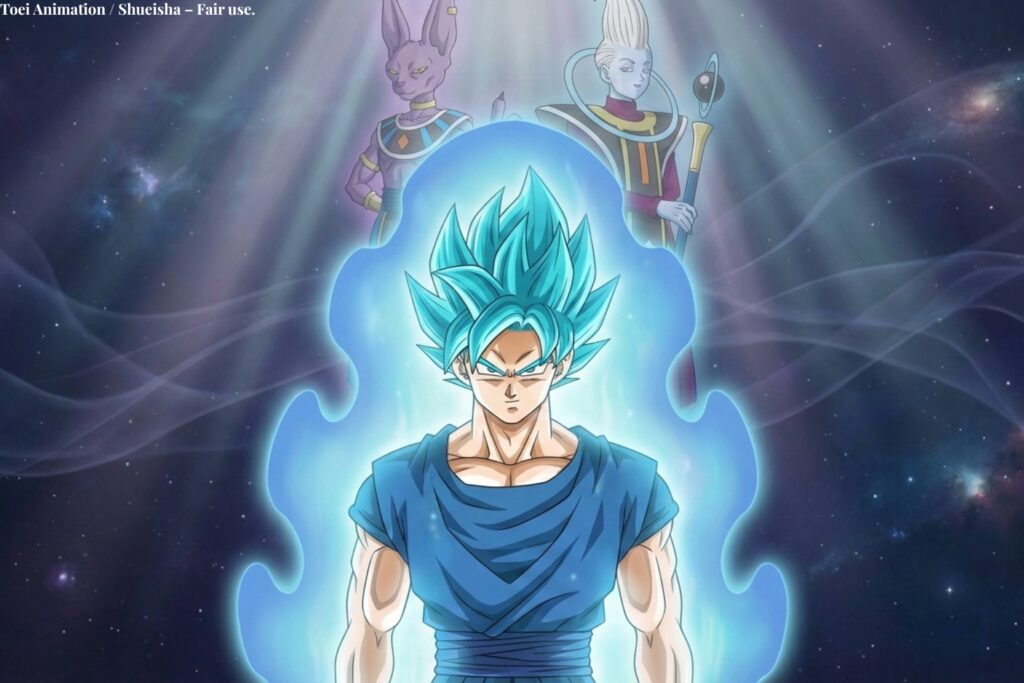
The clearest proof of god ki’s nature comes from Dragon Ball Z: Battle of Gods (2013). When Goku ascended to Super Saiyan God, Piccolo openly admitted he could no longer sense Goku’s ki at all — and Gohan, Goten, Trunks, and the others agreed. Goku himself confessed he could not even tell how strong he had become. The rule is absolute: mortals without divine energy cannot perceive god ki. Only true gods (Beerus, Whis, the Supreme Kais), angels, and mortals who have unlocked god ki themselves or trained directly under divine beings can sense it.
This sensing gap shapes the story itself. When Beerus arrived on King Kai’s planet at the start of Battle of Gods, no one could measure the Destroyer’s power — Goku charged in blind. Later, as Goku fought Beerus above Earth, the Z-Fighters could only watch the sky and guess, because a clash of god ki registers as nothing to mortal senses. It is also why Vegeta’s six months of training under Whis mattered so much: before he could rival a god, he first had to learn to feel an energy he had never been able to perceive.
How God Ki Was Introduced in Dragon Ball
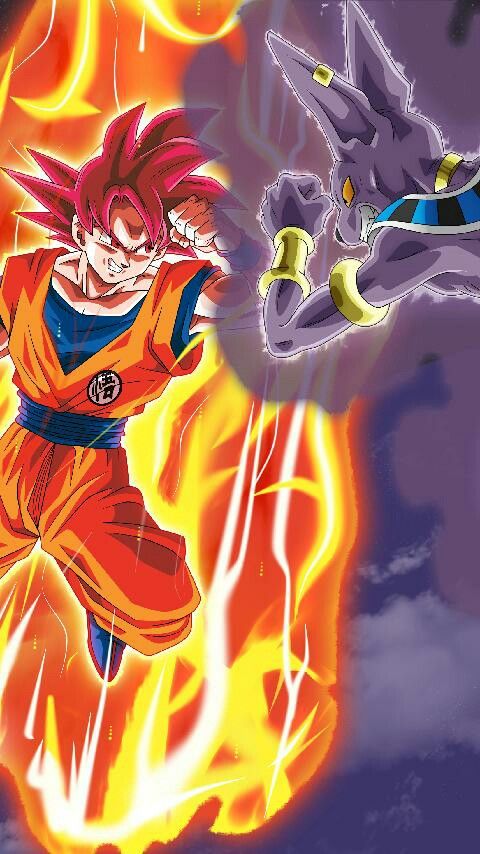
God Ki was first introduced when the concept of gods entered the Dragon Ball story. The idea became important when mortal fighters began reaching levels close to divine beings.
This introduction allowed the story to expand beyond traditional power scaling. Instead of just stronger transformations, Dragon Ball added a new energy system that required discipline and spiritual balance.
Who Can Use God Ki
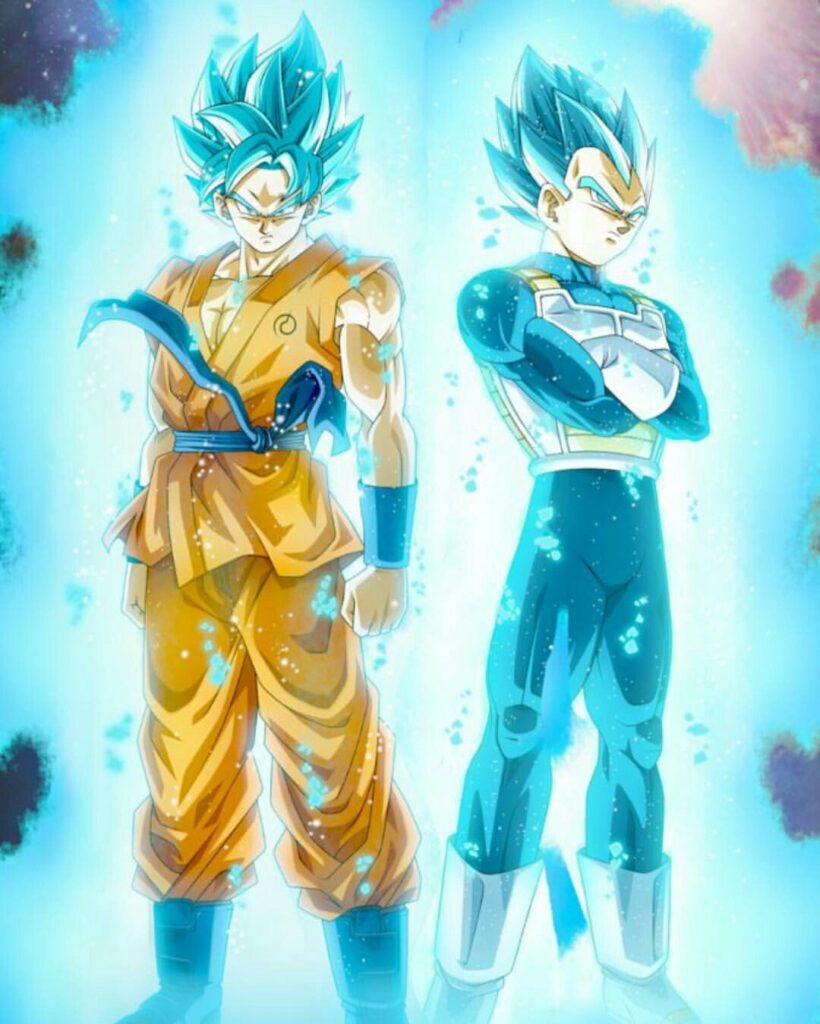
Only a few characters in Dragon Ball can use God Ki. These include gods, angels, and mortals who have reached god-level power through special rituals or intense training.
Mortal fighters who gain God Ki usually do so by training with gods or unlocking divine forms. This makes God Ki rare and difficult to achieve.
How Mortals Obtain God Ki: The Ritual and the Training
The first mortal to touch god ki did it through a ritual, not training. In Dragon Ball Z: Battle of Gods, Shenron revealed that a Super Saiyan God is born when five righteous Saiyans pour their hearts into a sixth. Goku, Vegeta, Gohan, Goten, and Trunks — joined by Videl, whose unborn child Pan counted as the sixth pure heart — performed the ceremony, and Goku ascended. Crucially, the film’s ending shows Goku absorbing that divine power into his own body: even after the red-haired form faded, he kept trading blows with Beerus, because the god ki had become part of him.
The second path is pure training — and this is where Vegeta’s story diverges. Refusing a borrowed ritual, Vegeta traveled to Beerus’s planet and trained under Whis for six months. Whis’s method, shown in Dragon Ball Z: Resurrection ‘F’ (2015), was brutally specific: stop leaking ki. Mortals constantly radiate energy when they power up; Whis drilled Goku and Vegeta to keep every drop of ki sealed inside their bodies while moving and fighting in weighted suits. That lesson became the foundation of Super Saiyan Blue — a Super Saiyan transformation built on god ki, with nothing wasted.
Step by step, their journeys looked like this. Goku: the ritual (Battle of Gods) → Whis’s training → Super Saiyan Blue’s debut against Golden Frieza (Resurrection ‘F’) → Blue combined with Kaioken against Hit in the anime’s Universe 6 arc (episode 39). Vegeta: Whis’s training alone → Blue → his own exclusive Blue Evolution, unleashed against Toppo in the anime’s Tournament of Power (episode 123). The takeaway: the ritual gave Goku a shortcut, but Whis’s training is what made both of them true god-ki users — and Vegeta proved the ritual was never required at all.
Related reading: The History of the Destroyer Gods Explained
God Ki and Super Saiyan God Forms
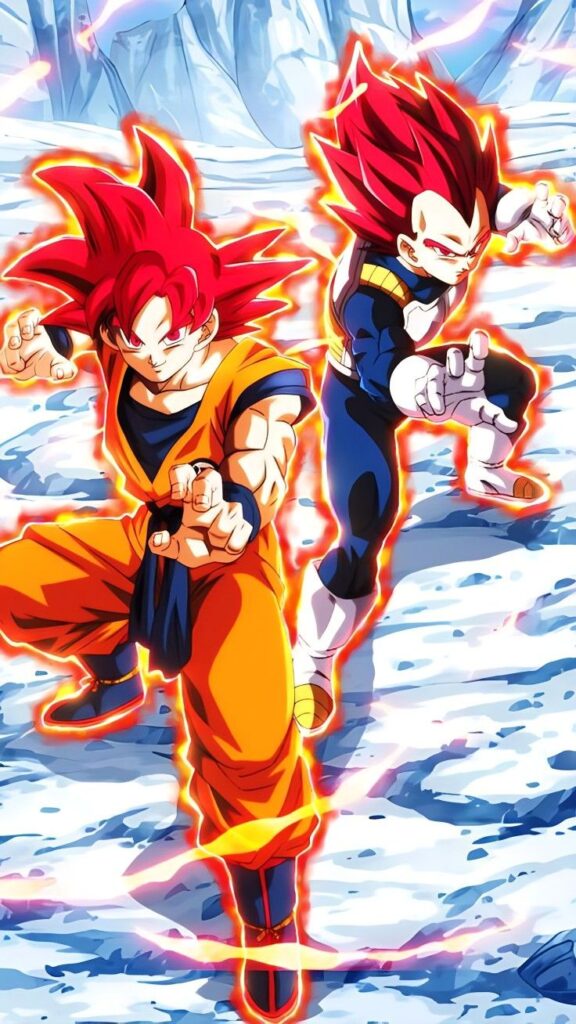
Super Saiyan God and Super Saiyan Blue are transformations that use God Ki. These forms allow Saiyans to access divine energy while maintaining control over their power.
Super Saiyan God focuses more on calmness and balance, while Super Saiyan Blue combines God Ki with traditional Super Saiyan power. Both forms rely heavily on proper ki control.
God Ki Forms and Techniques: Super Saiyan God, Blue, Ultra Instinct, and Ultra Ego
Super Saiyan God debuted in Dragon Ball Z: Battle of Gods (2013) — the slim, red-haired form born from the ritual. It trades bulk for calmness, control, and efficiency, and Goku’s duel with Beerus proved it could rival a God of Destruction. Super Saiyan Blue followed in Dragon Ball Z: Resurrection ‘F’ (2015): the same god ki channeled through a Super Saiyan transformation, turning hair and aura cyan-blue. Blue hits far harder than God, but it was born with a stamina flaw — in the anime’s Future Trunks arc, Goku admitted that repeatedly transforming into Blue drained his stamina fast. Toyotarō’s manga offered the fix: during the battle with Fused Zamasu, Goku sealed Blue’s leaking aura inside his body, perfecting the form’s efficiency.
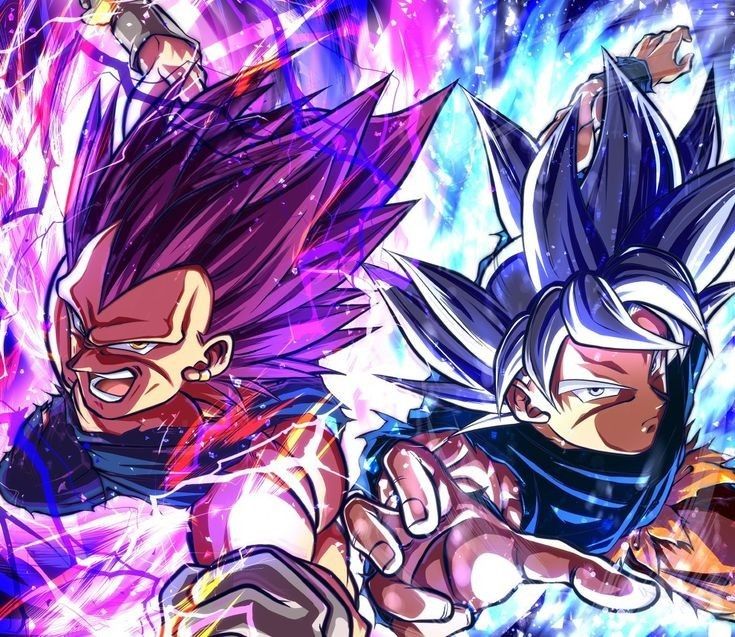
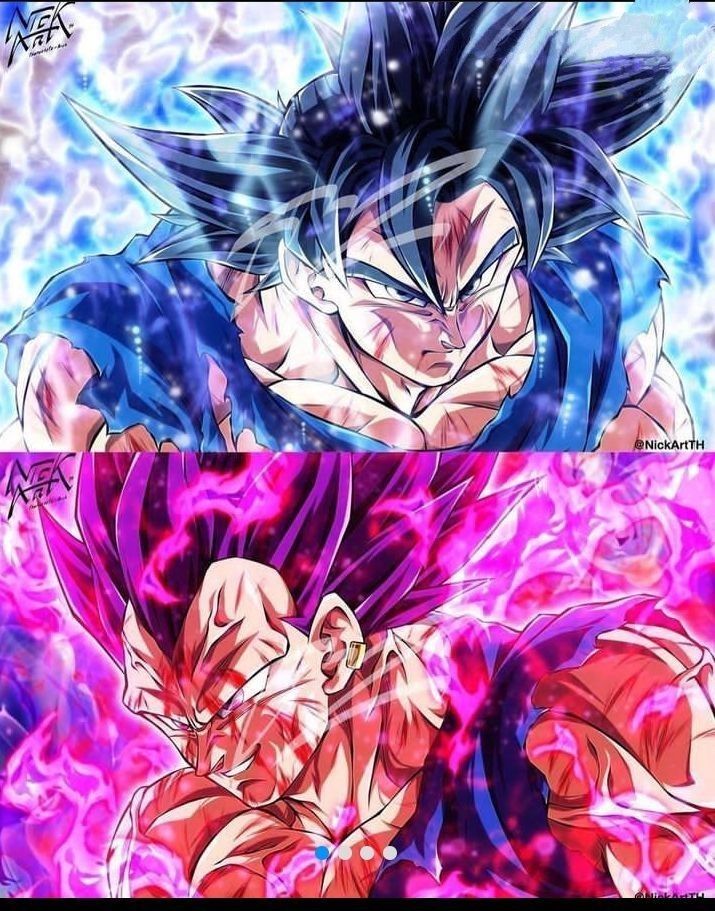
Ultra Instinct and Ultra Ego are god-ki-adjacent, but they are techniques — not transformations in the classic sense. Ultra Instinct is an angelic discipline, Whis’s signature skill that even Beerus has never fully mastered, letting the body react without conscious thought. Goku first triggered its incomplete “Sign” state in the anime’s Tournament of Power (episode 110) and completed the silver-haired form in episode 129; the manga covers the same awakening in chapters 41–42. Ultra Ego is the Destroyers’ answer: Vegeta learned it from Beerus in the manga’s Granolah the Survivor arc (chapter 75), growing stronger with every blow he takes — the philosophical opposite of Ultra Instinct’s stillness. Both run on god ki, yet neither is a “god ki form” like Blue; they are divine disciplines any god-tier fighter can pursue.
A quick canon note, since god ki lore spans versions. The films Battle of Gods and Resurrection ‘F’, the Dragon Ball Super anime arcs, Dragon Ball Super: Broly (2018), Dragon Ball Super: Super Hero (2022), and the Toyotarō–Toriyama manga form the core canon; Ultra Ego has appeared only in the manga so far and has no anime debut yet. Fan projects like Dragon Ball Kakumei, however popular, are not canon and should not be mixed into god ki lore. Where the anime and manga solve a problem differently — like Blue’s stamina flaw — treat them as two tellings of one continuity, not contradictions.
Related reading: Why Ultra Instinct Is Not Goku’s Final Form • Ultra Ego vs Ultra Instinct: Which Power Is Actually Stronger
Why God Ki Is So Powerful
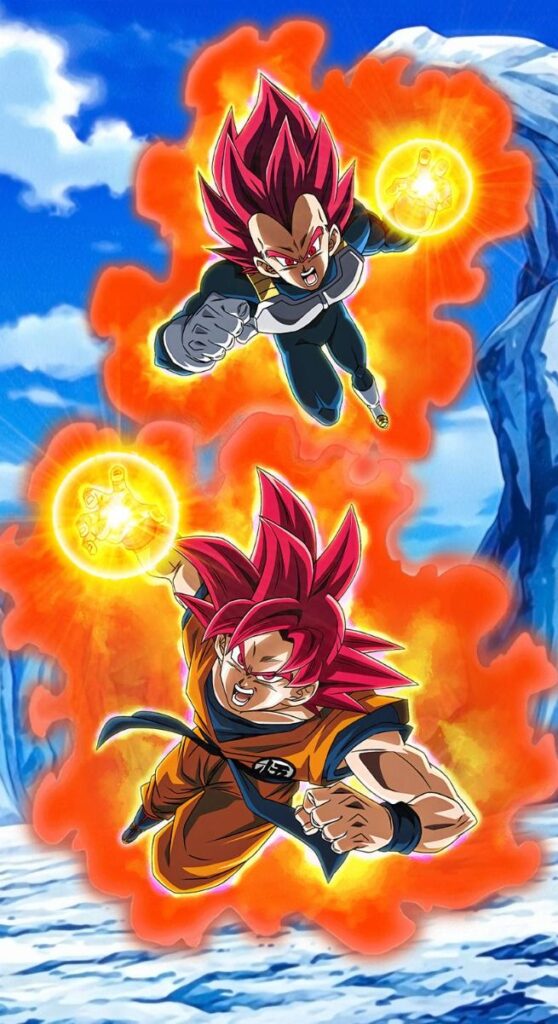
God Ki is powerful because it is efficient. It does not leak energy and allows the user to fight longer without exhaustion.
Another reason God Ki is dangerous is because it puts fighters on a completely different level. Even very strong normal fighters struggle against someone using God Ki because they cannot sense or predict their movements easily.
Can Normal Fighters Defeat God Ki Users
In some cases, yes, but it is very difficult. A normal fighter must have exceptional strength, skill, or special abilities to compete with someone using God Ki.
As Dragon Ball progressed, the gap between normal ki and God Ki users became smaller, but divine energy still offers a major advantage.
Is God Ki Better Than All Other Power Types
God Ki is not automatically better than every other form of power. It is different. Some fighters rely on raw strength, special techniques, or unique abilities rather than divine energy.
However, God Ki usually provides better control, efficiency, and higher potential growth.
Common Misunderstandings About God Ki
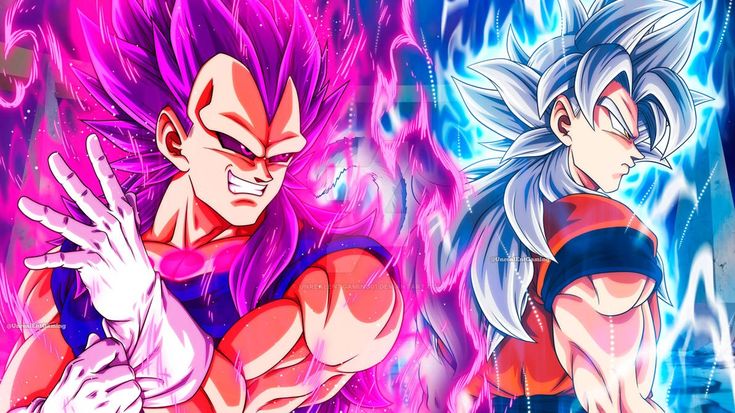
Many fans believe God Ki makes someone unbeatable, but this is not always true. Skill, experience, and strategy still matter.
Another misunderstanding is that God Ki is unlimited. In reality, it still drains stamina and requires proper mastery to use effectively.
What God Ki Does Not Do: Three Myths, Debunked
Myth one: god ki is just “stronger ki.” It is not — it is a different kind of energy entirely. Frieza’s Golden form (Resurrection ‘F’ and the Tournament of Power) and Broly’s raging power (Dragon Ball Super: Broly, 2018) both rivaled Super Saiyan Blue without a drop of god ki. What god ki grants is efficiency and control: sealed, leak-proof energy that sustains god-tier output. Raw battle power can absolutely match it — Jiren, a mortal with no divine training whose strength surpassed his own universe’s God of Destruction, proved exactly that in the Tournament of Power.
Myth two: god ki makes you a god. Goku and Vegeta are the living counterproof — despite wielding divine energy since Battle of Gods (2013), both remain mortals, and the story has never treated them as deities. Only true office-holders — Destroyers like Beerus, the Supreme Kais, the angels — are gods; god ki is the tool of the divine, not the title. Myth three: god ki guarantees victory. Android 17’s barriers stalled both Jiren and Toppo in the Tournament of Power, Hit’s time-skip troubled Blue Goku, and Goku himself has lost fights while using Blue. God ki is one of the biggest advantages in Dragon Ball — but skill, matchups, and strategy still decide battles.
Why God Ki Changed Dragon Ball Forever
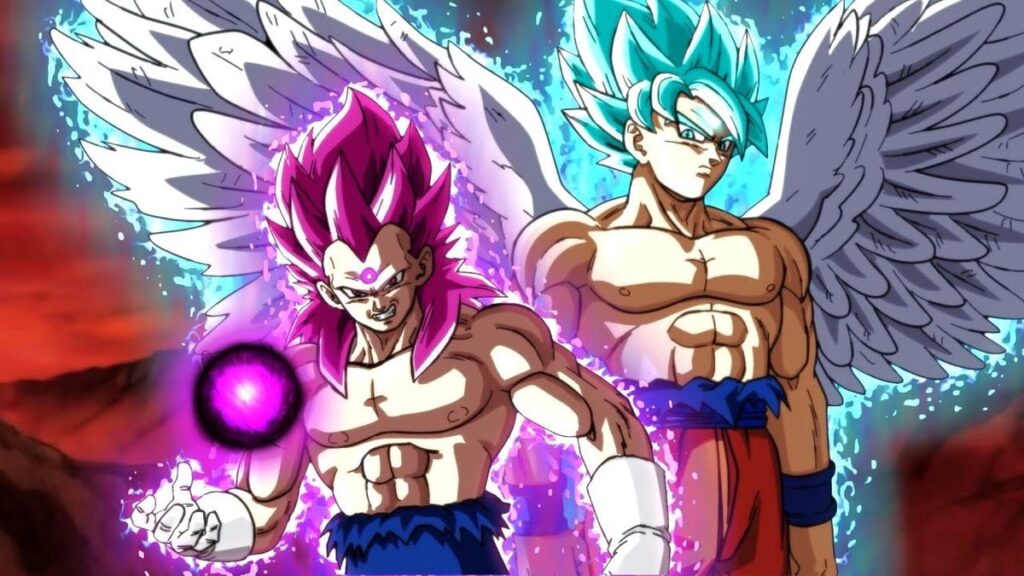
God Ki allowed Dragon Ball to introduce gods, angels, and multiverse-level threats without breaking the story completely. It gave the series a new way to explain massive power jumps while keeping structure.
Without God Ki, modern Dragon Ball battles would not make sense at the scale they now operate.
God Ki FAQ
Q: Can god ki be sensed? A: Not by ordinary mortals. Only gods, angels, and those who possess god ki themselves — or have trained under divine beings — can feel it. That is why Piccolo and the others were blind to Goku’s power in Battle of Gods.
Q: Do all gods use god ki? A: Yes. God ki is the natural energy of the divine hierarchy, from the Supreme Kais and Gods of Destruction up to the angels and the Grand Priest. Mortals wielding it are the exception, not the rule.
Q: Is Ultra Instinct made of god ki? A: Ultra Instinct is an angelic technique that runs on god ki, but it is not itself a “god ki transformation” like Super Saiyan Blue. Think of god ki as the fuel and Ultra Instinct as the engine.
Q: Can humans like Krillin or Tien learn god ki? A: In theory, Whis’s training is open to anyone — but no human has achieved it in canon. The only mortals confirmed to wield god ki are Saiyans (Goku and Vegeta), Toppo (as a God of Destruction candidate in the anime’s Tournament of Power), and Goku Black — who was the god Zamasu in a stolen Saiyan body.
Q: What is Super Saiyan Blue’s biggest weakness? A: Stamina. In the anime, repeatedly entering Blue drains energy fast, which is why Goku rationed it during the Future Trunks arc. The manga’s answer was to seal the leaking aura inside the body, perfecting the form.
Final Thoughts
God Ki is a core concept in modern Dragon Ball. It represents a higher level of energy based on control, discipline, and divine power rather than pure strength.
Understanding God Ki helps fans better understand transformations, god-level characters, and the direction Dragon Ball has taken in recent years.