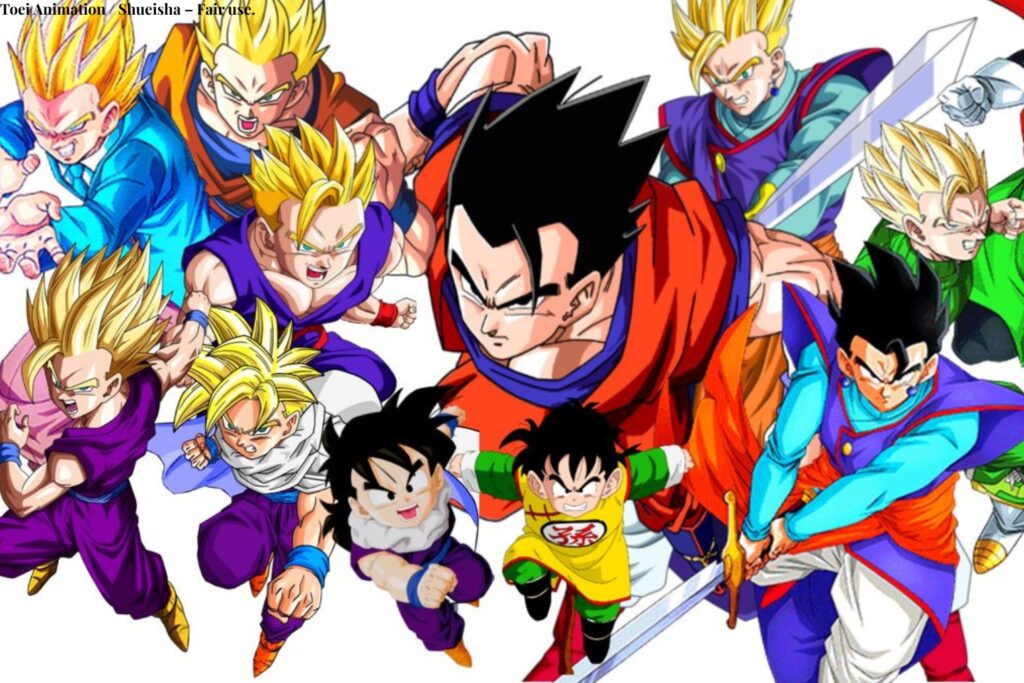
How Old Is Gohan in Dragon Ball Super, Gohan is one of the most complex characters in the Dragon Ball franchise, and his age in Dragon Ball Super plays a much bigger role than most fans realize. Unlike Goku or Vegeta, whose growth is measured almost entirely through power, Gohan’s journey has always been shaped by time, responsibility, and the life he chose outside of battle. Understanding how old Gohan is during Dragon Ball Super helps explain why he behaves differently, why his priorities shift, and why his relationship with fighting feels so conflicted. By the time Super begins, Gohan is no longer the prodigy child or the reluctant teenage warrior fans remember from Dragon Ball Z. He is an adult navigating adulthood in a world that never truly stops being dangerous.

When Dragon Ball Super starts, Gohan is approximately 23–24 years old. This age is calculated based on established Dragon Ball timelines, including his birth during the late years of Dragon Ball Z and the time skips that occur between major arcs. At this stage of his life, Gohan is married to Videl, has a daughter, Pan, and is pursuing a scholarly career. These details matter because they frame Gohan not as a fallen warrior, but as someone who made a conscious choice to step away from constant combat. Unlike other fighters who chase strength for its own sake, Gohan’s age places him at a crossroads between who he was raised to be and who he wants to become. He’s old enough to understand the cost of endless battles, but still young enough to be pulled back into them when the universe demands it.
This context reshapes how fans should view Gohan in Dragon Ball Super. His reduced screen time and fluctuating power levels aren’t signs of neglect—they’re reflections of his life stage. Gohan isn’t failing to live up to his potential; he’s redefining what potential means at this point in his life.
Gohan Age at the Start of Dragon Ball Super and Why It Matters
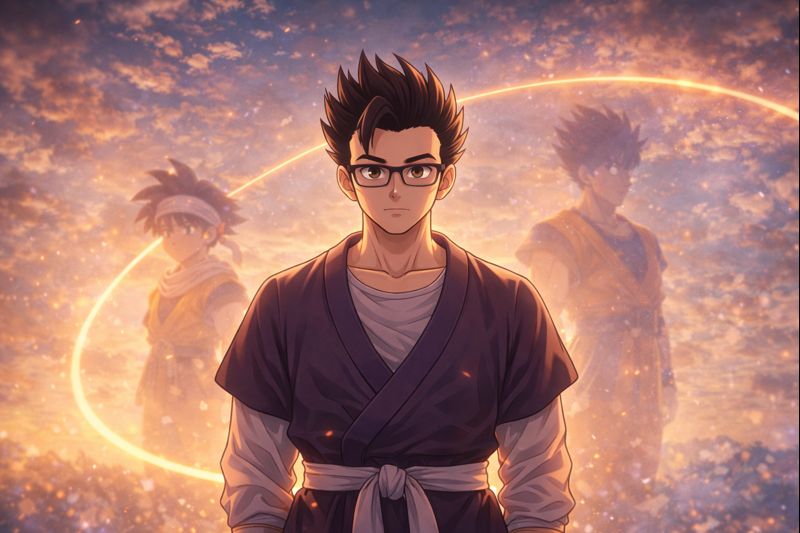
At around 23–24 years old, Gohan enters Dragon Ball Super carrying emotional and psychological weight that few characters share. By this age, he has already saved the world multiple times, witnessed immense loss, and fulfilled expectations placed on him since childhood. This history explains why he doesn’t crave combat the way other Saiyans do. For Gohan, fighting was never a passion—it was a responsibility forced upon him long before he was ready. Reaching adulthood allows him to finally reclaim control over his own identity, even if that choice disappoints fans who expected him to become the next dominant warrior.
Gohan’s age also explains his initial physical decline in Super. As a young adult balancing family life and academic work, his training naturally takes a back seat. This isn’t laziness; it’s realism. Dragon Ball Super presents Gohan as someone who believes peace might finally last. From his perspective, constant training feels unnecessary when threats have been neutralized for years. His age makes that belief reasonable, even if history proves it wrong. This mindset sharply contrasts with Goku and Vegeta, whose identities are inseparable from fighting. They train because they love it. Gohan trains only when he feels he must.
Importantly, this stage of life allows Dragon Ball Super to explore a rare theme: what happens after the child hero grows up. Gohan’s age marks the moment where potential meets consequence. He has the power to be one of the strongest beings in the universe, but power alone no longer defines success for him. Instead, success becomes about balance—protecting his family, contributing intellectually, and stepping up only when absolutely necessary. This layered portrayal makes Gohan’s journey in Super more grounded than many fans initially recognize.
How Gohan Age Evolves Throughout Dragon Ball Super

As Dragon Ball Super progresses, time moves forward, and so does Gohan’s age. By the later arcs of the series, including the Tournament of Power and beyond, Gohan is closer to 26–27 years old. This subtle aging coincides with a noticeable shift in his mindset. Rather than rejecting combat entirely, Gohan begins to reaccept it—but on his own terms. His age plays a crucial role here, as maturity allows him to redefine his relationship with strength. He no longer fights out of fear or obligation, but out of responsibility tempered by choice.
This evolution becomes especially clear during his renewed training with Piccolo. Their relationship, forged during Gohan childhood trauma, takes on new meaning now that Gohan is an adult. Training is no longer about survival—it’s about preparation. Gohan understands that peace is fragile, and his age gives him the wisdom to recognize patterns he once ignored. Instead of chasing transformations blindly, he seeks efficiency, strategy, and control. This approach reflects someone who has lived long enough to understand that raw power isn’t always the answer.
Gohan’s aging also impacts how he leads during team-based conflicts. In the Tournament of Power, he doesn’t position himself as the strongest fighter, but as a tactician and coordinator. This role suits his age and personality perfectly. He’s old enough to command respect, experienced enough to anticipate danger, and mature enough to prioritize teamwork over personal glory. Dragon Ball Super subtly reframes Gohan not as a sidelined prodigy, but as a grown man adapting his strengths to match his life stage.
Gohan in Dragon Ball Super: Super Hero and His Adult Identity
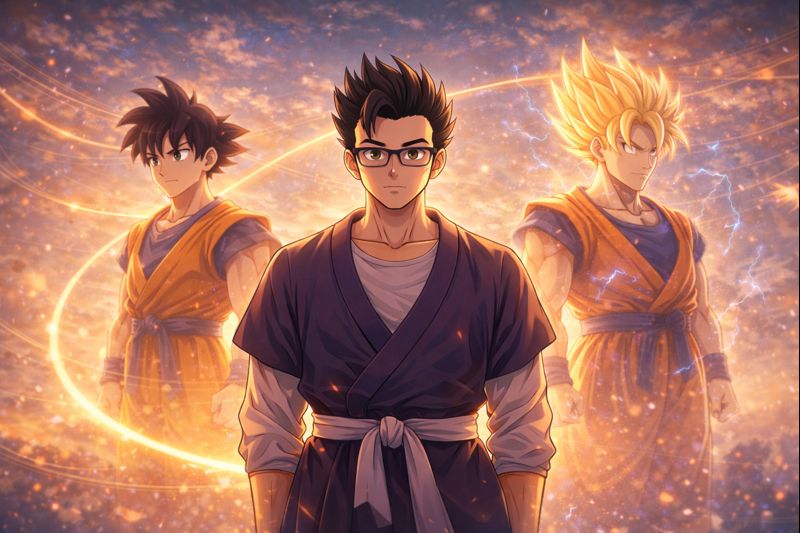
By the time of Dragon Ball Super: Super Hero, Gohan is firmly in his late twenties, and this age is central to the film’s narrative. He’s fully immersed in academic life, juggling professional responsibilities while raising Pan. This portrayal reinforces that Gohan has successfully built the peaceful life he always wanted—but it also exposes the risks of becoming too comfortable. His age represents stability, but stability in Dragon Ball often comes with complacency.
The film uses Gohan’s adulthood to explore the cost of stepping away from combat entirely. When danger reemerges, Gohan isn’t prepared—not because he lacks potential, but because time has passed without consistent training. This creates a powerful contrast between who Gohan was and who he has become. He’s no longer reacting as a frightened child or an overwhelmed teenager. He’s an adult forced to confront the consequences of his choices. That internal conflict gives his eventual resurgence emotional weight that pure power scaling could never achieve.
Gohan age in Super Hero also allows the story to emphasize legacy. He’s no longer just Goku’s son—he’s Pan’s father. This shift reframes his motivation entirely. Protecting the future now means protecting his child, not fulfilling expectations set by others. His strength, when it returns, feels purposeful rather than obligatory. It’s the culmination of years of growth, restraint, and self-discovery.
Why Gohan Age Is the Key to Understanding His Role in Dragon Ball Super
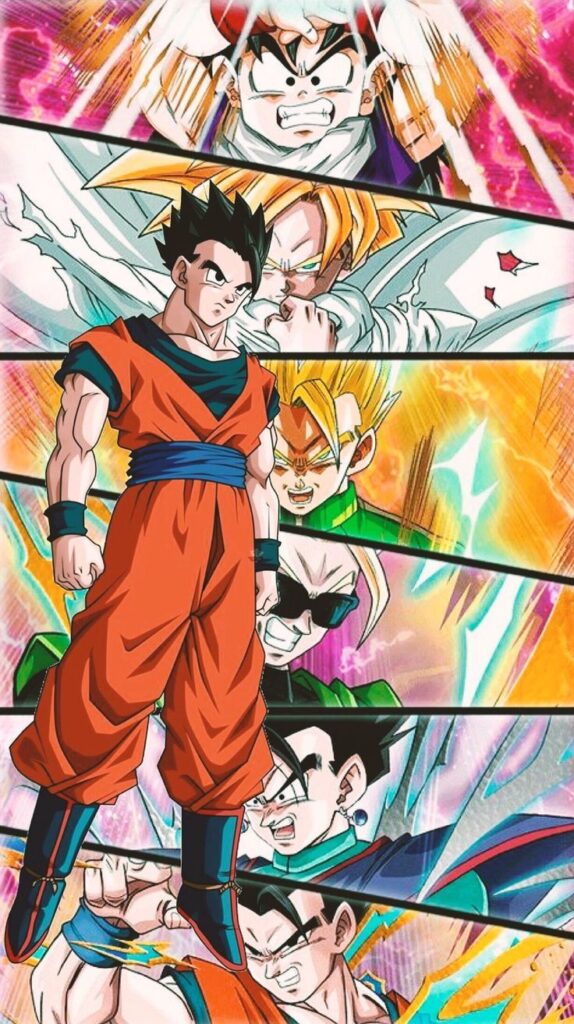
Gohan age in Dragon Ball Super isn’t a trivial detail—it’s the foundation of his entire character arc. From his early twenties to his late twenties, every decision he makes reflects someone navigating adulthood after an extraordinary childhood. His struggles, regressions, and comebacks aren’t narrative inconsistencies; they’re realistic responses to time passing and priorities changing. Gohan doesn’t abandon his potential—he postpones it until it aligns with the life he’s chosen.
By understanding how old Gohan is in Dragon Ball Super, fans can better appreciate why his journey feels different from other Saiyans. He isn’t chasing strength for validation or excitement. He’s balancing power with responsibility, ambition with peace, and legacy with individuality. That balance is something Dragon Ball rarely explores, and Gohan embodies it uniquely.
Ultimately, Gohan’s age explains why his story in Dragon Ball Super resonates so deeply with longtime fans. He grows up—and in doing so, he shows that heroism doesn’t always look the same at every stage of life. Sometimes, growing stronger means knowing when to step back, and when to return only because it truly matters.