
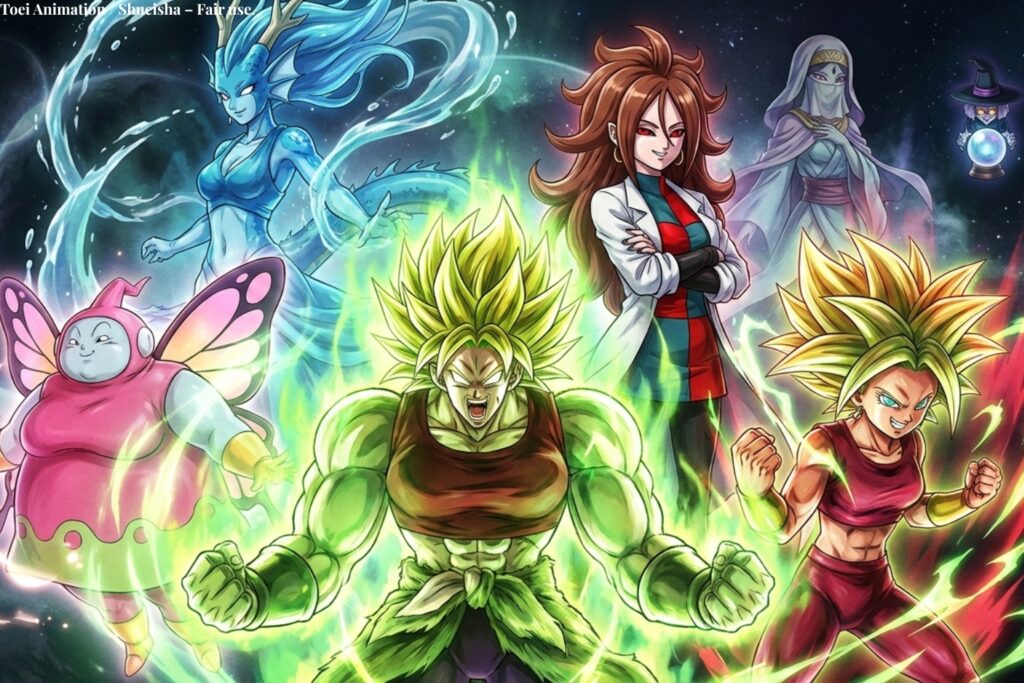
Dragon Ball is often associated with powerful male villains, but across its long history the series has also introduced several female antagonists who played important roles in major conflicts. While they are fewer in number, some female villains have demonstrated impressive strength, dangerous abilities, and lasting impact on the story. From early mystical threats to universe-level fighters, these characters prove that power in Dragon Ball is not limited by gender.
This ranking looks at female villains in Dragon Ball, ordered by overall power at their peak, using canon material, battle feats, transformations, and threat level. The goal is not popularity, but how dangerous each character truly was when fully unleashed.
How This Ranking Is Determined
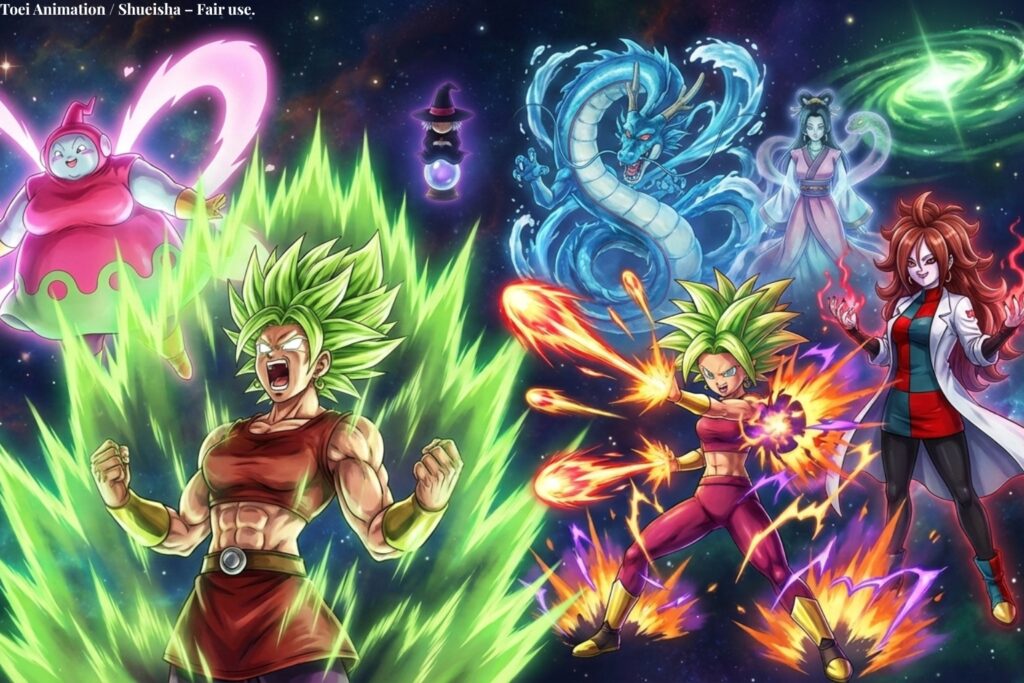
Power in Dragon Ball is not measured by strength alone. This ranking considers how a character performed in serious battles, the level of opponents they challenged, their abilities and transformations, and how much danger they posed to others. Only official anime and manga material is considered, while non-canon appearances are clearly noted when discussed for context.
7. Princess Snake
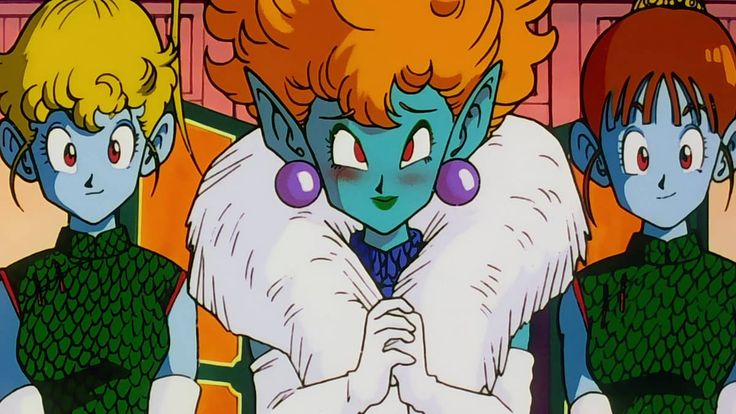
Princess Snake is one of the earliest female antagonists to appear in Dragon Ball, although her threat level was never based on raw combat power. Instead, she relied on illusion, deception, and psychological traps to capture her victims. Her goal was not to fight head-on, but to manipulate and confuse opponents until they were helpless.
Despite her clever abilities, Princess Snake was ultimately exposed and defeated without much difficulty. Compared to later villains who could destroy planets or challenge gods, her power level is extremely low. She earns her place on the list for being an antagonist, but not for physical strength.
6. Fortuneteller Baba

Fortuneteller Baba occupies a unique position among Dragon Ball villains. She is not a fighter in the traditional sense, but her supernatural abilities made her a legitimate obstacle early in the series. Through magic, summoning, and foresight, she controlled dangerous warriors and manipulated events from behind the scenes.
In direct combat, however, Baba is very limited. Her strength comes from influence rather than force. While she posed a challenge through strategy and mysticism, she would be completely overwhelmed by even mid-tier fighters later in the series. Her placement reflects her role as an antagonist rather than her battle power.
5. Oceanus Shenron

Oceanus Shenron, one of the Shadow Dragons, represents a noticeable jump in power compared to earlier female antagonists. She possessed elemental abilities, including wind manipulation and energy attacks, which allowed her to fight on a much higher level than mystical tricksters like Princess Snake or Baba.
Despite this, Oceanus Shenron lacked the durability and raw strength needed to survive prolonged battles against elite fighters. Once her tricks were understood, she was defeated relatively quickly. While dangerous by early Dragon Ball standards, she falls short when compared to the god-tier fighters introduced later.
4. Android 21
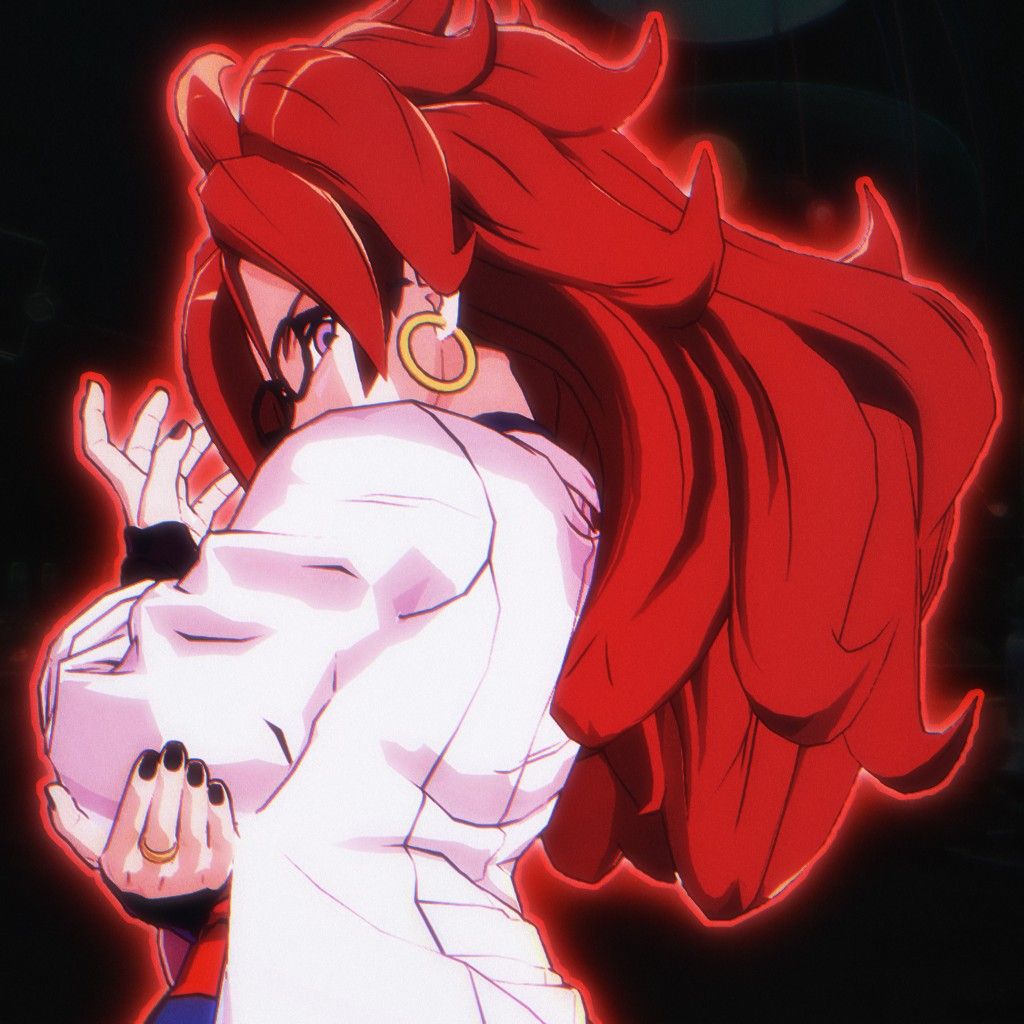
Android 21 stands out as one of the most powerful female villains associated with the Dragon Ball franchise. Her intelligence, regeneration, and adaptability made her an extreme threat capable of overwhelming multiple strong fighters at once. At her peak, she displayed power that rivaled some of the strongest characters in the series.
What makes Android 21 especially dangerous is her ability to grow stronger by absorbing others. While her origins are outside the main manga storyline, her strength is widely recognized by fans. If judged purely by power and abilities, she ranks among the most lethal female antagonists ever introduced.
3. Ribrianne
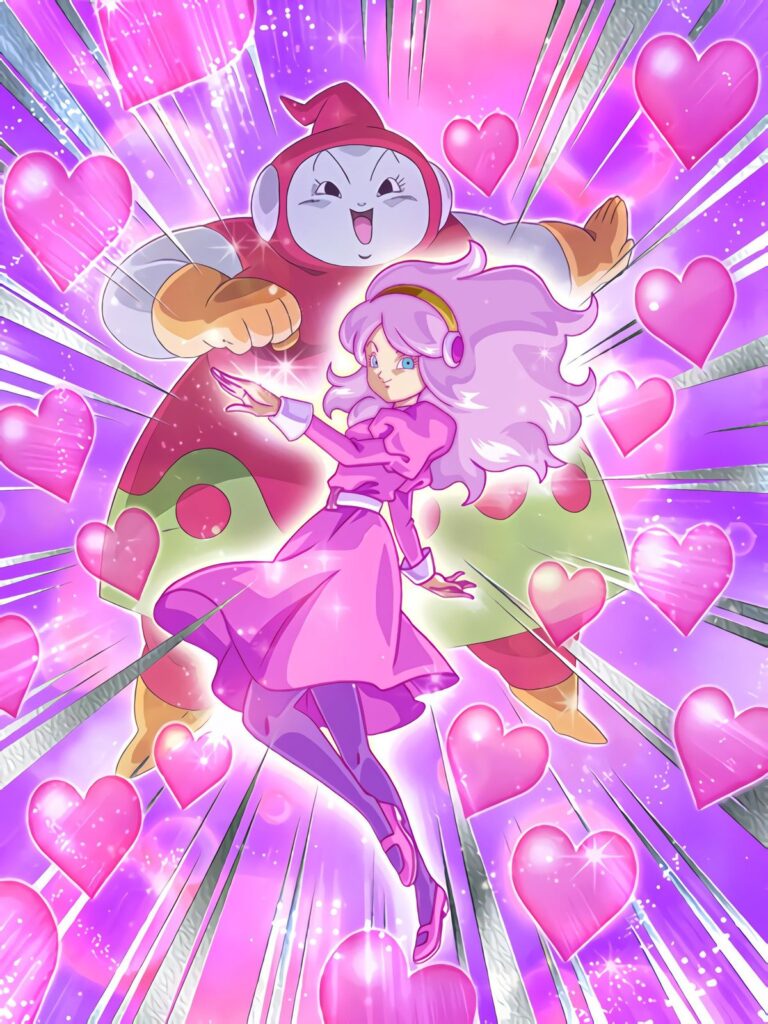
Ribrianne is often underestimated because of her personality and presentation, but her power during the Tournament of Power should not be ignored. Through transformation, she gained a massive increase in strength and durability, allowing her to compete with experienced warriors from other universes.
Although she relied heavily on stamina and teamwork, Ribrianne survived encounters that would have eliminated weaker fighters instantly. While she was not the strongest combatant in the tournament, her ability to endure and fight at a high level places her above most earlier female villains.
2. Kefla
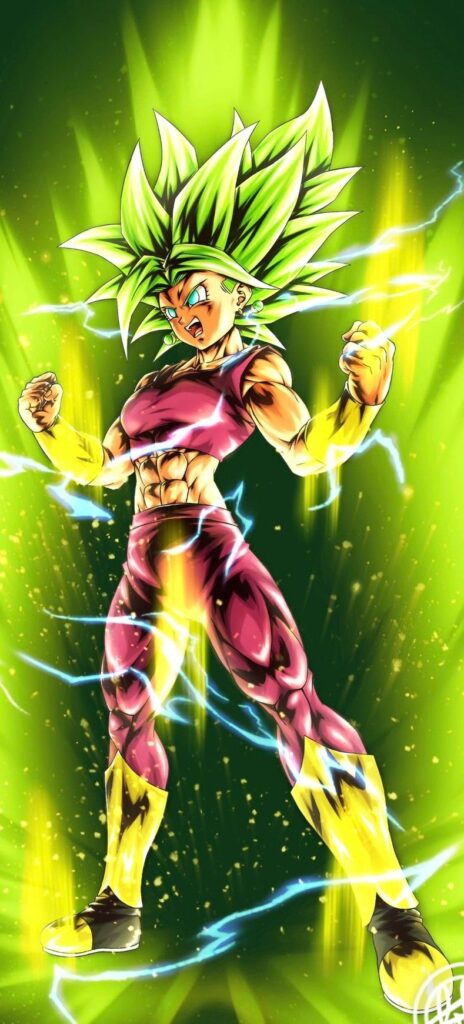
Kefla represents one of the highest peaks of female power in Dragon Ball history. As the fusion of Caulifla and Kale, her strength increased to an extraordinary level, combining speed, aggression, and overwhelming energy output.
During her battle with Goku, Kefla pushed him to rely on Ultra Instinct, something very few characters have managed to do. Her raw power was enough to overpower Super Saiyan Blue and threaten even god-level fighters. At her peak, Kefla was one of the most dangerous mortals in the multiverse.
1. Kale
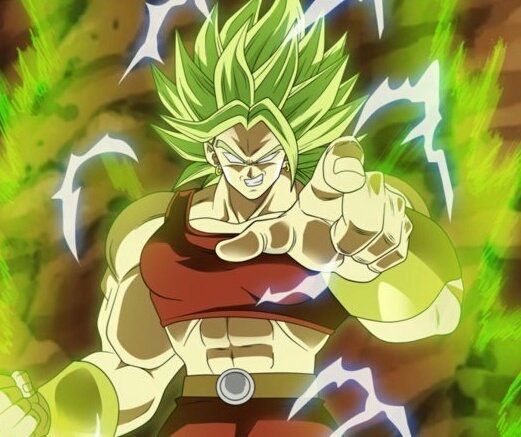
At full power, Kale stands as the strongest female villain in Dragon Ball. Her Legendary Saiyan transformation grants her immense raw strength, near-limitless growth, and extreme durability. When she loses control, her power skyrockets far beyond most fighters.
What places Kale above Kefla is her potential. While Kefla is a temporary fusion, Kale’s power is her own. In her berserk state, she overwhelmed multiple opponents with ease and required coordinated effort to stop her. In terms of sheer destructive force, no other female antagonist matches her at peak strength.
Why Female Villains Are Rare in Dragon Ball

Dragon Ball has traditionally focused on male rivalries and transformations, which has limited the number of female villains. When female antagonists do appear, they often serve specialized roles, such as mystical threats or symbolic opponents, rather than long-term main villains.
However, characters like Kale and Kefla proved that female fighters can reach the highest levels of power. Future arcs may continue expanding this direction.
Final Thoughts
Female villains may be rare in Dragon Ball, but their power ranges from clever manipulators to universe-shaking warriors. Characters like Kale and Kefla demonstrated that female fighters can stand alongside the strongest in the franchise.
As Dragon Ball continues to evolve, the door remains open for even more powerful female antagonists to emerge and redefine the balance of power.
The Problem This Ranking Exposes
Read this ranking as a whole and a pattern becomes hard to miss. To fill seven places, the list has to reach across very different kinds of antagonist: mystical tricksters such as Princess Snake and Fortuneteller Baba, a Shadow Dragon, a Tournament of Power fighter, a fusion, and Android 21, whose origins sit outside the main manga storyline. That spread is not a weakness of the ranking. It is the point. Dragon Ball has historically written its women far more often as supporting heroes, family members, rivals or bystanders than as the villain an entire arc is built around, so any honest ranking of female villains draws from a much smaller pool than a male equivalent would.
The notable names also punch above their screentime. Android 18, in her villain era, remains for many fans the defining female antagonist of her period, yet her time as an active villain was brief before her story moved in a different direction. Ribrianne carried a major tournament role rather than an arc of her own. Towa, meanwhile, belongs to Dragon Ball games material, and games material should always be labelled as exactly that rather than treated as part of the main anime storyline. In each case, a relatively short run left a lasting impression, which suggests the audience for a properly developed female villain has been there for a long time.
The top of this list makes the same argument from the opposite direction. When Kale and Kefla were finally given power on the highest level, and a tournament stage big enough to use it on, they delivered some of the most talked-about fights of their era. The demand was never the problem. The supply was.
Villainy With a Point of View
What separates the memorable names on this ranking from the forgettable ones is not raw strength. It is point of view. The early entries rely on tricks without a belief system behind them: Princess Snake deceives, Baba schemes, and Oceanus Shenron fights with elemental power, but none of them is really arguing for anything. They are obstacles. The stronger entries further up the list are characters as well as threats, and that is why they stay in the memory after their fights end.
Ribrianne is the clearest example. Her devotion to love is not a throwaway gag in her own mind; it is an ideology, played completely straight-faced, and she judges opponents, motivates her teammates and justifies her fighting through it. Readers may find the presentation comic, but inside the story she believes every word, and that conviction gives her scenes a shape that a simple power level never could. Android 21 works in a darker register: intelligence, regeneration and the ability to grow stronger by absorbing others combine into a predator’s logic, where other fighters are resources. Even Android 18’s villain-era reputation rests partly on manner rather than feats, on cold professionalism, doing a job efficiently without speeches or cruelty for show.
That shift is the real Super-era change this ranking documents. The later characters are increasingly written with ideologies, loyalties and inner reasons, from Ribrianne’s love doctrine to the fierce confidence of Kefla and the emotion driving Kale. Power decides who wins the fight. Point of view decides who fans still discuss years later.
| Villain | Era | What made her dangerous |
|---|---|---|
| Princess Snake | Early Dragon Ball | Illusion, deception and psychological traps rather than direct combat power |
| Fortuneteller Baba | Early Dragon Ball | Magic, summoning and foresight, controlling dangerous warriors from behind the scenes |
| Oceanus Shenron | Shadow Dragon era | Elemental wind manipulation and energy attacks at a level above the early tricksters |
| Android 21 | Outside the main manga storyline | Intelligence, regeneration and adaptability, growing stronger by absorbing others |
| Ribrianne | Tournament of Power | Transformation, durability, stamina and teamwork against experienced rival universes |
| Kefla | Tournament of Power | Fusion power that overpowered Super Saiyan Blue and pushed Goku toward Ultra Instinct |
| Kale | Dragon Ball Super era | Legendary Saiyan transformation, immense raw strength and extreme durability at her peak |
Who Should Join This List Next
This final section is fan discussion, not news and not a rumour. Nothing here has been announced, and no name in this section should be read as a prediction about any future storyline. It is simply a look at the space this ranking leaves open, and at what a future character would need in order to fill it properly.
The biggest unused card in the franchise is a female main-arc villain: not a tournament opponent, not a one-episode trickster, and not a supporting threat serving a larger male villain, but the central antagonist whose decisions drive a whole storyline. The tournament format, for all its strengths, could only give Ribrianne, Kale and Kefla limited room, because a tournament shares its focus among dozens of fighters. A main-arc villain gets the opposite treatment. The heroes react to her plans, her defeats and victories reshape the story, and the audience learns what she believes and why she believes it.
That is what it would take: an arc written around her from the beginning, with an ideology as clear as Ribrianne’s, a presence as imposing as the top names on this list, and enough screentime for both to develop. Until that happens, this ranking will keep telling the same double story, celebrating how far its seven names reached while quietly showing how much room is still left above them.



Pingback: Fasha vs Female Saiyans: Who Was the Strongest Warrior?